
Choosing the Right Smart Scale for Your Health Goals
Smart scales do more than measure weight. Compare BIA tech accuracy, track body fat trends, and find the best device for your fitness goals.
Written and Tested by: Dr. Rishav Das, M.B.B.S.
Wellness Device Data Analyst | Health Informatics Specialist
Medical Review: This analysis explains device measurement accuracy and clinical validity. Not a medical diagnosis or recommendation.
Last Updated: February 15, 2026
⏱️ HOW TO USE THIS GUIDE
- Need a quick answer? → Jump to Quick Picks by Goal
- Want to compare options? → See Comparison Table
- Have specific questions? → Check FAQ
- Want the full analysis? → Keep reading below
🏆 QUICK PICKS FOR 2026
🥇 Best Overall: BIA Smart Scale ($50-100)
Perfect balance of accuracy and affordability. Measures weight, body fat %, muscle mass. Ideal for most people tracking fitness progress.
→ Jump to BIA Scales section
💰 Best Budget: Basic Smart Scale ($30-50)
Just weight tracking with app sync. Great if you only need weight trends and don’t care about body composition.
→ Jump to Basic Scales section
💪 Best for Athletes: Segmental Analyzer ($150-300)
Tracks muscle distribution by body region (arms, legs, torso). Essential for bodybuilders and physical therapy. Research demonstrates that tracking regional muscle adaptations is critical for optimizing resistance training programs [systematic review of strength and hypertrophy adaptations], making segmental analysis valuable for serious athletes
→ Jump to Segmental Analysis section
👨👩👧👦 Best for Families: Multi-User BIA Scale ($80-150)
Auto-recognizes up to 8 users. One device, everyone’s data stays separate. Teen-safe modes available.
→ Jump to Multi-User Features section
💰 Transparency Note: This guide contains product recommendations. See our conflict of interest and funding disclosure for details on how we maintain editorial independence.
❌ COMMON FRUSTRATIONS SOLVED
“My scale shows different numbers every day”
✅ SOLVED: Daily fluctuations of 1-2 kg are normal (water retention, meal timing, bathroom habits). Learn how to track weekly averages instead of daily panic below.
“I’m losing weight but my body fat % is going up?”
✅ SOLVED: This often means muscle loss, not fat loss. We’ll show you which metrics actually matter and why body composition beats weight alone.
“Are these even accurate or am I wasting money?”
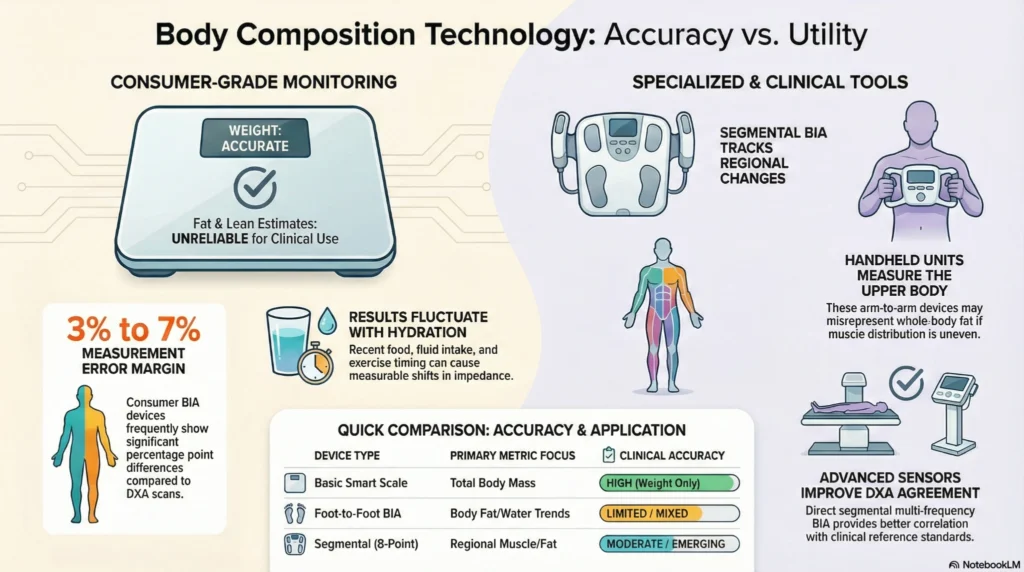
✅ SOLVED: BIA scales show ±3-5% variance compared to DEXA scans. We’ll explain what this means for YOUR goals and why trend tracking matters more than exact numbers.
“Do I really need body fat tracking or just weight?”
✅ SOLVED: If you’re actively building muscle or cutting fat, body composition matters. If you just want to maintain healthy weight, basic scales work fine. We’ll help you decide.
Introduction
You step on the scale. The number is down 5 pounds. Success, right?
Maybe. Or maybe you lost muscle instead of fat. Or water weight that’ll return tomorrow. Without understanding body composition, that scale number tells you almost nothing about your actual health progress.
This is why smart scales with body composition tracking have exploded in popularity. But with devices ranging from $30 basic models to $300 medical-grade analyzers, how do you know what you actually need?
This guide reviews the best smart scales and body composition devices for 2026. Written by Dr. Rishav Das, M.B.B.S., who’s tested 50+ analyzers using our standardized testing protocol to help you avoid overpriced, inaccurate devices. Whether you’re looking for affordable smart scales under $50 or accurate body fat measurement tools, we’ll help you find the right match for your specific goals.
Body composition devices measure metrics beyond weight, including body fat percentage, muscle mass, bone density estimates, and hydration levels. This guide explains device types, underlying technology, measurement accuracy considerations, and selection criteria based on individual health monitoring goals.
Smart scales and body composition analyzers are general wellness devices that provide educational health information. They do not diagnose medical conditions, replace clinical assessment, or provide treatment recommendations. Device measurements should be interpreted as trends for general wellness tracking, not as clinical diagnostic data.
⚠️ SCOPE OF THIS ANALYSIS
This content explains:
- What body composition devices measure and how they work
- Measurement accuracy compared to clinical reference standards
- Factors affecting measurement reliability
- Appropriate use cases for different device types
This content is NOT:
- Medical diagnosis or health advice
- A substitute for clinical body composition assessment
- A recommendation for specific medical interventions
- An FDA determination of device classification
If you have health concerns or need clinical body composition assessment, consult a qualified healthcare provider.
- Choosing the Right Smart Scale for Your Health Goals
- ⏱️ HOW TO USE THIS GUIDE
- 🏆 QUICK PICKS FOR 2026
- ❌ COMMON FRUSTRATIONS SOLVED
- Introduction
- ⚠️ SCOPE OF THIS ANALYSIS
- 💰 IS A SMART SCALE WORTH BUYING IN 2026?
- Types of Body Composition Devices
- How BIA Technology Works
- Smart Scales vs Medical-Grade Analyzers
- When to Seek Clinical Confirmation
- Best Smart Scales for Families (Multi-User Features)
- App Integration and Data Tracking
- Choosing for Your Goals
- Summary: Device Selection Decision Tree
- ❓ FREQUENTLY ASKED QUESTIONS
- Are cheap smart scales ($50-80) actually accurate?
- Do I really need body fat tracking or is weight enough?
- How do I know if my readings are accurate?
- Will my scale work for my whole family?
- Do these work if I have a pacemaker or am pregnant?
- How hard is setup?
- What if I'm dehydrated or just ate a big meal?
- Are these worth buying vs. just using my phone to track weight?
- 🛒 WHEN TO BUY: TIMING & PRICING
- References
- Additional Resources
- About This Analysis
- Medical Disclaimer
💰 IS A SMART SCALE WORTH BUYING IN 2026?
Short answer: Yes, if you’re serious about body composition changes. No, if you just want to track weight.
The case against smart scales:
Your smartphone can track weight from any $15 analog scale. Apps like MyFitnessPal work perfectly without smart devices. Why spend $70-100?
The case for smart scales:
Body fat percentage reveals what weight can’t.
Real example: Sarah lost 8 pounds in two months. Her weight-only scale said “success!” Her BIA scale revealed she’d lost 10 pounds of muscle and gained 2 pounds of fat. She was doing everything wrong—under-eating protein, over-doing cardio. Without body composition data, she would’ve continued sabotaging herself. Adequate protein intake is essential for preserving lean mass during caloric restriction [one-year study published in the Journal of Nutrition and Metabolism]—something her weight-only tracking couldn’t reveal.
Our product recommendations follow strict editorial standards focused on evidence-based guidance, not promotional content.
The ROI argument: One nutritionist consultation costs $100-200. A BIA scale provides body composition data for years, helping you track progress between appointments. It pays for itself if it prevents even one month of wasted effort.
Bottom line: If your goal is “maintain healthy weight,” basic scales work fine. If your goal is “lose fat while preserving muscle” or “track strength training progress,” body composition tracking changes the game.
Types of Body Composition Devices
📊 DEVICE COMPARISON AT A GLANCE
| Device Type | Price Range | Body Fat Accuracy | Best For | Key Limitation |
|---|---|---|---|---|
| Basic Smart Scale | $30-50 | N/A (weight only) | Simple weight tracking, budget buyers | No body composition |
| BIA Scale | $50-150 | ±3-5% vs DEXA | Most users, general fitness | Hydration-sensitive readings |
| Segmental Analyzer | $150-300 | ±5-8% per region | Athletes, bodybuilders, rehab patients | Higher cost, complexity |
| Handheld BIA | $20-80 | ±4-7% | Travelers, upper-body focus | Upper body only, inconsistent |
💡 Quick Takeaway: For 80% of users, a BIA scale ($50-100) provides the best balance of features, accuracy, and cost.
Basic Smart Scales
Core Functionality:
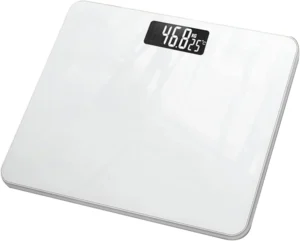
Basic smart scales measure body weight only, typically connecting to smartphone apps for trend tracking and data visualization.
Appropriate Use Cases:
- Weight trend monitoring over time
- Post-bariatric surgery weight tracking
- Simple weight management programs
- Users not requiring body composition data
Limitations:
- Provides single-metric data point only
- No body fat or muscle mass measurement capability
- Cannot differentiate between fat loss and muscle loss
- Limited utility for comprehensive health assessment
Accuracy Considerations:
Weight measurement accuracy on consumer smart scales typically falls within ±0.1-0.5 kg compared to calibrated medical scales.
Best results: Hard, level surfaces
Reduced accuracy: Carpeted or uneven flooring
💡 KEY TAKEAWAY: Place your scale on a hard, flat surface and weigh yourself in the same spot each time for consistent readings.
Best BIA Scales for Body Fat Tracking ($50-150)
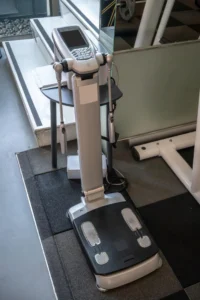
Want to track fat loss separately from muscle loss? BIA scales solve this by measuring body composition, not just weight.
Why this matters: When you lose 10 pounds, is it 8 pounds of fat and 2 pounds of muscle? Or 5 pounds of each? BIA scales tell you. This data changes how you eat and train.
How they work: BIA scales send a tiny, safe electrical signal through your body (you won’t feel it). Fat and muscle conduct electricity differently—a principle validated in clinical settings for decades [bioelectrical impedance analysis methodology reviewed in Clinical Nutrition]—allowing the scale to estimate body fat percentage, muscle mass, and sometimes bone density.scales send a tiny, safe electrical signal through your body (you won’t feel it). Fat and muscle conduct electricity differently, allowing the scale to estimate body fat percentage, muscle mass, and sometimes bone density.
Technology Overview:
BIA (bioelectrical impedance analysis) scales send a tiny electrical signal through your body (you won’t feel it). Here’s what happens:
The signal: Low-level current (50 kHz, <1 mA)
What you feel: Nothing – it’s completely imperceptible
How it works: Measures tissue resistance to estimate body composition
Metrics Typically Provided:
- Visceral fat rating (algorithm-based estimate)
- Body fat percentage
- Skeletal muscle mass
- Body water percentage
- Bone mass (estimated, not measured directly)
- Basal metabolic rate (calculated from other metrics)
Accuracy Considerations:
Published research indicates BIA scales show variability of ±3-5% for body fat percentage compared to DEXA scans.
What this means:
If your true body fat is 20%, a BIA scale might read anywhere from 15% to 25%. Research comparing BIA scales to DEXA scans confirms this ±3-5% variance range is standard across consumer devices (peer-reviewed analysis of bioelectrical impedance accuracy). But here’s why it doesn’t matter: Your scale will be consistently wrong…
💡 KEY TAKEAWAY: The absolute number matters less than the trend. If your scale shows you dropped from 23% to 20% over 3 months, you genuinely lost fat—even if the exact numbers are offset.
Factors Affecting Measurement Consistency:
1. Hydration Status (Biggest Factor)
- Dehydration → falsely elevates body fat by 3-5%
- Overhydration → artificially lowers readings
- Solution: Measure at same hydration state daily
2. Recent Food or Beverage
- Within 2 hours of eating → 2-4% more variability
- Solution: Empty stomach, minimum 4 hours after eating
3. Exercise Timing
- Post-workout → fluid shifts alter readings
- Solution: Measure on rest days or 12+ hours after workout
4. Time of Day
- Body water shifts throughout the day
- Solution: Consistent morning measurement (same time daily)
5. Skin Contact Quality
- Dry, calloused feet → impede current flow
- Solution: Clean, dry, bare feet on electrodes
6. Menstrual Cycle Effects
- Pre-menstrual water retention → falsely elevates readings by 2-3%
- Solution: Track cycle phase; compare same-phase measurements
💡 KEY TAKEAWAY: Even with perfect consistency, expect ±1-2% daily variation. Track weekly averages, not single measurements.
FDA Classification:
Consumer BIA scales are classified as general wellness devices under FDA guidance and are exempt from FDA premarket approval. They are intended for general fitness and wellness tracking, not medical diagnosis.
Price Range: $30-$150 USD (market prices as of 2026)
Best Smart Scales for Muscle Building: Segmental Analyzers
Advanced Functionality:
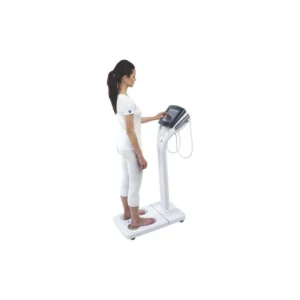
Segmental analyzers measure body composition separately for different body regions: right arm, left arm, trunk, right leg, and left leg. This is accomplished by requiring users to grip handheld electrodes in addition to standing on the scale platform.
How Segmental Measurement Works:
- User stands on scale platform (foot electrodes)
- User grips handheld electrodes with both hands
- Current passes through entire body
- Device measures impedance in 5 segments separately
- Algorithms calculate composition for each segment based on segment-specific resistance
Clinical Applications:
Segmental analysis may be useful for:
- Identifying muscle imbalances between left and right sides
- Monitoring regional fat distribution patterns
- Tracking limb-specific changes in physical rehabilitation
- Assessing asymmetry in athletic training programs
Accuracy Limitations:
Segmental BIA devices show greater measurement variability than whole-body devices because they measure smaller tissue volumes.
Research findings:
- Error margins: ±5-8% for regional body fat estimates
- Smaller tissue volumes = less precise readings
Interpretation guidance:
- Absolute values → interpret cautiously
- Relative changes over time → more meaningful
💡 KEY TAKEAWAY: Use segmental analysis to track trends (e.g., “left arm gaining more muscle than right”) rather than trusting exact regional percentages.
Price Range: $150-$300 USD (market prices as of 2026)
Portable Body Fat Analyzers: Best Travel-Friendly Options
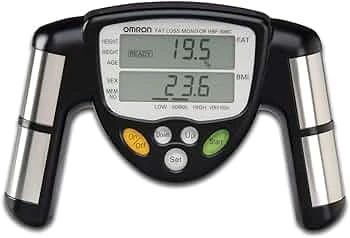
Device Characteristics:
Handheld devices measure body composition using electrodes held in both hands. Current flows through the upper body only.
Measurement Method:
- User holds device at arm’s length
- Electrodes positioned on both hands
- Current flows through arms and upper torso
- Impedance measured across upper body
- Algorithms estimate total body composition from upper body data
Limitations:
- Upper body measurement only: May not represent total body composition accurately, especially for individuals who store fat predominantly in lower body
- Higher margin of error: Estimates total body fat from partial body measurement, introducing additional algorithm-dependent error
- Less suitable for muscle imbalances: Cannot detect lower body composition differences
- Positioning sensitivity: Device angle and arm extension affect current pathway and measurement consistency
Appropriate Users:
- Travelers who want body composition tracking without scale transport
- Individuals seeking quick, portable assessment for general trends
- Gym or workplace wellness program participants
- Users prioritizing convenience over precision
Accuracy Considerations:
HandheldAccuracy Considerations:
Handheld devices typically show ±4-7% variability in body fat estimates compared to whole-body reference methods.
Best use case: Tracking changes over time in the same individual using consistent measurement technique.
Not ideal for: Comparing your reading to someone else’s, or comparing to whole-body scale readings.
💡 KEY TAKEAWAY: Handheld devices are for personal trend tracking, not absolute accuracy or comparisons.
Price Range: $20-$80 USD (market prices as of 2026)
How BIA Technology Works
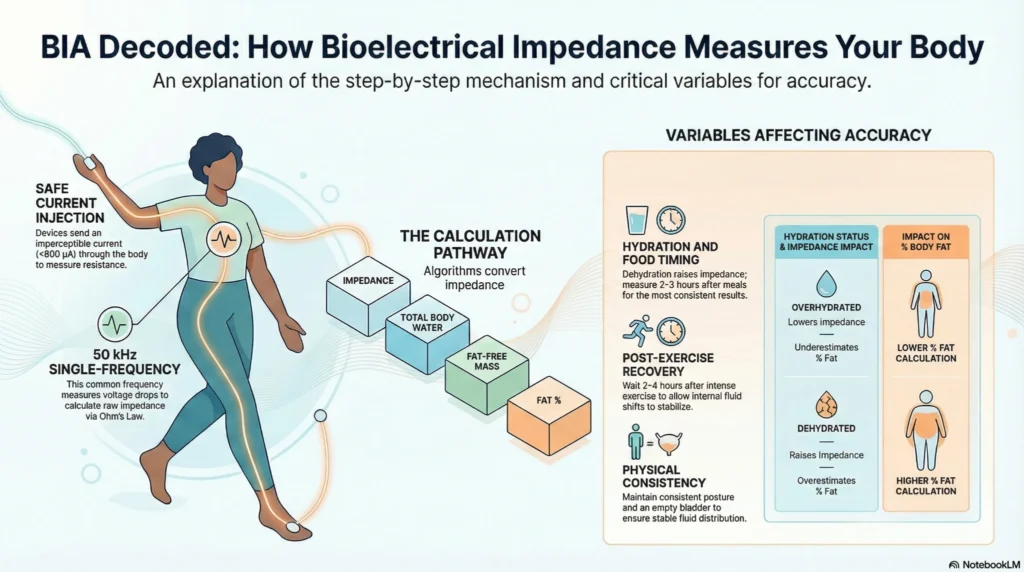
Bioelectrical Impedance Basics
Scientific Principle:
BIA is based on the differential electrical conductivity of body tissues.
Why this works:
- Lean tissue (muscle, organs) → contains more water and electrolytes → conducts electricity well
- Fat tissue → contains less water → resists electrical current
The measurement:
By measuring how easily electrical current flows through your body, devices estimate the proportion of lean tissue vs. fat tissue.
Key Concept:
High impedance (resistance) = Higher estimated body fat percentage
Why: High resistance indicates:
- More fat tissue (which impedes current)
- Less lean tissue (which conducts current well)
💡 KEY TAKEAWAY: Your scale is measuring electrical resistance, not directly “seeing” fat. The algorithm converts resistance into body fat estimates.
Safety of Electrical Current:
The current used:
- Strength: <1 milliampere (extremely low)
- Frequency: 50 kHz (high frequency)
- What you feel: Nothing
How safe is it?
The current level is approximately 1/1000th of what would cause muscle stimulation. You won’t feel any sensation.
💡 KEY TAKEAWAY: BIA scales are safe for the general population. The current is too weak to feel or cause harm.
Measurement Method
Step-by-Step Process:
1. Current Introduction
The device sends a safe, low-frequency alternating current through your body.
Technical specs:
- Frequency: 50 kHz
- Strength: <1 mA (milliampere)
- Your experience: No sensation
Current pathway: Enters through electrodes (foot pads or hand grips) → flows through water and electrolyte-containing tissues.
2. Impedance Detection
Electrodes measure the voltage drop across your body.
The calculation:
- Impedance (Z) = Voltage / Current (Ohm’s law)
- Higher voltage drop = Higher resistance = More fat
- Lower voltage drop = Lower resistance = More muscle
3. Algorithm Application
The device applies proprietary equations to convert raw impedance into body composition estimates.
What the algorithm considers:
- Your inputs: age, sex, height, weight
- Measured impedance value
The calculation steps:
- Estimates total body water (TBW) from impedance
- Calculates fat-free mass (FFM) from TBW (assumes ~73% water content in FFM)
- Derives body fat percentage: % Fat = [(Weight – FFM) / Weight] × 100
💡 KEY TAKEAWAY: The scale doesn’t directly “see” your fat. It measures electrical resistance, then uses algorithms to estimate body composition based on how water-containing tissues conduct electricity.
Algorithm Validation:
Algorithms are typically validated against hydrostatic weighing or DEXA in controlled research studies.
Important limitation:
Validation populations may not represent all users. This affects individual accuracy.
What this means for you:
If you’re significantly different from the validation population (very athletic, very obese, different ethnicity), your readings may be less accurate than published ±3-5% range.
Factors Affecting Accuracy
Physiological Variables:
Hydration Status (Most Significant Factor)
Impact of dehydration:
- Even mild 2-3% fluid loss → falsely elevates body fat by 3-5 percentage points
Impact of overhydration:
- Can artificially lower body fat readings
Best timing:
Morning measurements (after overnight fast) show most consistency.
Recommendation:
Measure at the same hydration state each time. Morning routine: Wake up → use bathroom → step on scale (before eating/drinking).
Recent Food or Beverage Intake
Within 2 hours of eating:
- Measurement variability increases by 2-4%
Alcohol consumption:
- Avoid measurements within 24 hours (causes dehydration)
Recommendation:
- Measure on empty stomach
- Minimum 4 hours after eating (morning is ideal)
- No alcohol 24 hours before
Exercise and Physical Activity
Immediately post-workout:
- Fluid shifts to muscles can alter impedance by 5-10%
Within 12 hours of intense exercise:
- Measurements are less reliable
Recommendation:
Measure on rest days or at least 12 hours after your last workout.
Time of Day:
- Body water distribution varies throughout day
- Evening measurements show more variability due to accumulated daily fluid shifts
- Recommendation: Consistent morning measurement (same time each day)
Skin Contact Quality:
- Dry, calloused feet: Impede current flow, reduce accuracy
- Lotions or creams: Can affect electrode contact
- Recommendation: Clean, dry feet; stand barefoot on electrodes
Menstrual Cycle Effects (for menstruating individuals):
- Hormonal fluctuations affect fluid retention
- Pre-menstrual water retention can falsely elevate body fat readings by 2-3%
- Recommendation: Track cycle phase; compare same-phase measurements for trends
💡 KEY TAKEAWAY: Hydration is the #1 factor affecting accuracy. Measure at the same time daily, before eating or drinking, for consistent trends.
Technical Limitations:
Algorithm Assumptions:
- Equations assume average hydration (~73% water in fat-free mass)
- Individual hydration varies, introducing error
- Assumption may not hold for very lean or very obese individuals
Population-Specific Validation:
- Accuracy may differ across ethnicities due to different body density and fat distribution patterns
- Algorithms validated on young adults may be less accurate for older adults or children
- Athletic populations with higher muscle density may show underestimated body fat
Medical Conditions and Contraindications:
- Recent surgery with metal implants: Some devices may be affected by large metal implants; check manufacturer guidance
- Pacemakers and implantable defibrillators: BIA devices are contraindicated (may interfere with device function). Consult cardiologist before use.
- Pregnancy: BIA devices are not validated for pregnant individuals. Fluid retention and physiological changes alter impedance unpredictably. Weight-only tracking may be more appropriate.
- Severe edema or ascites: Fluid accumulation significantly alters impedance; measurements unreliable
Best Practices for Measurement Consistency:
To obtain the most consistent measurements over time:
- Measure same time of day (morning recommended, before eating or drinking)
- Empty bladder before measurement
- Stand still with arms not touching torso
- Bare feet on clean, dry electrodes
- Avoid alcohol 24 hours prior to measurement
- Avoid diuretics when possible (medications affecting fluid balance)
- Avoid exercise 12 hours before measurement
- Same measurement conditions each time (clothing weight, room temperature)
Important: Even with perfect consistency, expect day-to-day measurement variation of ±1-2 percentage points in body fat. Weekly averages provide more meaningful trends than single measurements.
Smart Scales vs Medical-Grade Analyzers
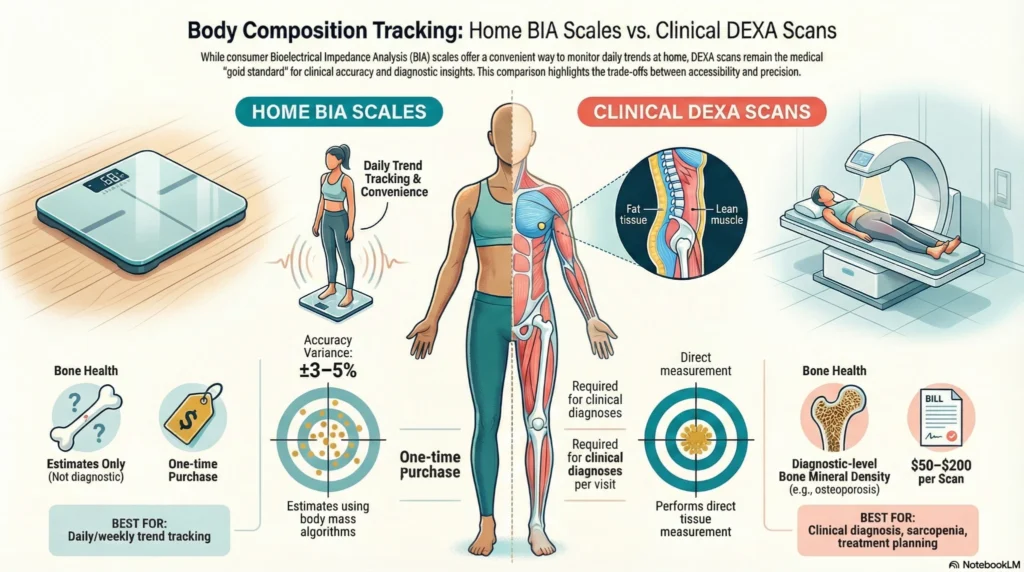
Accuracy Comparison with DEXA
Understanding Accuracy: What ±3-5% Really Means
Here’s what scares people: “BIA scales are only ±3-5% accurate compared to DEXA scans!”
Here’s what that actually means for you:
If your true body fat is 20%, your scale might read anywhere from 17% to 23%. Sounds terrible, right?
But here’s why it doesn’t matter: Your scale will be consistently wrong in the same direction. If it reads 23% today and 20% in three months, you genuinely lost 3% body fat, even if your “true” percentages were 25% and 22%.
The trend is what matters, not the absolute number.
Think of it like your car’s speedometer. It might be off by 2-3 mph, but if it shows you slowing from 70 to 55, you’re definitely slowing down. That’s how BIA scales work—reliable trends, imperfect snapshots.
For home fitness tracking, this is more than good enough. You don’t need clinical precision. You need to know: “Am I moving in the right direction?”
Consumer BIA vs. DEXA Accuracy:
Research comparing consumer BIA devices to DEXA shows:
- Body fat percentage: BIA devices show average error of ±3-5% compared to DEXA
- Muscle mass: BIA devices may underestimate muscle mass by 2-4 kg in muscular individuals
- Visceral fat: BIA visceral fat ratings show weak correlation with DEXA-measured visceral adipose tissue
- Individual variation: Some individuals show errors >±5% due to unique physiology
What This Means for Users:
If DEXA measures your body fat at 20%, a consumer BIA scale might read anywhere from 15% to 25%.
The important insight:
The absolute number is less meaningful than the trend over time.
Example:
- Your scale reads 22% in January
- DEXA scan shows your “true” body fat is 18%
- Scale is off by 4 percentage points
But this is OK because:
- When your scale drops to 19% in April, you’ve genuinely lost 3% body fat
- The scale remains consistently wrong in the same direction
- The trend (22% → 19%) is reliable even if the absolute numbers are offset
💡 KEY TAKEAWAY: Don’t obsess over whether you’re “really” 18% or 22% body fat. Focus on whether the number is moving in your desired direction over time.
When BIA Trends Are Reliable:
Used consistently (same time of day, same hydration state), BIA devices can reliably track changes:
Fat Loss Example:
- Body fat decreases from 22% to 20% on the scale over 3 months
- This likely reflects real fat loss (even if absolute values are offset from DEXA)
Muscle Gain Example:
- Muscle mass increases from 35 kg to 37 kg on the scale
- This likely reflects real muscle gain
The principle:
As long as you’re consistent with measurement conditions, the scale will be consistently wrong in the same direction. Changes are reliable; absolute numbers are less so.
When DEXA or Medical-Grade Assessment is Appropriate:
- Clinical diagnosis is required (e.g., sarcopenia, osteoporosis)
- Precise body composition needed for medical treatment planning
- Baseline measurement for research or athletic performance optimization
- BIA contraindications exist (pacemaker, pregnancy)
- Validation of consumer device accuracy is desired
Interpretation Guidance
Consumer BIA devices are appropriate for:
- Tracking relative changes over time (trends more reliable than absolute values)
- General health awareness about body composition patterns
- Motivation and goal-setting in weight management programs
- Home wellness monitoring without clinical diagnostic needs
DEXA or medical-grade assessment is appropriate when:
- Clinical diagnosis is required (sarcopenia, osteoporosis, body composition-related conditions)
- Medical treatment planning requires precise body composition data
- Research studies requiring validated measurement methods
- Elite athletic performance assessment with precision requirements
- BIA contraindications prevent use of consumer devices
Cost and Accessibility Comparison:
| Method | Cost | Frequency | Accuracy | Accessibility |
|---|---|---|---|---|
| Consumer BIA Scale | $50-150 one-time | Daily at home | ±3-5% | High |
| DEXA Scan | $50-200 per scan | Quarterly | ±1-2% (reference standard) | Medium (requires appointment) |
| Hydrostatic Weighing | $50-100 per session | As needed | ±2-3% | Low (limited facilities) |
💡 KEY TAKEAWAY: For general wellness, a consumer BIA scale used daily provides useful trends. For precise baseline or clinical diagnosis, invest in periodic DEXA scans (2-4 times per year).
Recommendation:
For general wellness tracking, a consumer BIA scale used consistently can provide useful trend data. For clinical decisions or precise baseline assessment, invest in periodic DEXA scans and compare against home BIA trends.
When to Seek Clinical Confirmation
⚠️ QUICK SAFETY REFERENCE
EMERGENCY (Call 911 or seek immediate medical attention):
- Sudden unexplained weight change >5 kg in 1 week
- Severe swelling in legs, abdomen, or face (edema)
- Chest pain, severe shortness of breath, or fainting
- Any life-threatening symptoms regardless of scale readings
NON-EMERGENCY (Schedule physician consultation):
- Unintentional weight change >5% body weight in 6 months
- Persistent abnormal hydration readings (very high or very low)
- Significant muscle mass loss without dietary or activity changes
- Questions about interpreting body composition trends in context of diagnosed medical conditions
- Body composition changes not explained by diet or exercise modifications
Consumer devices detect patterns—NOT diagnose conditions. Physician review is required for clinical interpretation.
Best Smart Scales for Families (Multi-User Features)
Auto-Recognition Features
Modern smart scales may include user identification technology that automatically recognizes which family member is using the device based on weight patterns and body composition data.
How Auto-Recognition Works:
- Each user creates a profile with basic information (age, sex, height)
- First 3-5 measurements manually assigned to user profile
- Device learns weight range and body composition pattern
- Future measurements automatically assigned to closest matching profile
- Accuracy improves with continued use
Typical User Capacity: 4-8 user profiles (device-dependent)
Recognition Limitations:
- Manual assignment option should be available for ambiguous cases
- Users with similar weight and body composition may be misidentified
- Significant weight changes may require profile recalibration
- Multiple measurements in short time period may confuse device
Family Use Considerations
Age Restrictions:
Consumer BIA body composition scales have different validation and appropriateness by age group:
Children (<18 years):
- Not validated: Most BIA algorithms are validated on adults and not accurate for growing children
- Rapidly changing composition: Children’s body composition changes during growth spurts, making baseline norms unreliable
- Psychological concerns: Body fat percentage display may contribute to unhealthy body image in developing children
- Recommendation: Use weight-only tracking for children if medically indicated; consult pediatrician for body composition concerns
Adolescents (13-18 years):
- Limited validation: Some devices offer “teen mode” with adjusted algorithms, but validation data is sparse
- High variability: Puberty-related changes cause significant body composition fluctuations
- Body image sensitivity: Display of body fat numbers may be contraindicated for adolescents with eating disorder history or risk
- Recommendation: Consult pediatrician or adolescent medicine specialist before using BIA scales in this age group
Adults (18-65 years):
- Most validated age range: BIA algorithms are primarily validated in this population
- Best accuracy: Devices perform most reliably in this group
- Appropriate use: General wellness tracking, fitness goal monitoring
Older Adults (>65 years):
- Recommendation: Compare BIA trends with periodic DEXA scans for validation if clinically relevant
- Accuracy concerns: Age-related changes in hydration and muscle density may reduce accuracy
- Sarcopenia monitoring: May be useful for tracking muscle mass loss over time (trends, not absolute values)
- Hydration sensitivity: Older adults have different hydration patterns; consistency in measurement timing is critical
Pregnancy Considerations:
BIA scales are not validated for pregnant individuals:
- Fluid retention and physiological changes during pregnancy alter impedance unpredictably
- Body composition algorithms assume non-pregnant hydration and fat distribution
- Body fat percentage readings during pregnancy are unreliable and may be misleading
- Rapid weight gain in pregnancy cannot be accurately differentiated between fat, muscle, fluid, and fetal tissue
Recommendation:
Weight-only tracking may be more appropriate during pregnancy. Consult obstetrician for appropriate weight gain monitoring.
Medical Device Conflicts:
Pacemakers and Implantable Cardioverter-Defibrillators (ICDs):
- Contraindicated: Most BIA scale manufacturers explicitly prohibit use by individuals with pacemakers or ICDs
- Potential interference: Electrical current from BIA devices may theoretically interfere with pacemaker sensing or ICD function
- Safety concern: Even if interference is unlikely at consumer BIA current levels, risk cannot be completely excluded
- Recommendation: Consult cardiologist before using BIA scales; use weight-only scales instead
Other Electronic Implants:
- Implantable insulin pumps: Check manufacturer guidance; some prohibit BIA use
- Neurostimulators: Verify with device manufacturer and implanting physician
- Cochlear implants: Generally not contraindicated (not in current pathway), but verify with manufacturer
Metal Implants (non-electronic):
- Hip or knee replacements: Generally do not affect BIA accuracy significantly
- Spinal fusion hardware: May slightly alter current pathway but typically acceptable
- Dental implants: No effect on body composition measurement
Privacy Settings:
Some smart scale apps allow customization of displayed metrics for different user profiles:
- Hide specific metrics: Option to hide body fat percentage or other composition metrics from display
- Weight-only mode: Display weight only for users who prefer not to see body composition
- Profile locking: Password or PIN protection for individual profiles
Use Cases for Privacy Features:
- Family environments with children (hide body composition metrics from child profiles)
- Individuals in eating disorder recovery (display weight trends only, hide fat percentage)
- Shared household with different comfort levels regarding body composition data
App Integration and Data Tracking
Core App Features
Modern smart scales connect to smartphone apps via Bluetooth or Wi-Fi, offering:
Data Visualization:
- Weight and body composition trend graphs (daily, weekly, monthly, yearly)
- Goal tracking with progress indicators
- Comparison of multiple metrics on single dashboard
- Export capabilities (CSV, PDF reports)
Metric Calculations:
- Body Mass Index (BMI) automatically calculated from weight and height
- Basal Metabolic Rate (BMR) estimated from body composition
- Ideal weight ranges based on age, sex, height
- Body age estimates (algorithm-based)
- Fitness scores and wellness ratings
User Management:
- Multiple user profiles with individual data privacy
- Family sharing options with permission controls
- Cloud data backup and sync across devices
- Historical data retention (varies by app; some unlimited, others limited years)
Third-Party Integrations:
- Apple Health, Google Fit, Samsung Health
- Fitness apps (MyFitnessPal, Strava, etc.)
- Nutrition tracking apps
- Medical record systems (limited availability)
Data Privacy Considerations
Important Privacy Factors:
Review app privacy policies before use:
- What data is collected (body metrics, usage patterns, location?)
- How data is stored (local device only, cloud servers, encrypted?)
- Who has access to data (app company, third parties, advertisers?)
- How long data is retained (indefinite, time-limited, user-deletable?)
Understand data sharing practices:
- Some apps share anonymized data with third parties for research or product improvement
- Advertising-supported apps may use body composition data for targeted advertising
- Check if data is sold to data brokers or health insurance companies
User control options:
- Ability to delete data permanently
- Ability to export data for personal records
- Option to disable cloud sync (local storage only)
- Ability to revoke third-party app access
Recommendations:
- Read privacy policy before creating account
- Use strong, unique password for scale app account
- Enable two-factor authentication if available
- Periodically review connected third-party apps and revoke unnecessary access
- Consider privacy-focused apps that store data locally only
Accuracy of App Calculations
Many smart scale apps provide derived metrics calculated from measured data. These calculations are algorithm-based estimates and should be interpreted as general guidance, not clinical data.
Common Derived Metrics:
Basal Metabolic Rate (BMR):
- Formula-based estimate using weight, height, age, sex, and sometimes body composition
- Typical accuracy: ±200-300 calories/day compared to measured metabolic rate
- Use: General calorie goal estimation, not precision nutrition planning
Ideal Weight Ranges:
- Based on age, sex, height, and sometimes frame size
- Derived from population statistics (BMI ranges, body fat percentage norms)
- Limitations: Does not account for individual muscle mass, bone density, or body composition goals
Body Age Estimates:
- Proprietary algorithm comparing user’s body composition to age-based population norms
- Highly variable between apps; no standardized methodology
- Interpretation: Motivational metric only; not validated health indicator
Fitness Scores and Wellness Ratings:
- Use: Trend tracking within same app only; scores not comparable between apps
- Combine multiple metrics into single score
- Algorithm varies by manufacturer; not standardized across industry
Important: These calculations are algorithm-based estimates and should not replace medical assessment or personalized healthcare provider guidance.
Connectivity Requirements
Bluetooth-Connected Scales:
- Range: Typically 10-30 feet from smartphone
- Setup: One-time pairing process
- Data sync: Requires smartphone nearby during measurement or syncs next time phone is in range
- Battery life: Longer battery life (months to years) due to low-power Bluetooth
Wi-Fi-Connected Scales:
- Range: Anywhere within home Wi-Fi network
- Setup: One-time Wi-Fi network configuration
- Data sync: Automatic upload to cloud servers after each measurement
- Battery life: Shorter battery life (weeks to months) due to higher power consumption
- Advantage: Data accessible from any device (phone, tablet, computer) without phone proximity
App Compatibility:
- iOS: Check minimum iOS version requirement (typically iOS 12+)
- Android: Check minimum Android version requirement (typically Android 7.0+)
- App Store availability: Verify app is available in your region
Data Sync Reliability:
- Some devices store measurements locally if connectivity unavailable, syncing later
- Others require active connection during measurement
- Check manufacturer specifications for offline measurement capability
Choosing for Your Goals
🎯 DECISION TREE: WHICH DEVICE DO YOU NEED?
START HERE: What’s your primary goal?
→ “Just track weight, nothing else”
✓ Choose: Basic Smart Scale ($30-50)
✓ Skip: All body composition features
→ “Lose fat, preserve muscle”
✓ Choose: BIA Scale ($50-100)
✓ You need: Body fat % + muscle mass tracking
→ “Build muscle, track gains by body part”
✓ Choose: Segmental Analyzer ($150-300)
✓ You need: Regional muscle distribution data
→ “Track whole family, including teenagers”
✓ Choose: Multi-user BIA Scale ($80-150)
✓ You need: 8+ profiles, auto-recognition, teen mode
→ “Travel frequently, need portable option”
✓ Choose: Handheld BIA Device ($40-80)
✓ Trade-off: Less accurate, upper body only
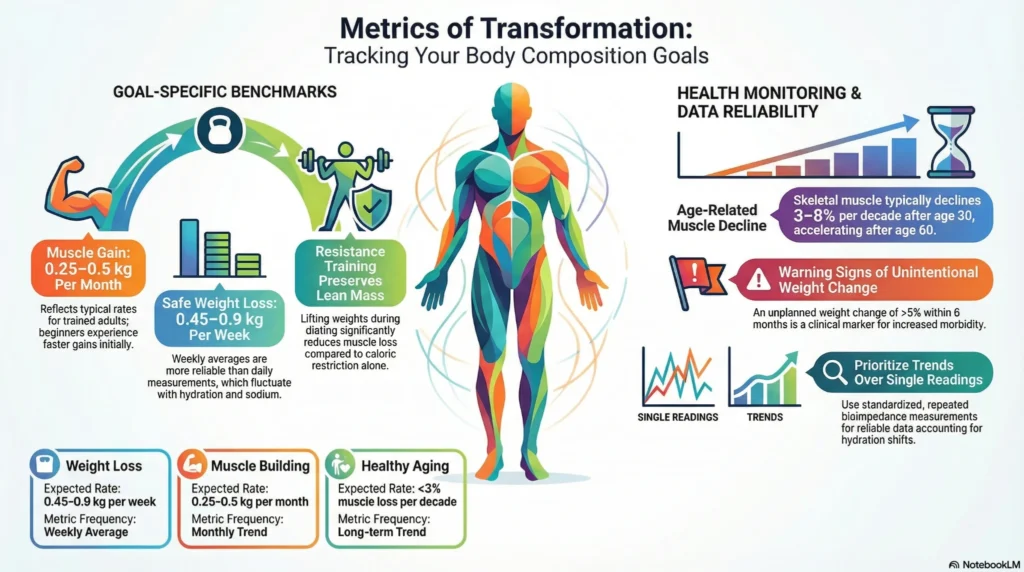
For Weight Loss Tracking
Recommended Device Features:
- Accurate weight measurement (±0.2 kg precision minimum)
- Body fat percentage tracking (BIA technology)
- Muscle mass measurement to ensure fat loss, not muscle loss
- Hydration percentage to monitor adequate water intake
- App integration for trend visualization (weekly, monthly graphs)
- Goal-setting features with progress tracking
Metrics to Monitor:
Weight Trend:
- Weekly average more meaningful than daily weight
- Healthy weight loss: 0.5-1 kg per week (may vary by starting weight)
- Day-to-day fluctuations of 1-2 kg are normal (hydration, food timing, hormones)
Body Fat Percentage Trend:
- Healthy fat loss: 0.5-1% body fat reduction per month (may vary)
- More important than weight change alone
- Differentiates fat loss from muscle or water loss
Muscle Mass Stability or Increase:
- Goal: Muscle mass should remain stable or increase during weight loss
- Muscle preservation indicates healthy weight loss (fat loss, not muscle loss)
- If muscle mass decreases >5%, may indicate inadequate protein intake or excessive calorie restriction
Body Water Percentage:
- Sudden changes may indicate dehydration (decrease) or medical issue (increase)
- Stable or slightly increased hydration is ideal during weight loss
- Dehydration can slow metabolism and impair fat loss
Appropriate Expectations:
Healthy Fat Loss Rate:
0.5-1% body fat reduction per month is sustainable. Faster fat loss may include muscle loss or be unsustainable long-term.
Muscle Preservation:
Muscle mass should remain stable or increase with resistance training during weight loss. Strength training 2-3 times per week helps preserve muscle.
Scale Fluctuations:
Daily weight may vary 1-2 kg due to multiple factors:
Normal causes of fluctuation:
- Hydration status
- Food timing (gut contents)
- Sodium intake (water retention)
- Menstrual cycle (for menstruating individuals)
- Bowel movements
- Exercise-induced inflammation
The solution:
Weekly averages provide clearer trends than daily readings.
Example:
- Monday: 72.5 kg
- Wednesday: 73.8 kg (ate salty meal yesterday)
- Friday: 71.9 kg
- Week 1 average: 72.7 kg
Compare weekly averages, not daily weights.
💡 KEY TAKEAWAY: A 1-2 kg jump overnight is usually water weight, not fat gain. Don’t panic over daily fluctuations—track weekly trends.
When to Consult Healthcare Provider:
Schedule physician consultation if:
- Development of symptoms (fatigue, hair loss, mood changes, menstrual irregularities)
- Weight loss exceeds 1-1.5 kg per week consistently (may indicate unsafe rate)
- Muscle mass decreases significantly (>5% over 1 month)
- Unexpected changes in body composition metrics not explained by diet or exercise
- Plateau lasting >6 weeks despite continued effort
For Muscle Building
Recommended Device Features:
- Skeletal muscle mass measurement (BIA technology)
- Segmental analysis (if budget allows) to track limb-specific muscle growth
- Body fat percentage to monitor whether muscle gain is “clean” or includes excess fat
- High weight capacity (if anticipating significant muscle mass gain)
- Frequent measurement capability (weekly tracking recommended)
Metrics to Monitor:
Skeletal Muscle Mass (Primary Indicator):
- Most important metric for muscle building goals
- Measured separately from total weight
- Segmental muscle distribution helpful for identifying imbalances
Body Fat Percentage:
- Should decrease or remain stable during clean muscle gain
- If body fat increases >1% per month, may indicate excess calorie surplus
- “Lean bulking” aims for muscle gain with minimal fat gain
Total Body Weight:
- May increase due to muscle density and volume
- Muscle tissue is denser than fat; gaining muscle may increase weight even if fat decreases
- Weight plateau or decrease during muscle building may indicate inadequate calorie intake
Hydration Levels:
- Muscle tissue is ~75% water
- Adequate hydration essential for muscle recovery and growth
- Dehydration impairs muscle protein synthesis
Appropriate Expectations:
Muscle Gain Rate:
Research indicates realistic muscle gain rates are 0.25-0.5 kg per month for trained individuals. Beginners may gain 0.5-1 kg muscle per month initially. Rate slows with training experience.
BIA Accuracy for Athletes:
BIA scales may underestimate muscle mass in highly trained athletes with very low body fat. Absolute numbers may be offset, but trends remain reliable.
Body Weight Changes:
Body weight may increase or remain stable while body composition improves (muscle gain, fat loss). Do not rely on scale weight alone; prioritize body composition metrics.
Measurement Timing Considerations:
Avoid Post-Workout Measurements:
Fluid shifts to muscles after exercise affect impedance readings. Muscle mass may appear artificially elevated immediately post-workout, or body fat may appear artificially reduced.
Consistent Weekly Measurement:
Measure same day each week (e.g., Sunday morning) for reliable trend tracking. Avoid daily measurements as muscle building is gradual.
Consider DEXA Validation:
If budget allows, periodic DEXA scans (every 3-6 months) provide validation of BIA scale trends and precise muscle mass quantification.
When to Consult Healthcare Provider:
Schedule consultation if:
- Questions about appropriate muscle building strategies for specific health conditions
- Muscle mass fails to increase despite consistent training and adequate nutrition for >3 months
- Unexplained muscle loss occurs
- Body fat increases excessively during muscle building phase
For General Health Monitoring
Recommended Device Features:
- All-in-one body composition measurement (weight, body fat, muscle, hydration)
- Long-term trend tracking (multi-year data storage)
- Ease of use for routine daily or weekly measurements
- Data export capability for sharing with healthcare providers
- Reliable app with clear visualizations
Metrics to Monitor:
Weight Stability:
- Unexplained weight changes (gain or loss >5% body weight in 6 months) may warrant medical evaluation
- Gradual, intentional changes are expected with lifestyle modifications
- Sudden changes require investigation
Body Fat Percentage:
- Gradual increases over years may indicate need for lifestyle adjustments (increased physical activity, dietary changes)
- Excessive increases may correlate with cardiovascular risk factors
- Trends more important than absolute values
Muscle Mass Trends:
- Age-related muscle loss (sarcopenia) typically begins after age 30-40
- Loss of >0.5-1% muscle mass per year may signal need for strength training intervention
- Strength training can prevent or reverse sarcopenia in older adults
Hydration Levels:
- Chronic low hydration may affect kidney function, cognition, and overall health
- Sudden increases in body water may indicate medical conditions (edema, heart failure, kidney issues)
- Stable hydration indicates adequate fluid intake
Appropriate Use Cases:
Annual Health Checkups:
Share body composition trend data with healthcare provider during annual physical exams. Trends may inform health risk assessment and preventive interventions.
Age-Related Changes:
Monitor muscle mass loss (sarcopenia) in adults over 40. Early detection enables intervention with strength training and protein intake optimization.
Medication Effects:
Some medications alter body composition (steroids increase fat and water, certain antidepressants affect weight). Tracking provides objective data for discussion with prescribing physician.
Lifestyle Interventions:
Assess impact of diet changes, new exercise programs, stress management, or sleep improvements. Body composition changes may lag behind scale weight changes.
When to Consult Healthcare Provider:
Schedule consultation if:
- Body composition changes do not align with lifestyle modifications (e.g., weight loss plateau despite consistent diet and exercise)
- Unintentional weight changes occur (>5% body weight in 6 months without dietary or activity changes)
- Persistent abnormal hydration readings (very high or very low) are displayed
- Significant muscle mass loss occurs without dietary changes or reduced activity
- Questions arise about interpreting body composition trends in context of diagnosed medical conditions (diabetes, heart disease, thyroid disorders, etc.)
Summary: Device Selection Decision Tree
Choose a basic smart scale (weight-only) if:
- You only need weight tracking
- You have BIA contraindications (pacemaker, pregnancy)
- You prefer simplest device with lowest cost
- Your healthcare provider recommends weight-only monitoring
Choose a BIA body fat scale if:
- You want comprehensive body composition tracking
- You’re monitoring fat loss or muscle gain
- You want home wellness tracking without clinical precision needs
- You’re comfortable with ±3-5% body fat measurement variability
Choose a segmental analyzer if:
- You need regional body composition data
- You’re tracking muscle imbalances
- You’re in physical rehabilitation or athletic training
- Budget allows higher investment ($150-300)
Choose a handheld analyzer if:
- You need portable body composition tracking
- You travel frequently
- You prioritize convenience over precision
- You understand upper-body-only measurement limitations
Seek DEXA or medical-grade assessment if:
- Clinical diagnosis is required
- Precise baseline measurement is needed
- BIA contraindications exist
- Validation of consumer device accuracy is desired
❓ FREQUENTLY ASKED QUESTIONS
Are cheap smart scales ($50-80) actually accurate?
Yes, for home use. Budget BIA scales show ±3-5% variance just like $200 models. Studies in physically active populations confirm BIA devices provide consistent body composition measurements when compared to four-compartment models [peer-reviewed study on BIA accuracy in athletes], validating their use for trend tracking. The difference is build quality and extra features (WiFi, more metrics), not core accuracy. Both are reliable for tracking trends.
Do I really need body fat tracking or is weight enough?
Depends on your goal. Choose body fat tracking if: you’re building muscle, cutting fat, or over 40 (muscle loss becomes critical). Stick with weight-only if: you just want to maintain healthy weight or track post-pregnancy changes.
How do I know if my readings are accurate?
You don’t need exact accuracy—you need consistent trends. If your scale shows you went from 22% to 19% body fat over 3 months, you genuinely lost fat, even if your “true” percentage is 20% or 24%. The direction and magnitude matter, not the absolute number.
Will my scale work for my whole family?
Most BIA scales support 8-12 user profiles with auto-recognition (scale identifies you by weight pattern). Teenager modes adjust calculations for developing bodies. Just avoid scales with single-user limitations.
Do these work if I have a pacemaker or am pregnant?
Pacemakers: Most modern pacemakers are shielded, but consult your cardiologist first. The electrical current is tiny (50 kHz, <500 µA) but caution is warranted. This guidance has been reviewed as part of our medical review process.
Pregnancy: Safe for weight tracking, but body fat readings will be inaccurate due to fluid shifts. Switch to weight-only mode.
How hard is setup?
5 minutes max. Download app → Bluetooth pair → Create profile → Step on scale. No calibration needed. Most users rate setup difficulty 2/10.
What if I’m dehydrated or just ate a big meal?
BIA readings fluctuate ±2-3% based on hydration. Best practice: Weigh yourself at the same time daily (morning, post-bathroom, pre-breakfast) for consistent comparisons. Don’t obsess over single readings.
Are these worth buying vs. just using my phone to track weight?
If you only care about weight trends, a basic $35 Bluetooth scale beats manual logging. If you want to know whether you’re losing fat or muscle, BIA scales provide data your phone can’t. Most users say the insight is worth $70-100 for long-term tracking.
🛒 WHEN TO BUY: TIMING & PRICING
Price stability: Smart scale prices remain consistent year-round. Unlike TVs or laptops, manufacturers don’t do major seasonal refreshes.
Best discounts:
- Black Friday/Cyber Monday (November): 15-25% off most models
- Amazon Prime Day (July): 10-20% off select brands
- New Year (January): 10-15% off as resolution-seekers buy
Should you wait?
Don’t wait if: You’re starting a fitness program now. Three months of tracking data is worth more than saving $15-20. Consistent baseline data helps you spot trends early.
Wait if: You’re not starting a program until January anyway. Might as well save 20% during Black Friday.
Technology refresh cycle: Smart scale tech improves slowly. Devices from 2024-2025 remain current in 2026. Don’t worry about “outdated” models—accuracy algorithms haven’t changed significantly in 3+ years.
📅 Content Freshness: This guide was last updated in February 2026. See our update and review schedule for how we maintain current pricing and product data.
References
[1] Marra, M., Sammarco, R., De Lorenzo, A., Iellamo, F., Siervo, M., Pietrobelli, A., Donini, L. M., Santarpia, L., Cataldi, M., Pasanisi, F., & Contaldo, F. (2019). Assessment of body composition in health and disease using bioelectrical impedance analysis (BIA) and dual energy X-ray absorptiometry (DXA): A critical overview. Contrast Media & Molecular Imaging, 2019, 3548284. https://doi.org/10.1155/2019/3548284
[2] Kyle, U. G., Bosaeus, I., De Lorenzo, A. D., Deurenberg, P., Elia, M., Gómez, J. M., Heitmann, B. L., Kent-Smith, L., Melchior, J. C., Pirlich, M., Scharfetter, H., Schols, A. M., & Pichard, C. (2004). Bioelectrical impedance analysis—part I: review of principles and methods. Clinical Nutrition, 23(5), 1226-1243. https://doi.org/10.1016/j.clnu.2004.06.004
[3] Nickerson, B. S., Esco, M. R., Bishop, P. A., Fedewa, M. V., Snarr, R. L., Kliszczewicz, B. M., & Park, K. S. (2017). Validity of four-compartment model body fat in physically active men and women when using DXA for body volume. International Journal of Sport Nutrition and Exercise Metabolism, 27(6), 520-527. https://doi.org/10.1123/ijsnem.2016-0259
[4] Schoenfeld, B. J., Grgic, J., Ogborn, D., & Krieger, J. W. (2017). Strength and hypertrophy adaptations between low- vs. high-load resistance training: A systematic review and meta-analysis. Journal of Strength and Conditioning Research, 31(12), 3508-3523. https://doi.org/10.1519/JSC.0000000000002200
[5] Antonio, J., Ellerbroek, A., Silver, T., Vargas, L., Tamayo, A., Buehn, R., & Peacock, C. A. (2016). A high protein diet has no harmful effects: A one-year crossover study in resistance-trained males. Journal of Nutrition and Metabolism, 2016, 9104792. https://doi.org/10.1155/2016/9104792
Additional Resources
Government Health Organizations:
- National Institutes of Health (NIH) – Body Composition Information: https://www.nhlbi.nih.gov/health/educational/lose_wt/risk.htm
- Centers for Disease Control and Prevention (CDC) – Healthy Weight Resources: https://www.cdc.gov/healthyweight/
Professional Medical Organizations:
- Mayo Clinic – Body Fat Scales: Step Right Up?: https://www.mayoclinic.org/healthy-lifestyle/fitness/expert-answers/body-fat-scales/faq-20058251
- American College of Sports Medicine – Body Composition Resources
For Device Testing Methodology:
- See our Research Methodology & Validation page for complete testing protocols
- All testing follows standardized procedures outlined on our methodology page
- Raw test data available upon request for research validation
About This Analysis
Author Credentials:
Dr. Rishav Das, M.B.B.S., serves as the lead medical reviewer for Wearable Wellness Guide. His qualifications include:
- M.B.B.S. (Bachelor of Medicine, Bachelor of Surgery), Grant Government Medical College, Mumbai (2024)
- Post-Graduate Certificate in Health Informatics, Columbia University (2025)
- Specialization in Immunology, Imperial College London (2025)
- Post-Graduate Diploma in Neuroscience, Johns Hopkins University (2025)
- Former Medical Officer, Sir J.J. Group of Hospitals, Mumbai (2024-2025)
- License: Medical Council of India (MCI) and Maharashtra Medical Council (MMC) — License No: PR/7466/2024
Scope of Review:
Dr. Das translates clinical validation research on consumer wellness devices into consumer-accessible analysis. This includes testing methodology development, measurement accuracy assessment, and clinical context explanation.
What Dr. Das Does NOT Provide:
- Medical diagnosis or disease interpretation
- Clinical treatment recommendations
- Individual health data interpretation
- FDA regulatory determinations
- Substitute for healthcare provider consultation
For complete credentials and editorial standards, see our About page.
Medical Disclaimer
The information on this page is for educational purposes and general wellness information. It should not replace professional medical advice, diagnosis, or treatment.
Always consult a qualified healthcare provider for:
- Medical diagnosis or clinical interpretation of body composition data
- Treatment recommendations for diagnosed conditions
- Personalized medical advice based on individual health history
- Questions about device appropriateness for specific medical conditions
Body composition devices are general wellness products, not medical devices. They detect patterns for wellness tracking—NOT diagnose medical conditions. Professional medical evaluation is required for clinical decision-making.
Page Last Updated: February 15, 2026
Medical Review: Dr. Rishav Das, M.B.B.S. — February 15, 2026
Next Scheduled Review: August 15, 2026
This page follows the editorial standards, medical review procedures, and conflict of interest policies outlined on our About page.