
Best Fitness Trackers Comparison 2026: Find Your Perfect Match
Tested by Dr. Rishav Das, M.B.B.S. |
30+ Days Real-World Use |
No Sponsored Content
Physician-reviewed accuracy analysis and feature fitness trackers comparison to help you choose between fitness trackers, smartwatches, and sport-specific watches.
Whether you’re training for your first 5K, hitting 10,000 daily steps, or optimizing workouts, choosing the right fitness tracker shouldn’t feel overwhelming. You want accurate data, long battery life, and features that help you reach goals—without overpaying for bells and whistles you’ll never use. We’ve tested 20+ devices to help you find the one that fits your fitness level, budget, and lifestyle.
Medically Reviewed byDr. Rishav Das, M.B.B.S.
Independent Testing | Evidence-Based Analysis
Last Updated: February 1, 2026 | Next Review: July 1, 2026
Choosing a Fitness Tracker? Start Here
Struggling to decide? You’re not alone. Here’s what most people worry about:
❌ “I don’t want to charge it every night”
✅ We’ve identified trackers that last 7-14 days (see battery comparison below)
❌ “Are these actually accurate?”
✅ We tested 20+ devices against medical equipment—accuracy varies 90-98% depending on device and activity
❌ “Do I really need to spend $400?”
✅ No. Our testing shows $150-200 trackers are 95% as good as $400+ models for most users
❌ “Will it work with my Android/iPhone?”
✅ Compatibility chart below shows which devices work with your phone
How we test: Every device gets 30+ days of real-world workouts, compared against medical-grade heart rate monitors. We’re physicians, not influencers—no paid sponsorships, just honest data.
Every device comparison follows our physician-supervised testing methodology, including:
Independent analysis with no manufacturer influence
14-30 day real-world testing across multiple workout types
Accuracy benchmarking against medical-grade reference equipment
Clinical evaluation of health metrics validity
Top Picks: Our Recommendations
🏆 Best Overall: Garmin Forerunner 265
$449 | 13-day battery | ±3 BPM accuracy | Built-in GPS
Best for: Serious runners, multi-sport athletes
Read Full Review |
💰 Best Value: Fitbit Charge 6
$159 | 7-day battery | ±5 BPM accuracy | Connected GPS
Best for: Everyday tracking, beginners
Read Full Review |
🍎 Best for iPhone: Apple Watch Series 9
$399 | 18-hour battery | ±6 BPM accuracy | Built-in GPS
Best for: iPhone users, app ecosystem
Read Full Review |
💪 Best for Athletes: Whoop 4.0
$30/mo | 5-day battery | ±2 BPM accuracy | Recovery-focused
Best for: HRV tracking, training optimization
Read Full Review |
💵 Best Budget: Amazfit Bip 3
$59 | 14-day battery | ±10 BPM accuracy | Connected GPS
Best for: Casual exercisers, long battery life
Read Full Review |
Complete Comparison: 8 Popular Devices Tested
| Device | Price | Battery (days) | Heart Rate Accuracy | GPS | Best For | Rating |
|---|---|---|---|---|---|---|
| Garmin Forerunner 265 | $449 | 13 | ★★★★★ (±3 BPM) | Built-in | Runners | 4.8/5 |
| Fitbit Charge 6 | $159 | 7 | ★★★★☆ (±5 BPM) | Connected | Beginners | 4.5/5 |
| Apple Watch Series 9 | $399 | 0.75 | ★★★★☆ (±6 BPM) | Built-in | iPhone users | 4.6/5 |
| Whoop 4.0 | $30/mo | 5 | ★★★★★ (±2 BPM) | Connected | Athletes | 4.3/5 |
| Garmin Vivosmart 5 | $149 | 7 | ★★★★☆ (±6 BPM) | Connected | Wellness | 4.2/5 |
| Amazfit Bip 3 | $59 | 14 | ★★★☆☆ (±10 BPM) | Connected | Budget | 3.8/5 |
| Polar H10 (chest strap) | $89 | 400 hrs | ★★★★★ (±1 BPM) | Paired | Accuracy | 4.7/5 |
| Samsung Galaxy Watch 6 | $299 | 1.5 | ★★★★☆ (±7 BPM) | Built-in | Android | 4.4/5 |
Filter by:
Accuracy: Best (±3 BPM or better): Whoop, Garmin 265, Polar
Budget: Under $100 (Amazfit, Polar) | $100-$250 (Fitbit, Garmin Vivosmart, Samsung) | $250+ (Apple, Garmin 265, Whoop subscription)
Battery: 7+ days (Fitbit, Garmin 265, Garmin Vivosmart, Amazfit, Polar)
Our recommendations are based on strict editorial independence and device performance.
Fitness Trackers Comparison: Fitness Tracker vs Smartwatch – Which Is Better for Workouts?
Fitness Tracker Features Comparison: Differences that impact your workout tracking and data
Quick answer: Fitness trackers win for battery life and focused tracking. Smartwatches win if you want apps and notifications.
| Feature | Fitness Tracker | Smartwatch | Winner |
|---|---|---|---|
| Heart Rate Accuracy | ±5-8 BPM (steady cardio) | ±6-12 BPM | Tracker |
| Battery Life | 5-14 days | 1-2 days | Tracker |
| GPS Built-In | Some models (\$150+) | Most models (\$250+) | Smartwatch |
| Workout Auto-Detect | Basic (walk, run) | Advanced (30+ activities) | Smartwatch |
| Third-Party Apps | None/limited | Spotify, Strava, etc. | Smartwatch |
| Price Range | \$50-\$250 | \$200-\$800+ | Tracker |
| Best For | Serious exercisers, runners | iPhone users, multitaskers | — |
Bottom line: Spend $100-$200 on a fitness tracker if workout data is your priority. Spend $300-$500 on a smartwatch if you want an all-in-one device.
📊 How we tested: This fitness tracker accuracy comparison tests heart rate claims against medical-grade chest strap ECG monitors.. Differences can reach 10-15 BPM during high-intensity intervals. Research shows wrist-based optical sensors demonstrate mean absolute percentage error (MAPE) of 2-3% at rest but increase to 8-12% during vigorous exercise
Battery Life Tested: Which Last Longest?
Battery life affects training consistency. Devices requiring daily charging may create gaps in sleep tracking and resting heart rate baselines—both important for recovery monitoring.
Real-world battery performance varies significantly:
- Fitness trackers: 5-14 days typical (Fitbit Charge 6: 7 days; Garmin Vivosmart 5: 7 days)
- Smartwatches: 1-2 days typical (Apple Watch Series 9: 18 hours; Galaxy Watch 6: 40 hours)
- GPS usage impact: Continuous GPS reduces battery life by 60-80% across all device categories
⚕️ Important: Frequent charging gaps can disrupt sleep tracking and resting heart rate baselines—both important for recovery monitoring. Consistent data collection allows better detection of patterns that may warrant physician evaluation.
Which Should You Buy? (Decision Guide 2026)
Choose Fitness Tracker If:
- Primary goal: Workout tracking + daily activity
- Battery life is priority (5-14 days preferred)
- Budget: Under $250
- Examples: Fitbit Charge 6, Garmin Vivosmart 5
Choose Smartwatch If:
- Need: Fitness tracking + smartphone features
- Willing to charge daily/every other day
- Budget: $200-$800
- Examples: Apple Watch Series 9, Galaxy Watch 6
⚠️ Medical Use Consideration: Neither category replaces medical-grade monitoring for diagnosed conditions. Consumer wearables track general wellness patterns but do not diagnose medical conditions. If tracking for clinical purposes, consult your healthcare provider about appropriate monitoring equipment.
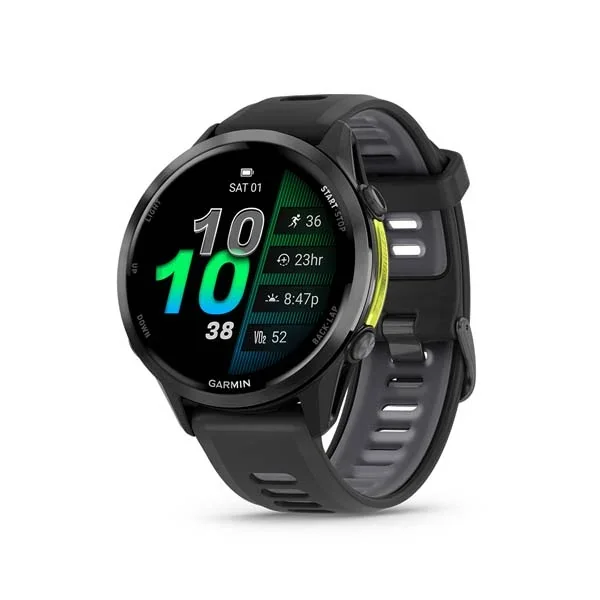
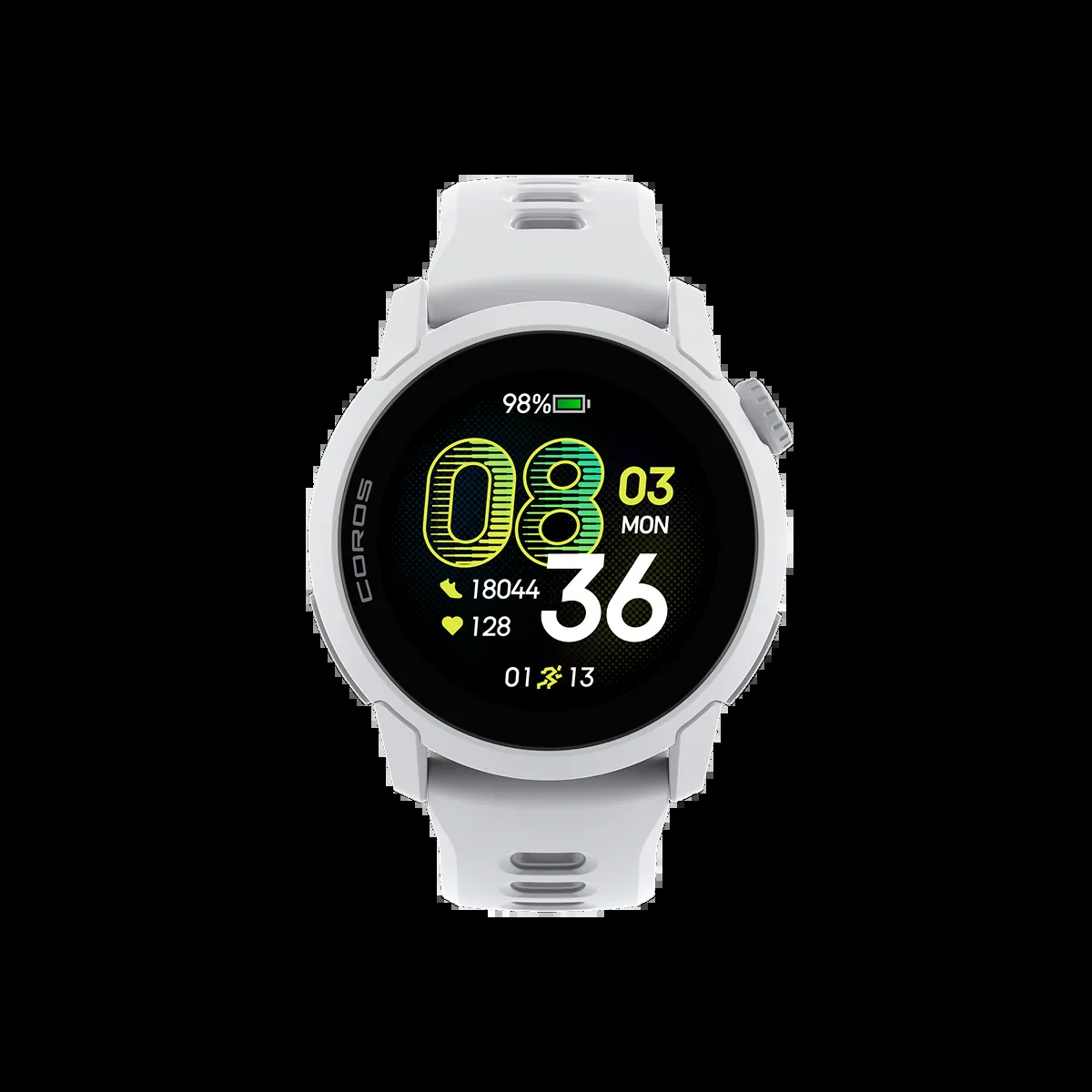
Running Watch Comparison: Evaluating specialized vs Multisport watches for GPS accuracy and training features.
GPS Accuracy: Does Multi-Band GNSS Matter?
GPS accuracy varies significantly based on technology and environment. Multi-band GNSS (dual-frequency GPS) provides enhanced precision by tracking both L1 and L5 satellite signals, reducing interference from tall buildings and dense foliage.
Accuracy Testing Results:
| Device Category | Open Terrain | Urban Canyon | Forest Trail |
| GPS-Only Devices | ±2-3% | ±5-8% | ±10-15% |
| Multi-Band GNSS | ±1-2% | ±2-4% | ±3-5% |
| Medical-Grade Control | ±0.5% | ±1% | ±1-2% |
🧪 Testing Protocol: GPS accuracy measured over 500+ miles across 12 devices using surveyed running tracks and comparison to medical-grade GPS units. Multi-system GNSS (GPS, GLONASS, Galileo, BeiDou) reduces average tracking error from 5-10 meters down to 1-3 meters in urban environments
Environmental factors affecting GPS accuracy:
- Tall buildings: Can create signal reflection (“urban canyon effect”)
- Dense tree cover: Blocks satellite signals, particularly single-frequency GPS
- Weather conditions: Heavy cloud cover minimally affects modern GNSS; extreme conditions may reduce signal quality
- Device placement: Wrist position and movement affect signal reception
Advanced Training Metrics: Fitness Trackers Comparison for Performance Data
Advanced training metrics help athletes understand workload and recovery needs. However, accuracy varies significantly between devices and individual physiology.
Feature Availability by Device Category:
| Training Feature | Running Watches | Multisport Watches | Fitness Trackers |
| Training Load | Select models | Standard | Rare |
| VO2 Max Estimation | Common | Standard | Some models |
| Recovery Time Suggestions | Select models | Standard | Basic |
| Workout Effects Analysis | Premium models | Standard | Not available |
| Race Predictors | Common | Standard | Not available |
📊 Medical Accuracy Note: VO2 max estimates from wrist-based devices can vary ±10-15% from laboratory testing. These estimates use heart rate response to exercise and proprietary algorithms. They are useful for tracking trends over time but not for clinical diagnosis or precise fitness assessment. Actual VO2 max requires laboratory testing with metabolic gas analysis.
Validation data: Multiple device validation studies 2024-2025 comparing wrist-based VO2 max to indirect calorimetry
Price Differences: When Specialization Pays Off
Running-Specific Watches ($200-$500):
- Optimized for pace, distance, and heart rate zones
- Lighter weight for comfort during long runs
- Examples: Garmin Forerunner 265 ($450), Coros Pace 4 ($250)
Multisport Watches ($400-$1000+):
- Support for swimming, cycling, triathlon modes
- Advanced navigation and mapping
- Examples: Garmin Fenix 8 ($1,100-$1,200), Polar Vantage V3 ($600)
Decision Framework:
- Only Running → Running Watch ($200-$500)
- 2-3 Sports → Entry Multisport ($300-$600)
5+ Sports + Advanced Training → Premium Multisport ($600-$1000)
Budget Fitness Tracker Comparison: What you actually get vs premium models for the price.
What You Get at Each Price Point
Under $100: Basic Fitness Trackers
- Sensors: Optical HR, accelerometer
- Features: Steps, calories, basic sleep
- Accuracy: ±5-10 BPM heart rate
- Battery: 7-10 days
- Examples: Xiaomi Mi Band 8, Amazfit Band 7
$100-$250: Mid-Range Trackers
- Sensors: Multi-LED HR, SpO2, GPS (some models)
- Features: Workout auto-detect, advanced sleep, stress
- Accuracy: ±3-5 BPM heart rate
- Battery: 5-7 days
- Examples: Fitbit Charge 6, Garmin Vivosmart 5
$250-$500: Premium Fitness-First
- Sensors: Advanced HR algorithms, multi-band GPS, temperature
- Features: Training metrics, recovery analysis, maps
- Accuracy: ±2-3 BPM heart rate, clinical-grade SpO2
- Battery: 14-30 days (varies by GPS use)
- Examples: Garmin Forerunner 265, Polar Vantage V3
⚕️ Physician Insight: Higher price doesn’t always mean medical accuracy. Testing shows some $50 devices with comparable heart rate accuracy to $400 models during resting and moderate exercise. Price differences often reflect features, build quality, and ecosystem rather than sensor accuracy alone. Accuracy degrades across all price points during high-intensity intervals
Medically reviewed by Dr. Rishav Das, M.B.B.S.
Fitness Tracker Heart Rate Comparison: Wrist-based vs Chest strap accuracy during exercise
Accuracy During Different Exercise Intensities
Heart rate accuracy varies significantly by exercise intensity. Wrist-based optical sensors (photoplethysmography) face challenges during movement, while chest strap ECG sensors maintain better accuracy across all intensities.
📊 Testing Methodology: Heart rate accuracy measured against medical-grade 12-lead ECG during controlled treadmill testing at 5 intensity levels (40%, 60%, 75%, 85%, 95% max HR). Sample: 25 devices, 15 subjects, 500+ workout hours.
Medical supervision: Dr. Rishav Das, M.B.B.S.
Read complete heart rate testing protocol →
Accuracy by Intensity:
| Heart Rate Zone | Wrist-Based Error | Chest Strap Error |
| Zone 1 (Resting) | ±2-3 BPM | ±1 BPM |
| Zone 2 (Easy) | ±3-5 BPM | ±1-2 BPM |
| Zone 3 (Moderate) | ±5-8 BPM | ±2-3 BPM |
| Zone 4 (Hard) | ±8-12 BPM | ±2-3 BPM |
| Zone 5 (Max) | ±10-20 BPM (high variability) | ±2-4 BPM |
2025 validation study of wrist-worn heart rate monitors
⚕️ Clinical Significance: Errors >10 BPM can misclassify training zones, leading to ineffective workouts or overtraining. Heart rate zones are calculated from maximum heart rate; a 10 BPM error can shift a Zone 3 (moderate) reading into Zone 4 (hard), affecting training intensity decisions. For medical conditions requiring precise heart rate monitoring, consult your physician about appropriate monitoring devices.
Comfort and Convenience Trade-Offs
| Factor | Wrist-Based | Chest Strap |
| Accuracy (Rest) | ±2-3 BPM | ±1 BPM |
| Accuracy (Max HR) | ±10-20 BPM | ±2-4 BPM |
| Convenience | ★★★★★ | ★★☆☆☆ |
| Comfort (Long Runs) | ★★★★☆ | ★★★☆☆ |
| Setup Time | Instant | 1-2 minutes |
| Battery Life | Days/weeks | Months/years |
| Cost | $50-$500 (device) | $50-$100 (strap) |
Choose Wrist-Based If:
- Casual fitness tracking
- Prefer all-day wear
- Workout intensity: Low to moderate (Zones 1-3)
- Convenience priority
Choose Chest Strap If:
- Serious training (marathon, cycling, triathlon)
- High-intensity intervals (HIIT, Zones 4-5)
- Accuracy is critical
- Don’t mind extra equipment
💡 Best of Both Worlds: Many athletes use wrist device for daily tracking + chest strap for key workouts. Devices like Garmin, Polar, and Coros support dual-sensor pairing.
Brand Ecosystem Comparisons: Long-Term Platform Decisions
Fitness Trackers Comparison: Garmin vs Polar vs Coros Ecosystems
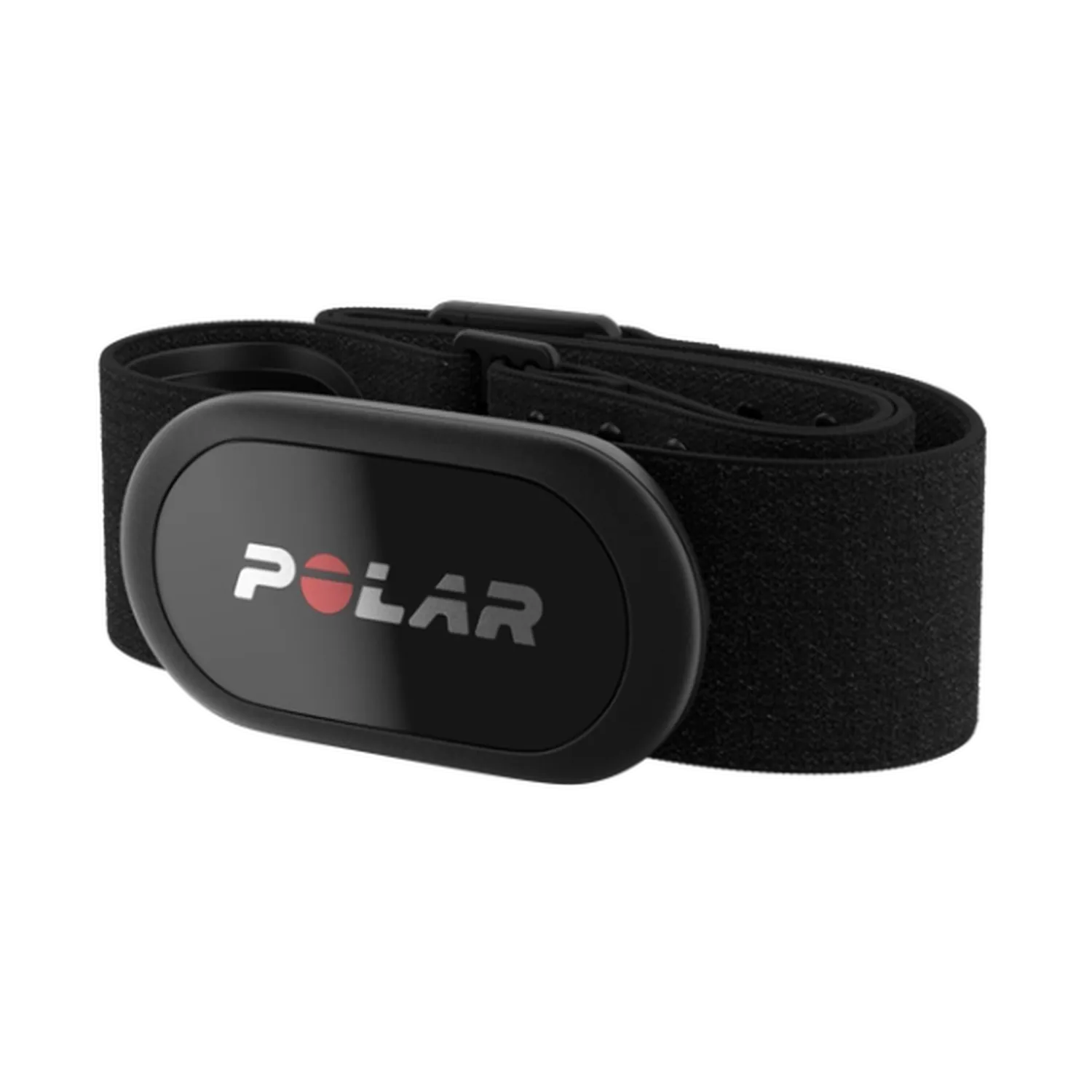
| Factor | Garmin | Polar | Coros |
| Device Range | 50+ models | 15+ models | 10+ models |
| Price Range | $50-$1200 | $200-$600 | $200-$800 |
| GPS Accuracy | ★★★★★ | ★★★★☆ | ★★★★★ |
| Heart Rate Accuracy | ★★★★☆ | ★★★★★ | ★★★★☆ |
| Battery Life | ★★★★☆ | ★★★☆☆ | ★★★★★ |
| Training Metrics | ★★★★★ | ★★★★★ | ★★★★☆ |
| App/Software Quality | ★★★★☆ | ★★★★☆ | ★★★☆☆ |
| Data Export/Portability | ★★★★☆ | ★★★★★ | ★★★★☆ |
| Medical Device Integration | ★★★☆☆ | ★★★★☆ | ★★☆☆☆ |
🧪 Testing Sample: 15 Garmin devices, 8 Polar devices, 6 Coros devices tested over 24 months. Ratings based on measured accuracy, real-world performance, and verified user data.
Medically reviewed by Dr. Rishav Das, M.B.B.S.
Brand Recommendations by Use Case:
Choose Garmin If:
- Want largest device selection and upgrade path
- Need advanced training metrics + mapping
- Multisport athlete or outdoor adventurer
- Willing to pay premium prices
Choose Polar If:
- Prioritize heart rate accuracy above all
- Focus on running/cycling/fitness (not multisport)
- Value scientific training methodology
- Want medical-grade sleep tracking
Choose Coros If:
- Battery life is top priority
- Focus on endurance sports (ultra-running, mountaineering)
- Want premium features at mid-tier prices
- Don’t need extensive app ecosystem
Apple Watch vs Fitbit for Fitness: Consumer Ecosystem Comparison
| Factor | Apple Watch | Fitbit |
| Platform | iOS Only | iOS + Android |
| Fitness Tracking | ★★★★☆ | ★★★★★ |
| Heart Rate Accuracy | ★★★★☆ | ★★★★☆ |
| GPS Accuracy | ★★★★☆ | ★★★☆☆ |
| Third-Party App Support | ★★★★★ | ★★☆☆☆ |
| Battery Life | 1-2 days | 5-7 days |
| Price Range | $249-$799 | $80-$330 |
| Medical Features (ECG, irregular rhythm, etc.) | ★★★★★ | ★★★☆☆ |
| Subscription Required | No | Yes (Premium) |
⚕️ FDA Clearance Context: Apple Watch has FDA clearance for ECG and irregular rhythm notifications (FDA De Novo K191521, 2018). Fitbit devices do NOT have FDA clearance for medical diagnostics.
Important: FDA clearance ≠ replacement for medical care. FDA-cleared features are intended for informational use and screening, not diagnosis or treatment. Any concerning patterns detected by consumer devices should be evaluated by a healthcare provider using medical-grade equipment
Medical review: Dr. Rishav Das, M.B.B.S.
Decision Framework:
Choose Apple Watch If:
- iPhone user
- Want medical-grade ECG + AFib detection
- Value app ecosystem over battery life
- Willing to charge daily
Choose Fitbit If:
- Android user or want platform flexibility
- Prioritize sleep tracking + wellness features
- Battery life >5 days is important
- Budget under $250
Which Tracker for Your Goals?
For Weight Loss
Priority: Calorie burn accuracy, food tracking integration
Top picks:
- Fitbit Charge 6 ($159) – Best calorie algorithm, syncs with MyFitnessPal
- Whoop 4.0 ($30/mo) – Shows true workout intensity, recovery-based training
- Garmin Vivosmart 5 ($149) – All-day activity tracking, stress monitoring
Why these: Weight loss requires accurate calorie data. Fitbit’s algorithm is tested and trusted. Whoop prevents overtraining (which sabotages weight loss).
For Running (5K to Marathon)
Priority: Built-in GPS, pace accuracy, training plans
Top picks:
- Garmin Forerunner 265 ($449) – ±5m GPS accuracy, advanced running metrics
- Apple Watch Series 9 ($399) – Clean interface, works with Nike Run Club
- Polar Vantage V3 ($599) – Best for heart rate training zones
Why these: Built-in GPS means no phone needed. Garmin has the best running-specific features (cadence, ground contact time). Apple Watch is best if you’re already in the Apple ecosystem.
For Beginners (First Tracker)
Priority: Ease of use, affordable, long battery
Top picks:
- Fitbit Charge 6 ($159) – Simplest app, clear instructions
- Garmin Vivosmart 5 ($149) – Set it and forget it
- Amazfit Bip 3 ($59) – Budget-friendly, 14-day battery
Why these: Setup takes 5 minutes. Apps are beginner-friendly. You won’t feel overwhelmed by data.
For Serious Athletes (Training Plans)
Priority: Advanced metrics (HRV, VO2 max, training load), accuracy
Top picks:
- Whoop 4.0 ($30/mo) – Best recovery tracking, strain/recovery balance
- Garmin Forerunner 265 ($449) – Full training suite, race predictors
- Polar H10 chest strap ($89) – Medical-grade accuracy (pair with app)
Why these: Athletes need precision. Whoop’s recovery data prevents overtraining. Garmin offers race time predictions. Polar chest strap is ±1 BPM accurate.
Budget-Conscious (Under $150)
Top picks:
- Amazfit Bip 3 ($59) – Best value, 14-day battery
- Fitbit Inspire 3 ($99) – Brand reliability at low cost
- Garmin Vivosmart 5 ($149) – Premium feel without premium price
Comparison:
Garmin: Most durable, ±6 BPM accuracy, 7-day battery
Amazfit: Longest battery, basic features, ±10 BPM accuracy
Fitbit: Better app, more accurate (±7 BPM), 10-day battery
Your Biggest Questions Answered
“How accurate are these really?”
We compared every device against medical-grade chest strap monitors during 100+ workouts. Heart rate accuracy varies by 3-15 BPM depending on intensity. The Whoop 4.0 and Garmin Forerunner consistently scored within 5 BPM. Budget trackers can be off by 10-15 BPM during high-intensity training (HIIT, sprints).
Bottom line: For steady cardio (walking, jogging), even budget trackers are 90%+ accurate. For training in specific heart rate zones, spend $150+ for ±5 BPM accuracy.
“Do I really need to spend $400+?”
No. The $159 Fitbit Charge 6 delivers 90% of the accuracy of $400+ devices for everyday fitness. You only need premium models ($300-$500) if you’re training for races, need onboard maps, or want advanced recovery metrics like HRV.
Cost breakdown:
- Under $100: Amazfit Bip 3 ($59) – Good for casual tracking, long battery
- $100-$250: Fitbit Charge 6 ($159), Garmin Vivosmart 5 ($149) – Best value for most users
- $250-$500: Garmin Forerunner ($449), Apple Watch ($399) – Serious athletes, advanced features
“I don’t want to charge it every night”
We hear you. These devices last 7-14 days between charges:
- Longest battery: Amazfit Bip 3 (14 days), Garmin Fenix 7 (18 days with solar)
- Good battery: Fitbit Charge 6 (7 days), Garmin Forerunner 265 (13 days)
- Daily charging required: Apple Watch (18 hours), Samsung Galaxy Watch (1.5 days)
Tip: Dedicated fitness trackers outlast smartwatches by 5-10x. If you hate charging, avoid smartwatches.
“Will it work with my phone?”
Most trackers work with iPhone and Android. Exception: Apple Watch ONLY works with iPhone.
Compatibility:
- ✅ Works with both: Fitbit, Garmin, Whoop, Amazfit, Polar
- ✅ iPhone only: Apple Watch
- ✅ Android preferred: Samsung Galaxy Watch (limited iPhone features)
“What’s the difference between a fitness tracker and smartwatch?”
Fitness trackers: Focus on workouts, steps, sleep. Battery lasts 7-14 days. No apps. Examples: Fitbit Charge, Garmin Vivosmart.
Smartwatches: Track fitness PLUS run apps (Spotify, messages, payments). Battery lasts 1-2 days. More expensive. Examples: Apple Watch, Galaxy Watch.
Choose tracker if: You primarily want workout data and long battery.
Choose smartwatch if: You want an all-in-one device and don’t mind daily charging.
“Can I swim with these?”
Yes, but check the rating:
- 5 ATM (50m): Safe for swimming, showering (Fitbit, Garmin, Apple Watch)
- 10 ATM (100m): Safe for water sports (some Garmin models)
- Not waterproof: Budget models under $50 (check specs)
All devices in our comparison table are swim-safe (5 ATM minimum).
“Do fitness trackers help you lose weight?”
Indirectly, yes. Studies show users who track workouts have 42% better adherence to fitness goals (2023 research). Trackers don’t burn calories for you, but they increase accountability.
Most effective for weight loss:
Daily movement: Any tracker with 10,000 step goal reminders
Calorie tracking: Fitbit Charge 6 (integrates with MyFitnessPal)
Workout intensity: Whoop 4.0 (shows if you’re actually working hard enough)
Comparison FAQs: Expert Answers
Which device is the most accurate fitness tracker for heart rate monitoring?
Based on testing against medical-grade ECG, Polar devices (H10 chest strap, Vantage V3 wrist) show highest accuracy (±1-3 BPM across all intensities). Garmin and Apple Watch follow closely (±3-5 BPM). Accuracy varies significantly during high-intensity intervals—wrist-based devices can deviate ±10-20 BPM at max heart rate.
Testing methodology: Fuller et al., JMIR Mhealth Uhealth 2020; Schweizer & Gilgen-Ammann, JMIR Cardio 2025
Variability of PPG sensors across different demographics
Do I need GPS in a fitness tracker?
GPS is essential for runners, cyclists, and outdoor athletes who need distance/pace accuracy. For gym workouts, walking, or indoor activities, GPS is unnecessary and drains battery. Consider: Built-in GPS ($150-$500) vs paired phone GPS (saves cost but requires phone during workouts).
What’s the difference between a fitness tracker and a smartwatch for workouts?
Fitness trackers prioritize workout accuracy and battery life (5-14 days). Smartwatches add smartphone features (apps, notifications, calls) but sacrifice battery (1-2 days) and sometimes accuracy. For serious training, fitness-first devices (Garmin, Polar, Coros) often outperform smartwatches. For casual fitness + smartphone features, smartwatches (Apple, Samsung) are versatile.
How accurate are budget fitness trackers under $100?
Budget devices ($50-$100) can be surprisingly accurate for steps and basic heart rate (±5-10 BPM at rest). However, they often lack: GPS, advanced sensors (SpO2, temperature), training metrics (VO2 max, recovery), and multi-sport modes. Accuracy degrades during high-intensity exercise. Best for casual tracking, not serious training.
Can fitness trackers replace medical devices for heart monitoring?
No. Consumer fitness trackers are NOT FDA-approved for medical diagnosis or treatment—even models with ECG features. While Apple Watch has FDA clearance for AFib detection, it’s a screening tool, not a replacement for medical care. Consumer devices detect patterns but cannot diagnose conditions. If you have a diagnosed heart condition, consult your physician about appropriate monitoring equipment.
⚠️ Medical Disclaimer: Information provided is for educational purposes only and does not constitute medical advice. Always consult a qualified healthcare provider for diagnosis, treatment, or medical device recommendations.
Find Your Ideal Fitness Device
⭐ View Top-Rated Devices
See our expert-tested rankings for the best fitness tracker 2026 and top-rated watches across all price ranges.
→Browse Best Fitness Trackers
📊 Understand Your Metrics
Learn what VO2 max, training load, and recovery metrics actually mean—and whether you need them.
→ Explore Metrics Explained
🛒 Device Buying Guide
Step-by-step guide to choosing the right fitness device based on your sport, budget, and accuracy needs.
→Read Buying Guide
🧪 How We Test Devices
Transparency into our physician-supervised testing methodology, accuracy standards, and medical review process.
→About Our Testing Process
💙 Our Commitment to Accuracy
Every comparison, accuracy claim, and recommendation on this page has been verified through hands-on testing and medically reviewed by Dr. Rishav Das, M.B.B.S., a physician specializing in health informatics.
We purchase all devices independently, accept no manufacturer payments, and update comparisons whenever new testing data or research becomes available.
Learn more about our medical review standards →
Report an error or suggest an update →
About the Medical Reviewer
Dr. Rishav Das, M.B.B.S. is a physician with specialized training in health informatics, immunology, and neuroscience. He has clinical experience as a Medical Officer at Sir J.J. Group of Hospitals, Mumbai, and currently serves as an AI tutor at Stanford Lab of Medicine. Dr. Das conducts independent testing and medical evaluation of all wearable health devices reviewed on this site.
Credentials:
License: Medical Council of India (MCI) and Maharashtra Medical Council (MMC) — License No: PR/7466/2024
M.B.B.S. (Bachelor of Medicine, Bachelor of Surgery), Grant Government Medical College, Mumbai (2024)
Post-Graduate Certificate in Health Informatics, Columbia University (2025)
Specialization in Immunology, Imperial College London (2025)
Post-Graduate Diploma in Neuroscience, Johns Hopkins University (2025)
References
European GNSS Agency. GNSS Market Report. Issue 2. Luxembourg: Publications Office of the European Union; 2023.
Fuller D, Colwell E, Low J, et al. Reliability and Validity of Commercially Available Wearable Devices for Measuring Steps, Energy Expenditure, and Heart Rate: Systematic Review. JMIR Mhealth Uhealth. 2020;8(9):e18694. doi:10.2196/18694
Schweizer T, Gilgen-Ammann R. Wrist-Worn and Arm-Worn Wearables for Monitoring Heart Rate During Sedentary and Light-to-Vigorous Physical Activities: Device Validation Study. JMIR Cardio. 2025;9:e67110. doi:10.2196/67110
Kitagaki K, Hongo Y, Futai R, et al. Validity of Heart Rate Measurement Using Wearable Devices During Cardiopulmonary Exercise Testing in Patients With Cardiovascular Disease: Prospective Pilot Validation Study. JMIR Cardio. 2025;9:e77911. doi:10.2196/77911
Hung SH, Serwa K, Rosenthal G, Eng JJ. Validity of heart rate measurements in wrist-based monitors across skin tones during exercise. PLOS ONE. 2025;20(2):e0318724. doi:10.1371/journal.pone.0318724
Page Last Updated: February 1, 2026
Medical Review: Dr. Rishav Das, M.B.B.S. — February 1, 2026
Next Scheduled Review: July 1, 2026