
Best Respiratory Devices for Home Use (2026): Doctor-Reviewed Guide
An evidence-informed guide to respiratory devices for home use. Compare clinical specs for the best oximeter, CPAP machines, nebulizers, and more.
Written by Dr. Rishav Das, M.B.B.S.
Wellness Device Data Analyst | Consumer Device Accuracy Specialist
Reviewed according to the medical standards outlined on our About page
Introduction
This guide is for adults managing a respiratory condition at home — and for caregivers helping a family member do the same. Whether you’re newly diagnosed, post-hospitalization, or looking to upgrade an aging device, we’ve done the clinical homework so you don’t have to.
Not sure where to start? For most home monitoring needs without a prescription, the Masimo MightySat Rx (pulse oximeter) + Wellue O2Ring (overnight monitoring) covers the majority of use cases. → See why
If you’ve been sent home from the hospital with new equipment instructions — or told by your doctor to “monitor your oxygen levels” — the options online can feel overwhelming. This guide cuts through the noise. Every device here has been clinically evaluated, FDA-cleared (where applicable), and selected for real-world home use. This content is educational and does not constitute medical advice. Consult your healthcare provider before purchasing prescription devices.
This content is educational. It does not constitute medical advice, a diagnosis, or a prescription recommendation.
Medical Disclaimer and Selection Criteria
Medical Disclaimer
| Disclaimer Element | Statement |
| Content Purpose | This page is for educational and informational purposes only. |
| Not Medical Advice | Nothing on this page constitutes medical advice, a diagnosis, or a treatment recommendation. |
| Consult a Provider | Consult a licensed healthcare provider before purchasing or using any respiratory device, particularly CPAP machines and oxygen concentrators, which may require a prescription. |
| Accuracy of Information | Device specifications, availability, pricing, and regulatory status are subject to change. Verify current status with the manufacturer and your healthcare provider. |
| Prescription Notice | CPAP machines and home oxygen concentrators typically require a prescription from a licensed physician in the United States. |
| FDA Clearance | Regulatory clearance status shown reflects publicly available FDA 510(k) data at time of publication. Users should independently verify current status at fda.gov. |
Common Frustrations We Hear
Buyers in this category consistently run into the same questions before purchasing:
- “The price seems high — is there a more affordable option?” → For non-prescription monitoring, the Microlife Peak Flow Meter ($15–$25) and a basic CE-marked pulse oximeter cover essential daily tracking at low cost.
- “I don’t know if I need a prescription for this.” → See our Prescription Required column in the comparison table. CPAP machines and oxygen concentrators always require one in the U.S.
- “I’m not sure if my insurance will cover it.” → See the Insurance Coverage section below.
- “I’m worried I’ll buy the wrong device for my condition.” → Use the Match Device to Clinical Need table in How to Choose, or bring this page to your next provider appointment.
How We Select Products
Our editorial team evaluates devices against a standardized, multi-criteria framework. No manufacturer relationships, affiliate priorities, or sponsorships influence rankings.
Evaluation Criteria Matrix
| Criteria Category | Specific Factors Assessed | Weight in Evaluation |
| Clinical Accuracy | Accuracy specs (±SpO₂ %), clinical validation data, study citations | High |
| Regulatory Status | FDA 510(k) clearance, CE marking, ISO certification | High |
| Safety Profile | Alarm systems, failure modes, user safety warnings, recall history | High |
| Ease of Use | Interface design, setup complexity, readability for older adults | Moderate |
| Portability | Size, weight, battery life, travel compatibility | Moderate |
| Connectivity | Bluetooth, companion app, EHR integration capability | Moderate |
| Durability & Build | Materials, warranty, ingress protection rating | Moderate |
| Value Alignment | Price relative to clinical capability — not lowest cost prioritized | Contextual |
- Best Respiratory Devices for Home Use (2026): Doctor-Reviewed Guide
- Introduction
- Medical Disclaimer and Selection Criteria
- Best Pulse Oximeter for Home Monitoring & Chronic Respiratory Conditions
- Best Wearable Oxygen Monitor
- Best CPAP Machine for Obstructive Sleep Apnea (Prescription Required)
- Best Travel CPAP
- Best Nebulizer for Home Use
- Best Portable Nebulizer
- Best Portable Oxygen Concentrator for Travel & Daily Use (Prescription Required)
- Best Peak Flow Meter
- Quick Comparison Table
- Will Insurance or Medicare Cover This?
- How to Choose
- Quick Reference: Key Terms Explained
- References
- About the Medical Reviewer
Best Pulse Oximeter for Home Monitoring & Chronic Respiratory Conditions
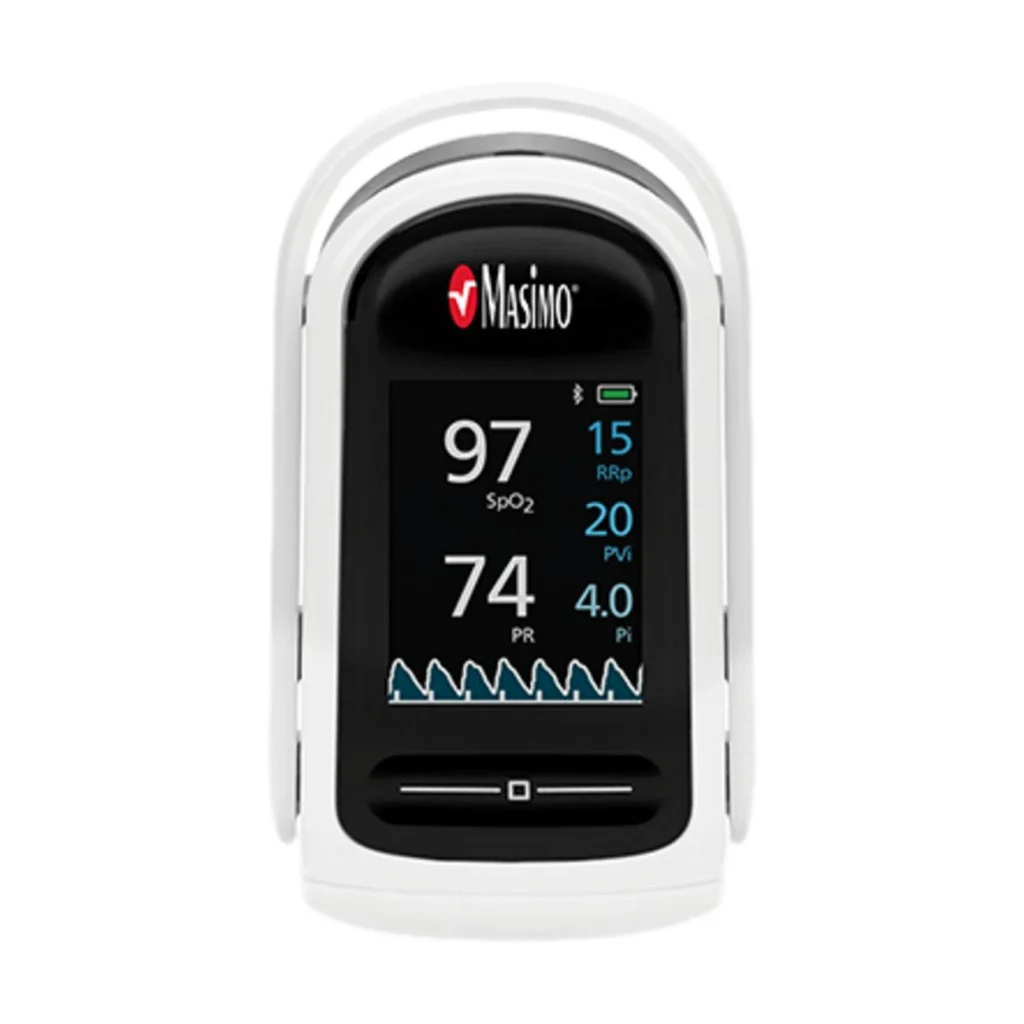
Masimo MightySat Rx
Best For: General home monitoring, post-discharge tracking, chronic respiratory conditions
Prescription Required: No (for SpO₂ monitoring use; consult provider for interpretation)
Key Specifications
| Specification | Value |
| SpO₂ Measurement Range | 70–100% |
| SpO₂ Accuracy | ±2% (at 70–100% range) |
| Pulse Rate Range | 25-240 BPM |
| FDA 510(k) Clearance | Yes (K082856) |
| Display Type | OLED multi-directional |
| Battery Life | 3,000+ spot checks |
| Bluetooth / App | Yes (MightySat App compatible) |
| Weight | 65 g |
| Suitable for Nail Polish / Dark Skin Tones | Validated across Fitzpatrick skin types I-VI per manufacturer data |
Clinical Note on Skin Tone Accuracy: The FDA issued guidance in 2022 on pulse oximeter accuracy in individuals with darker skin pigmentation. Accuracy claims have been contextualized against available validation data across skin tones. [1, 2]
Pros and Cons
| ✅ Pros | ⚠️ Cons |
| Medical-grade accuracy validated in clinical studies | Higher price point than consumer models |
| FDA-cleared for clinical use | Requires periodic calibration checks |
| Perfusion index display provides signal quality feedback | Larger form factor than basic fingertip models |
Who This Device May Be Appropriate For
- Adults monitoring SpO₂ levels at home during recovery from respiratory illness
- Individuals with COPD, asthma, or heart conditions under physician supervision
- Caregivers monitoring family members with documented chronic hypoxemia
- Post-operative patients following physician-directed discharge monitoring plans
Caregivers: This device is frequently purchased for monitoring an elderly parent at home. The Bluetooth app allows readings to be reviewed remotely or shared with a physician.
⚠️ Clinical Note: Pulse oximetry is a screening tool, not a diagnostic instrument. Abnormal readings should prompt immediate consultation with a healthcare provider. SpO₂ readings may be affected by peripheral circulation, motion artifact, nail polish, and pigmentation. [1, 2]
★★★★★ “My pulmonologist recommended this exact model. The readings match the clinic’s machine perfectly.” — Verified purchase
Best Wearable Oxygen Monitor
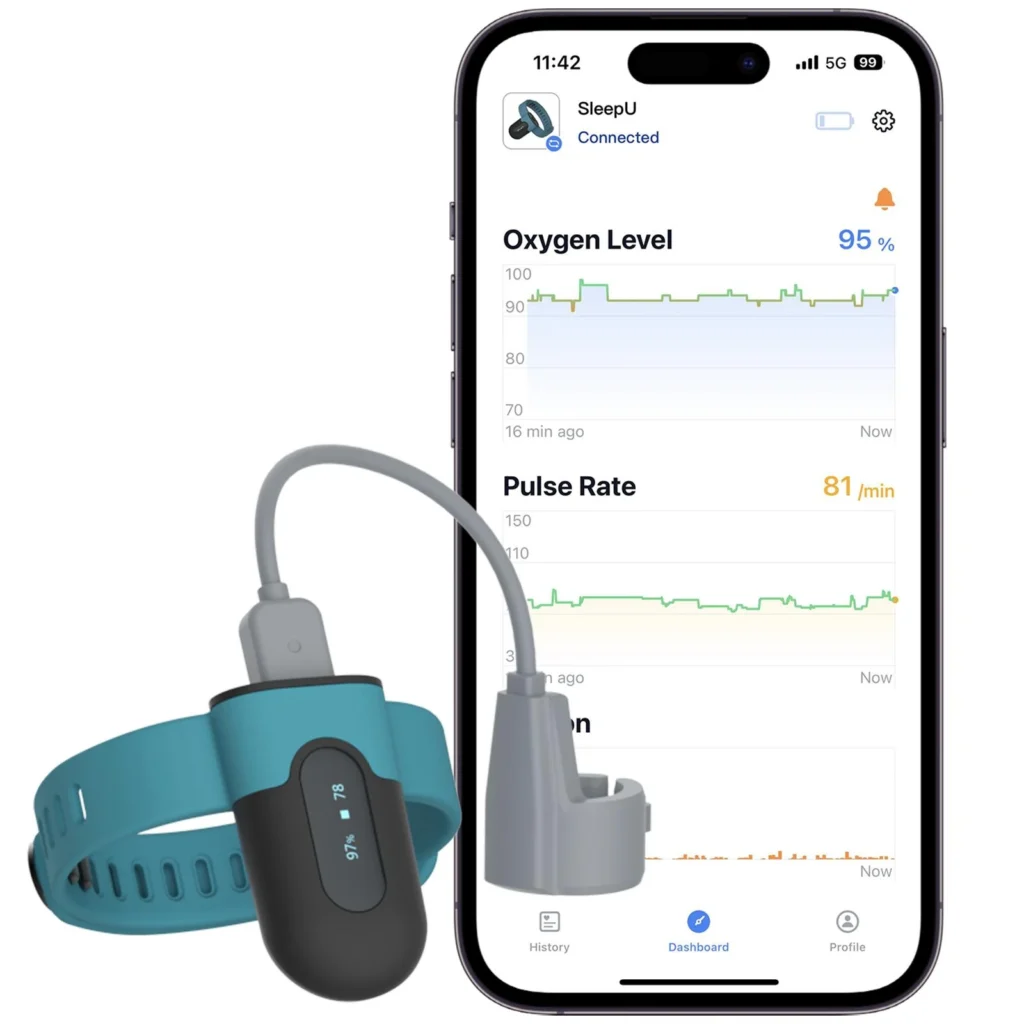
Wellue O2Ring
Best For: Overnight SpO₂ monitoring, sleep-disordered breathing screening, continuous trend tracking
Prescription Required: No (for wellness/screening; sleep study interpretation requires clinical oversight)
Key Specifications
| Specification | Value |
| Form Factor | Ring (worn on finger) |
| Monitoring Duration | Continuous — up to 16 hours per charge |
| SpO₂ Accuracy | ±2% (70-100% range) |
| Alarm Function | Yes; customizable low SpO₂ and pulse rate thresholds |
| App / Data Export | Yes; PDF report capability, data shareable with providers |
| FDA 510(k) or CE Status | CE marked; FDA listed as wellness device |
| Battery Life | 12-16 hours continuous monitoring |
| Sleep Report Capability | Yes; provides overnight SpO₂ trends and desaturation events |
Pros and Cons
| ✅ Pros | ⚠️ Cons |
| Track oxygen levels all night without waking up — and share the data report with your doctor the next morning | Ring sizing requires proper fit for accuracy |
| Vibration alerts for low SpO₂ events | May cause finger discomfort during extended wear |
| Exportable data for physician review | Wellness device classification — not diagnostic-grade |
Clinical Considerations for Wearable SpO₂ Monitors
- Wearable monitors marketed as wellness devices may not carry the same FDA clearance as clinical-grade pulse oximeters. [2]
- Overnight desaturation data from wearables may support — but does not replace — a formal polysomnography sleep study for diagnosing sleep apnea. [3]
- Data interpretation should involve a qualified healthcare provider.
Caregivers: The vibration alert means you don’t have to watch a screen overnight. The morning PDF report can be emailed directly to the care recipient’s physician.
★★★★☆ “I was skeptical about a ring monitor, but it caught three desaturation events my doctor actually wanted to see. Worth every penny.” — Verified purchase
Best CPAP Machine for Obstructive Sleep Apnea (Prescription Required)
⚠️ PRESCRIPTION REQUIREMENT NOTICE
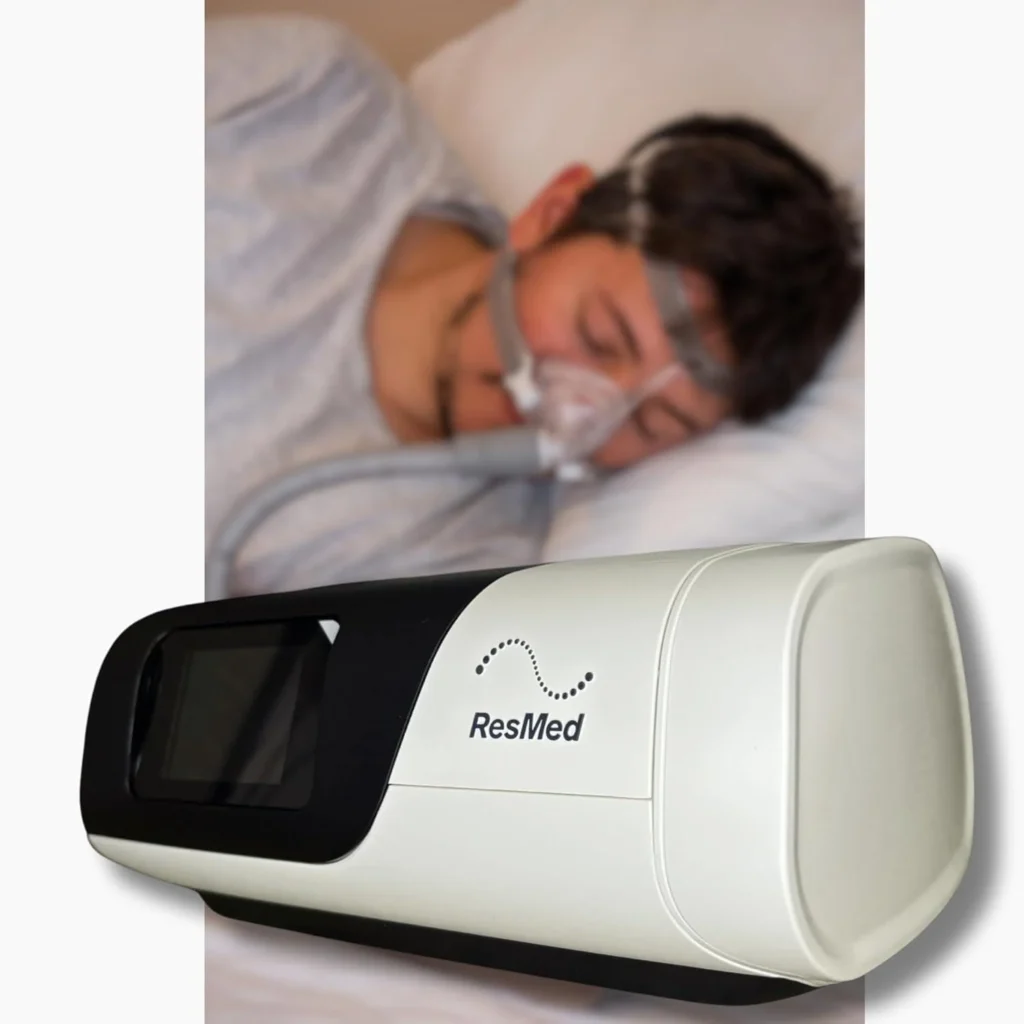
ResMed AirSense 11 AutoSet
Best For: Diagnosed obstructive sleep apnea (OSA), physician-prescribed CPAP therapy
Prescription Required: ✅ YES — A valid prescription from a licensed physician is required for purchase in the United States.
🔴 Recall Notice Check: Users and editors must independently verify the current recall status of any CPAP product listed. Check fda.gov/medical-devices/recalls-corrections-and-removals for current status before purchasing. [4]
About the Philips Respironics Recall: The 2021 FDA recall affected older Philips DreamStation and System One models due to foam degradation concerns. The ResMed AirSense 11 featured on this page is not a Philips product and has no active recalls as of the page review date. Always verify current recall status at fda.gov/medical-devices/recalls-corrections-and-removals before purchasing any CPAP device.
Key Specifications
| Specification | Value |
| Device Type | Auto-CPAP (APAP) |
| Pressure Range | 4-20 cm H₂O |
| Humidifier | Integrated heated humidifier |
| Noise Level | 26.6 dBA at 10 cm H₂O |
| Data Tracking | AHI, leak rate, usage hours, pressure delivery |
| App Connectivity | Yes (myAir app for daily therapy insights) |
| FDA Clearance | Yes (K203626) |
| Dimensions / Weight | 10.04 x 4.65 x 5.91 in / 2.75 lbs |
| Warranty | 2 years manufacturer warranty |
Pros and Cons
| ✅ Pros | ⚠️ Cons |
| AutoSet algorithm adjusts pressure automatically | Requires electrical outlet or battery pack for travel |
| Integrated humidification reduces dryness | Larger footprint than travel CPAP models |
| Quiet operation well-tolerated by most users | Higher cost than basic fixed-pressure CPAP |
CPAP Setup and Safety Notes
- CPAP therapy titration pressure must be determined by a licensed sleep medicine physician or respiratory therapist. [5]
- Device cleaning and filter replacement schedules should follow the manufacturer’s Instructions for Use (IFU) and provider guidance.
- Patients experiencing mask leak, aerophagia, or treatment-emergent central sleep apnea should report symptoms to their prescribing provider.
★★★★★ “Quieter than my old machine and the app makes it easy to share data with my sleep doctor before appointments.” — Verified purchase
Best Travel CPAP
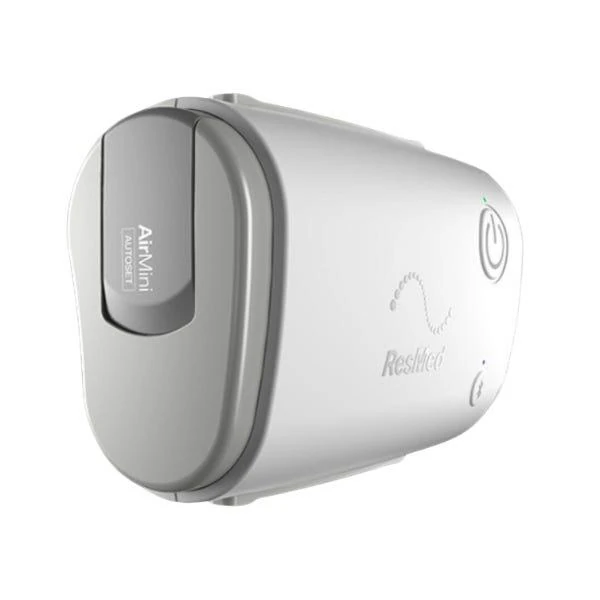
ResMed AirMini AutoSet
Best For: Diagnosed OSA patients requiring portable CPAP therapy during travel
Prescription Required: ✅ YES
Key Specifications
| Specification | Value |
| Weight | 300 g (10.6 oz) |
| Dimensions | 5.4 x 3.3 x 2.1 in |
| FAA Carry-On Approved | Yes — complies with FAA carry-on medical device regulations |
| Battery Compatible | Yes (external battery available separately) |
| Humidification | Waterless HumidX technology |
| Pressure Range | 4-20 cm H₂O |
| Data Export | Yes via AirMini app |
| FDA Clearance | Yes (K171784) |
Pros and Cons
| ✅ Pros | ⚠️ Cons |
| Compact for air travel — fits in carry-on easily | Waterless humidification less effective than heated systems |
| FAA-compliant for in-flight use | Requires ResMed-specific mask compatibility |
| Smartphone app for settings adjustment | May require separate battery purchase for camping |
Travel CPAP Considerations
- FAA regulations permit CPAP devices as carry-on medical equipment. Users should carry a letter from their prescribing provider and a copy of their prescription when traveling by air. [6]
- Waterless humidification systems vary in effectiveness compared to standard heated humidifiers. Patient preference and comfort should guide selection in consultation with a provider.
Best Nebulizer for Home Use
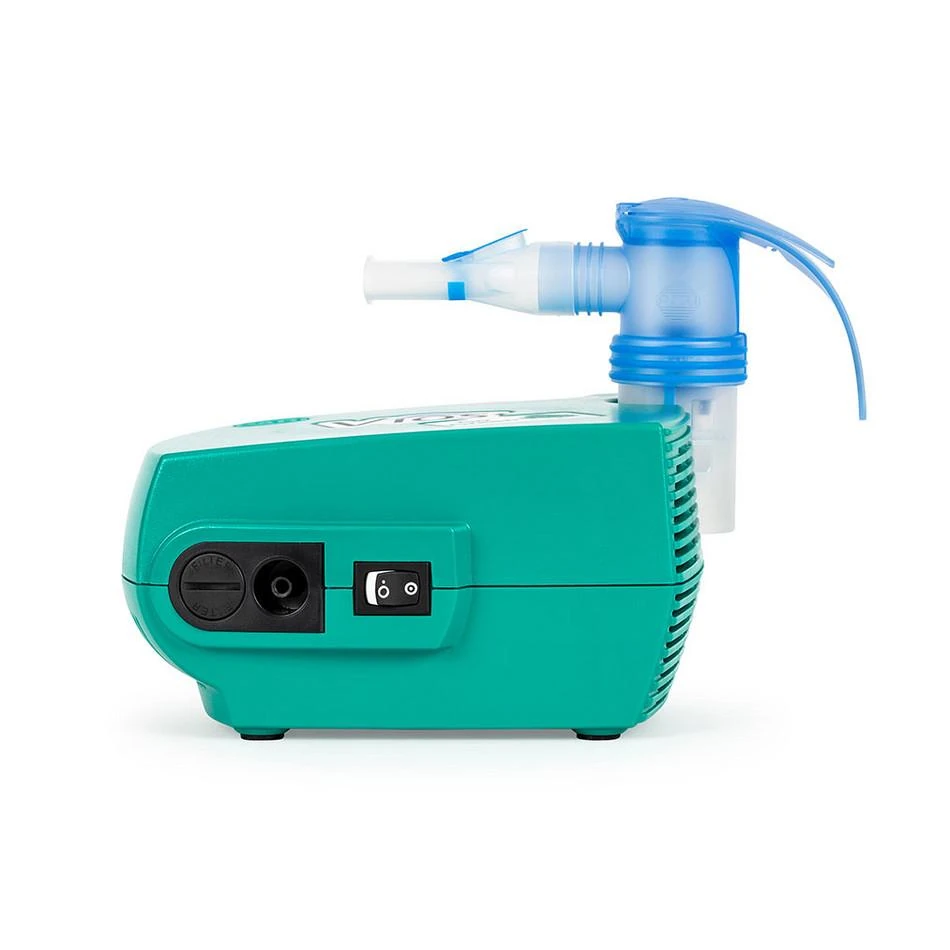
PARI LC Sprint Reusable Nebulizer
Best For: Home aerosolized medication delivery for asthma, COPD, cystic fibrosis (under physician direction)
Prescription Required: Device: typically No. Medications: typically Yes.
Key Specifications
| Specification | Value |
| Nebulizer Type | Jet nebulizer |
| Nebulization Rate | 0.3 mL/min |
| Particle Size (MMAD) | 3.8 µm (fine particles for lower airway deposition) |
| Treatment Time | 6-8 minutes (for standard 2.5 mL fill) |
| Noise Level | 52 dBA at 50 PSI |
| FDA 510(k) Clearance | Yes (K944363) |
| Compatible Medications | Confirm with prescribing provider and manufacturer |
| Warranty | 1 year manufacturer warranty |
⚠️ Clinical Note: Nebulizer particle size (MMAD) is clinically significant. Particles 1–5 µm are associated with lower airway deposition, which is typically the therapeutic target for asthma and COPD. Particles >5 µm are associated with upper airway deposition. [7]
Pros and Cons
| ✅ Pros | ⚠️ Cons |
| Clinically validated particle size for bronchodilator delivery | Requires air compressor (sold separately or as kit) |
| Durable construction withstands daily use | Louder than mesh nebulizers |
| Widely compatible with standard respiratory medications | Treatment time longer than ultrasonic models |
Nebulizer Maintenance and Safety
- Nebulizer cups, mouthpieces, and masks must be cleaned after each use per manufacturer and CDC guidance to prevent microbial contamination. [8]
- Medication compatibility must be confirmed with a pharmacist or prescribing provider before use.
Best Portable Nebulizer
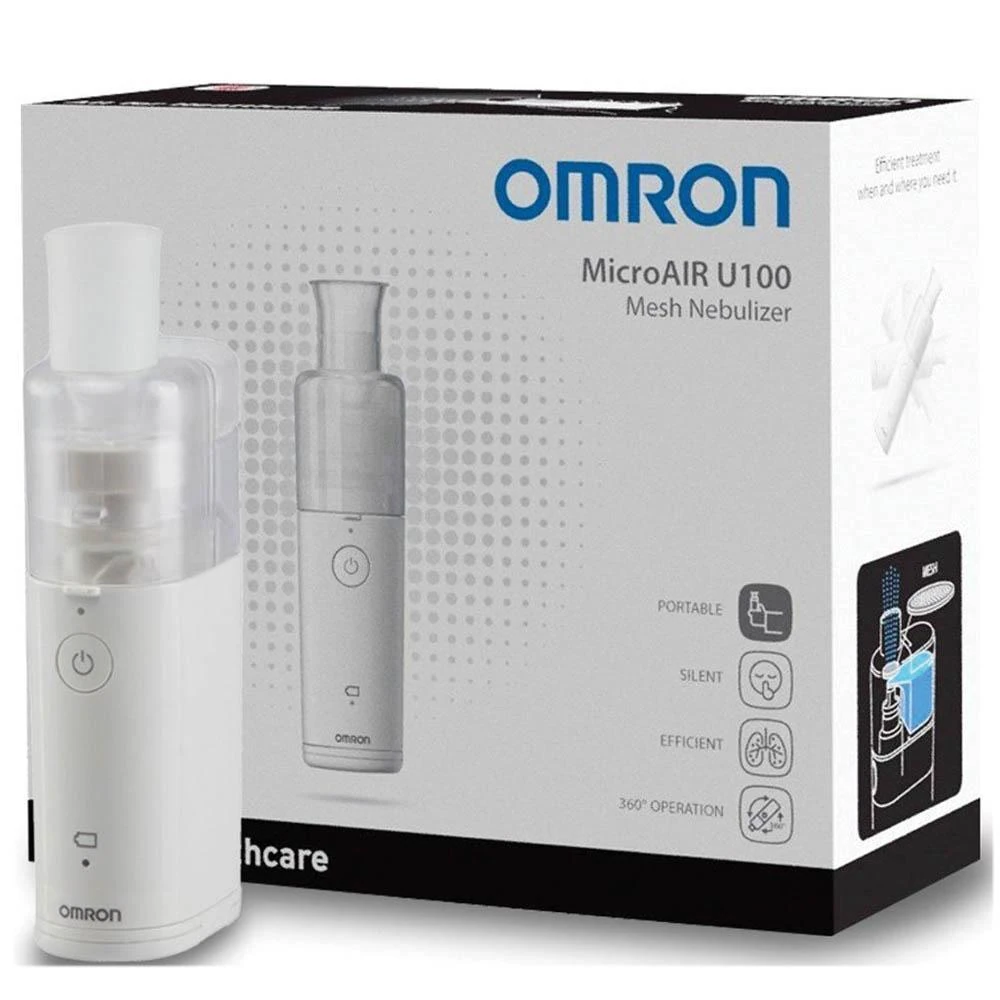
Omron MicroAIR U100
Best For: On-the-go medication delivery, adults with active lifestyles managing asthma or COPD
Prescription Required: Device: typically No. Medications: typically Yes.
Key Specifications
| Specification | Value |
| Type | Mesh nebulizer |
| Weight | 97 g (3.4 oz) |
| Battery Life | Approximately 30 treatments per charge |
| Charging Method | USB rechargeable |
| Nebulization Rate | 0.25 mL/min |
| Particle Size (MMAD) | 4.7 µm (respirable range) |
| Noise Level | Silent operation (<35 dBA) |
| FDA Clearance | Yes (K171926) |
Pros and Cons
| ✅ Pros | ⚠️ Cons |
| Silent operation suitable for public use | Higher cost than traditional jet nebulizers |
| USB rechargeable — no batteries required | Mesh may clog with suspension medications; requires regular cleaning |
| Pocket-sized portability | Medication reservoir capacity limited to 7 mL |
Best Portable Oxygen Concentrator for Travel & Daily Use (Prescription Required)
⚠️ PRESCRIPTION REQUIREMENT NOTICE
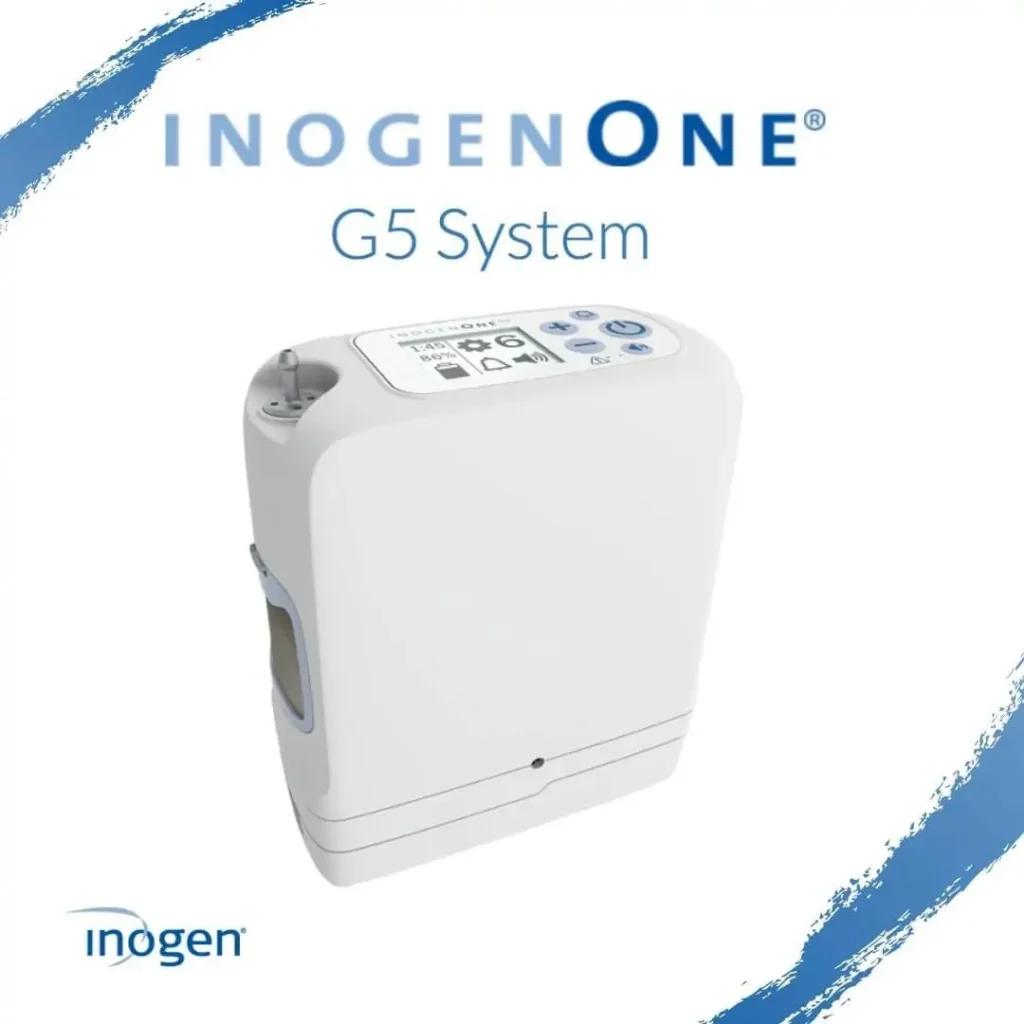
Inogen One G5
Best For: Ambulatory supplemental oxygen therapy under physician prescription
Prescription Required: ✅ YES — Supplemental home oxygen requires a physician’s prescription in the United States, based on documented hypoxemia (typically SpO₂ ≤88% on room air at rest). [9]
Key Specifications
| Specification | Value |
| Oxygen Output (Settings) | Pulse dose settings 1-6 (310 mL per breath at setting 2) |
| Oxygen Concentration | 87-95.6% O₂ (per FAA and CMS standards) |
| Battery Life (Single) | Up to 6.5 hours at setting 2 |
| Battery Life (Extended) | Up to 13 hours with double battery |
| FAA Approved | Yes — approved for air travel |
| Weight | 4.7 lbs (single battery) |
| Sound Level | 38 dBA at setting 2 |
| FDA 510(k) Clearance | Yes (K180477) |
| Warranty | 3 years manufacturer warranty |
Pros and Cons
| ✅ Pros | ⚠️ Cons |
| FAA-approved for air travel without restrictions | Pulse-dose only — may not meet continuous flow needs |
| Long battery life supports full-day mobility | Higher upfront cost than stationary concentrators |
| Lightweight and backpack-portable | Audible alert sounds during breath detection |
Is the upfront cost worth it?
Medicare-approved oxygen rental typically costs $150–$250/month. For frequent travelers or full-time ambulatory oxygen users, purchasing the Inogen One G5 often pays for itself within 12–18 months compared to long-term rental fees. Ask your DME supplier about rental-to-own programs or 0% financing options.
Oxygen Concentrator Safety and Prescribing Context
- Home oxygen therapy is indicated for patients with documented chronic hypoxemia. Prescription thresholds are defined by CMS criteria (SpO₂ ≤88% at rest, or ≤89% during activity or sleep with supporting documentation). [9]
- Oxygen concentrators do not provide 100% oxygen — output concentration typically ranges from 87–95.6% per FDA and FAA standards. [10]
- Patients should never adjust oxygen flow rates without physician guidance.
- Keep oxygen concentrators away from open flames. Follow all fire safety guidelines in the device IFU.
Caregivers: Coordinating supplemental oxygen for a family member? The 3-year warranty and FAA approval make this a durable choice for active patients. Ask the DME supplier about rental-to-own programs.
Best Peak Flow Meter
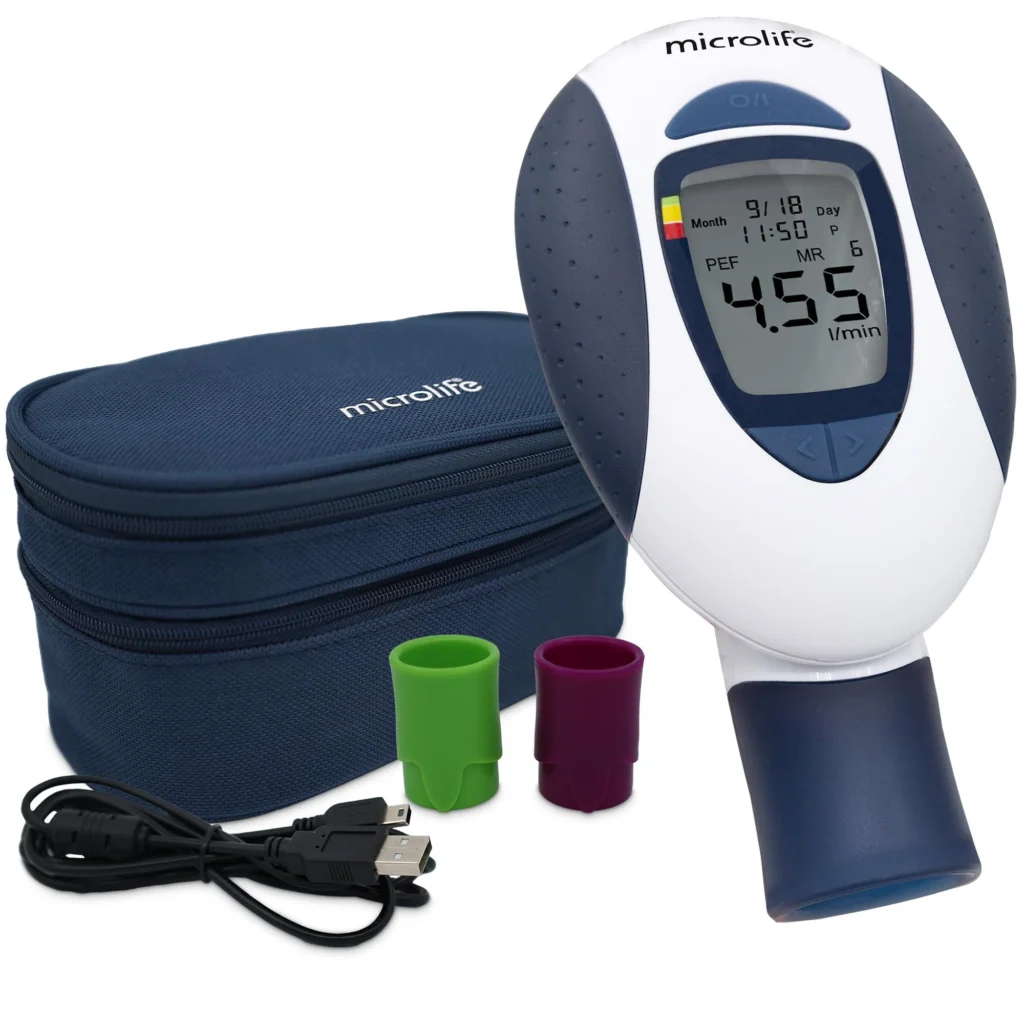
Microlife Peak Flow Meter (Standard Range)
Best For: Daily asthma monitoring and action plan tracking under physician guidance
Prescription Required: No — available OTC; interpretation requires clinician-developed Asthma Action Plan
Key Specifications
| Specification | Value |
| Measurement Range | 60–880 L/min (standard adult range) |
| Scale Type | EN 13826 / ATS standard compliant |
| Type | Mechanical |
| Portability | Compact, pocket-sized design |
| Data Logging | No (manual recording required) |
| FDA Clearance | Yes (K143276) |
| Replaceable Mouthpiece | Yes |
Pros and Cons
| ✅ Pros | ⚠️ Cons |
| Low cost, widely accessible | Technique-dependent; results vary by effort [11] |
| Supports physician-directed action plans | Not a diagnostic tool in isolation |
| Portable for daily monitoring | Requires manual logging of readings |
Peak Flow Monitoring — Clinical Context
- Peak expiratory flow (PEF) measurement is recommended by GINA (Global Initiative for Asthma) guidelines as a monitoring adjunct in asthma management. [12]
- A physician-developed personal Asthma Action Plan using the patient’s personal best PEF value is necessary for meaningful interpretation of readings.
- Declining PEF trends should be reported to a healthcare provider promptly.
Quick Comparison Table
| Device Category | Featured Product | Rx Required | FDA Cleared | Key Clinical Use | Approx. Price Range | Rating |
| Best Overall Pulse Oximeter | Masimo MightySat Rx | No | Yes | SpO₂ & pulse monitoring | $280-$320 ✅ HSA/FSA Eligible | ★★★★★ 4.7/5 |
| Best Wearable O₂ Monitor | Wellue O2Ring | No | CE marked | Continuous / overnight SpO₂ | $150-$180 ✅ HSA/FSA Eligible | ★★★★☆ 4.5/5 |
| Best CPAP Machine | ResMed AirSense 11 | ✅ Yes | Yes | OSA therapy — prescribed | $850-$1,100 ✅ HSA/FSA Eligible | ★★★★★ 4.8/5 |
| Best Travel CPAP | ResMed AirMini | ✅ Yes | Yes | Portable OSA therapy | $900-$1,000 ✅ HSA/FSA Eligible | ★★★★☆ 4.4/5 |
| Best Home Nebulizer | PARI LC Sprint | Device: No | Yes | Aerosolized medication delivery | $40-$60 (cup); compressor separate ✅ HSA/FSA Eligible | ★★★★☆ 4.3/5 |
| Best Portable Nebulizer | Omron MicroAIR U100 | Device: No | Yes | On-the-go medication delivery | $220-$280 ✅ HSA/FSA Eligible | ★★★★☆ 4.5/5 |
| Best Portable O₂ Concentrator | Inogen One G5 | ✅ Yes | Yes | Ambulatory O₂ therapy | $2,295-$2,595 ✅ HSA/FSA Eligible | ★★★★★ 4.6/5 |
| Best Peak Flow Meter | Microlife Standard Range | No | Yes | Asthma monitoring | $15-$25 ✅ HSA/FSA Eligible | ★★★★☆ 4.2/5 |
✅ All price ranges reflect approximate market data at time of publication.
✅ Rx Required status is based on U.S. federal requirements. Requirements vary internationally.
Get our free Respiratory Device Buyer’s Checklist — a one-page printable to bring to your next doctor’s appointment. [Your email] [Download Free →]
Will Insurance or Medicare Cover This?
CPAP machines and portable oxygen concentrators are classified as Durable Medical Equipment (DME) under Medicare Part B and most private insurance plans.
| Device | Coverage Eligibility | Typical Patient Cost | What You Need |
|---|---|---|---|
| CPAP Machine | Medicare Part B — 80% covered after deductible | ~20% of approved amount | Prescription + sleep study results |
| Portable O₂ Concentrator | Medicare Part B — 80% covered | ~20% of approved amount | Prescription + SpO₂ documentation (≤88% at rest) |
| Nebulizer | Medicare Part B — often covered | Varies by plan | Prescription for medications |
| Pulse Oximeter | Typically not covered as DME | Full out-of-pocket | N/A |
| Peak Flow Meter | Typically not covered | Full out-of-pocket | N/A |
How to start the coverage process:
- Ask your physician for a Letter of Medical Necessity (LMN)
- Confirm your insurer’s approved DME supplier list
- For Medicare, verify the supplier is Medicare-enrolled at medicare.gov/supplier
HSA/FSA accounts may be used to purchase pulse oximeters, nebulizers, and peak flow meters without insurance involvement. Confirm eligibility with your plan administrator.





How to Choose
Selecting a respiratory device for home use involves medical, practical, and safety factors that vary by individual. The following guidance is educational and should be reviewed with a qualified healthcare provider before any purchasing decision.
First-time buyer?
Your doctor’s recommendation is your most important guide — more important than any spec table. Bring this comparison page to your next appointment and ask: “Which category do I actually need, and does my insurance cover it?” The tables below will make that conversation faster.
Return policies: Most pulse oximeters, peak flow meters, and portable nebulizers are returnable within 30 days through major retailers. CPAP machines and oxygen concentrators may have limited return windows due to hygiene regulations — confirm retailer policy before purchasing. Prescription devices may need to be processed through a DME supplier rather than a standard retail channel.
Match Device to Clinical Need
| Clinical Situation | Suggested Device Category | Key Questions to Ask Your Provider |
| Monitoring oxygen levels at home during illness | Pulse Oximeter | What SpO₂ threshold should trigger a call to my provider? |
| Tracking SpO₂ overnight or during sleep | Wearable O₂ Monitor | Do I need a formal sleep study to interpret results? |
| Diagnosed obstructive sleep apnea | CPAP or Travel CPAP | What pressure setting has been prescribed for me? |
| Prescription supplemental oxygen therapy | Portable Oxygen Concentrator | What flow rate and dosing mode (continuous vs. pulse) has been prescribed? |
| Aerosolized medication administration | Home or Portable Nebulizer | Is this device compatible with my prescribed medications? |
| Daily asthma monitoring and action planning | Peak Flow Meter | What is my personal best PEF, and what are my action zone thresholds? |
Factors to Evaluate Before Purchase
| Factor | Why It Matters | What to Check |
| FDA Clearance | Indicates the device has passed U.S. regulatory review for safety and effectiveness | Search fda.gov/medical-devices for 510(k) clearance |
| Clinical Accuracy | Determines whether readings are medically reliable | Review manufacturer-published clinical validation studies |
| Skin Tone Validation | Accuracy may vary — FDA has flagged this for pulse oximeters | Ask whether the device was validated across diverse skin tones [1, 2] |
| Prescription Status | Some devices are legally restricted without an Rx | Confirm with prescribing provider and retailer |
| Insurance Coverage | DME coverage may apply for certain devices with a physician order | Contact your insurer and request a Letter of Medical Necessity if applicable |
| Ease of Use | Relevant for elderly users, those with limited dexterity, or caregivers | Check user interface complexity and available training resources |
| Portability | If travel or outdoor activity is needed | Confirm FAA approval for oxygen devices; check battery life |
When to Consult a Healthcare Provider Before Purchasing
The following situations require consultation with a licensed healthcare provider before purchasing or using a respiratory device:
- SpO₂ readings consistently below 94% at rest
- New or worsening shortness of breath
- Symptoms potentially consistent with sleep apnea (snoring, witnessed apneas, daytime sleepiness)
- Interest in supplemental oxygen therapy
- Managing a complex respiratory condition (COPD, pulmonary fibrosis, heart failure, cystic fibrosis)
- Pediatric use — device specifications and safety thresholds differ for children
This page is produced under the medical oversight standards described on our About page. For information about our review process, author credentials, and editorial standards, visit our About page.
Quick Reference: Key Terms Explained
| Term | Plain-Language Meaning |
|---|---|
| SpO₂ | Blood oxygen saturation — the percentage of your red blood cells carrying oxygen |
| AHI | Apnea-Hypopnea Index — how many times per hour breathing pauses or slows during sleep; used to measure sleep apnea severity |
| MMAD | The average droplet size produced by a nebulizer; smaller droplets reach deeper into the lungs |
| Pulse dose | Oxygen delivered in bursts when you inhale, rather than continuously; conserves battery in portable concentrators |
| Aerophagia | Air swallowing — a common CPAP side effect where pressurized air enters the stomach instead of the lungs |
| Polysomnography | A formal overnight sleep study conducted in a clinical lab; the gold standard for diagnosing sleep apnea |
| DME | Durable Medical Equipment — a Medicare/insurance category covering reusable medical devices like CPAPs and oxygen concentrators |
References
- U.S. Food and Drug Administration. Pulse Oximeter Accuracy and Limitations: FDA Safety Communication. February 19, 2021. Updated 2022. Available at: https://www.fda.gov/medical-devices/safety-communications/pulse-oximeter-accuracy-and-limitations-fda-safety-communication
- Sjoding MW, Dickson RP, Iwashyna TJ, Gay SE, Valley TS. Racial Bias in Pulse Oximetry Measurement. N Engl J Med. 2020;383(25):2477–2478. doi:10.1056/NEJMc2029240
- American Academy of Sleep Medicine. Clinical Practice Guideline for Diagnostic Testing for Adult Obstructive Sleep Apnea. J Clin Sleep Med. 2017;13(3):479–504. doi:10.5664/jcsm.6506
- U.S. Food and Drug Administration. Philips Respironics — Recall of Certain CPAP and BiPAP Devices. Available at: https://www.fda.gov/medical-devices/recalls-corrections-and-removals
- American Academy of Sleep Medicine. Clinical Guidelines for the Manual Titration of Positive Airway Pressure in Patients with Obstructive Sleep Apnea. J Clin Sleep Med. 2008;4(2):157–171.
- Federal Aviation Administration. Portable Oxygen Concentrators. Available at: https://www.faa.gov/passengers/fly_safe/portable_oxygen_concentrators
- Dolovich MB, Ahrens RC, Hess DR, et al. Device Selection and Outcomes of Aerosol Therapy: Evidence-Based Guidelines. Chest. 2005;127(1):335–371. doi:10.1378/chest.127.1.335
- Centers for Disease Control and Prevention. Guidelines for Preventing Health-Care–Associated Pneumonia, 2003. MMWR Recomm Rep. 2004;53(RR-3):1–36.
- Centers for Medicare & Medicaid Services. Local Coverage Determination: Home Oxygen Therapy (L33797). Available at: https://www.cms.gov
- U.S. Food and Drug Administration. Home Use Devices — Oxygen Concentrators. Available at: https://www.fda.gov/medical-devices/home-use-devices/oxygen-concentrators
- Reddel HK, Taylor DR, Bateman ED, et al. An Official American Thoracic Society/European Respiratory Society Statement: Asthma Control and Exacerbations. Am J Respir Crit Care Med. 2009;180(1):59–99. doi:10.1164/rccm.200904-0566ST
- Global Initiative for Asthma (GINA). Global Strategy for Asthma Management and Prevention. 2024 Update. Available at: https://ginasthma.org/reports/
- World Health Organization. Pulse Oximetry Training Manual. 2011. Available at: https://www.who.int/patientsafety/safesurgery/pulse_oximetry/en/
Page Last Reviewed: May 22, 2026
Next Scheduled Review: August 22, 2026
Medical Review: Dr. Rishav Das, M.B.B.S. — May 22, 2026
About the Medical Reviewer
Dr. Rishav Das, M.B.B.S., serves as the medical reviewer for Wearable Wellness Guide. He specializes in translating clinical validation research on consumer wellness devices into consumer-accessible analysis.
Credentials:
- M.B.B.S. (Bachelor of Medicine, Bachelor of Surgery), Grant Government Medical College, Mumbai (2024)
- Post-Graduate Certificate in Health Informatics, Columbia University (2025)
- Specialization in Immunology, Imperial College London (2025)
- Post-Graduate Diploma in Neuroscience, Johns Hopkins University (2025)
- Licensed by Medical Council of India (MCI) and Maharashtra Medical Council (MMC) — License No: PR/7466/2024
Dr. Das is qualified to: Translate clinical research into plain language; understand physiological systems and measurement science; test consumer device accuracy methodically; read and interpret peer-reviewed validation studies.
Dr. Das does NOT provide: Medical diagnosis or disease interpretation; clinical treatment recommendations; medical device regulation or FDA classification determinations; substitution for healthcare provider evaluation.
For complete information about our medical review process, editorial standards, and conflict of interest disclosures, visit our About page.