Find Health Wearables & Fitness Trackers: Doctor-Reviewed & Tested
✓ Physician-Evaluated: Every device reviewed by Dr. Rishav Das, M.B.B.S. (Health Informatics)
✓ 14-Day Minimum Testing: Real-world accuracy tests, not just manufacturer claims
✓ 100% Affiliate-Free: We buy devices at full price. No commissions. No bias.
Make confident health decisions with physician-verified health wearable reviews. No more guessing which devices actually work—or wasting money on inaccurate trackers.
Expert guidance on heart monitors, fitness trackers, sleep devices, and health as well as medical wearables.
✓ 100% Medically Reviewed by Dr. Rishav Das, M.B.B.S.
✓ 500+ Devices Tested
✓ Zero Affiliate Influence

Medical Review: Dr. Rishav Das, M.B.B.S. (Health Informatics, Columbia University)
Are You Struggling to Find Health Wearables You Can Actually Trust?
❌ Conflicting Reviews
“One site says Device X is ‘clinical-grade.’ Another says it’s ‘wildly inaccurate.’ Who’s telling the truth?”
❌ Affiliate Bias
“You’ve noticed most ‘reviews’ are just affiliate links. How do you know they’re not pushing the highest commission device?”
❌ Marketing vs. Reality
“Manufacturers claim ‘99% accuracy,’ but your device gives different readings every time. What’s the real accuracy?”
We solve this. Every review is physician-evaluated, independently tested, and 100% affiliate-free.
How We Help You Choose the Right Device
What You Get From Our Reviews
Confidence in Your Purchase
Know exactly which device will meet YOUR health needs—before you buy.
Accurate Data You Can Trust
Make health decisions based on reliable measurements, not guesswork.
Money Saved on Wrong Devices
Avoid the $200-500 mistake of buying a device that doesn’t deliver.
Common Questions About Health Wearables and Fitness Trackers
What’s the most accurate fitness tracker for heart rate monitoring?
In published validation studies, chest strap monitors like the Polar H10 show ±1-2% accuracy compared to clinical ECG. Wrist-worn devices like Garmin and Apple Watch typically show ±3-5% accuracy in controlled settings, but accuracy can drift to ±10-15% during intense activity. Device accuracy depends on factors including skin tone, device fit, and activity type. We test devices using published protocols and report specific error margins for each condition.
Are smartwatch heart monitors reliable for medical decisions?
Consumer smartwatches measure heart rate for general wellness tracking, not medical diagnosis. While some devices have FDA clearance for specific features (like Apple Watch ECG for atrial fibrillation screening), they are screening tools that require clinical confirmation. Device measurements should not replace professional medical evaluation. If you notice concerning patterns in your device data, consult a healthcare provider for clinical assessment.
How do I know if a wearable device is accurate enough for my needs?
Device accuracy requirements depend on your use case. For general fitness tracking and trend monitoring, ±10% error may be acceptable. For health condition management or clinical decision support, you need devices with documented clinical validation and smaller error margins (typically ±3-5% or better). Our reviews specify accuracy ranges from published studies and explain when devices meet clinical-grade standards versus general wellness standards.
Still Have Questions?
Read our complete testing methodology or contact us directly.
Not Sure Where to Start? See Our Top Picks
Best Overall Smartwatch
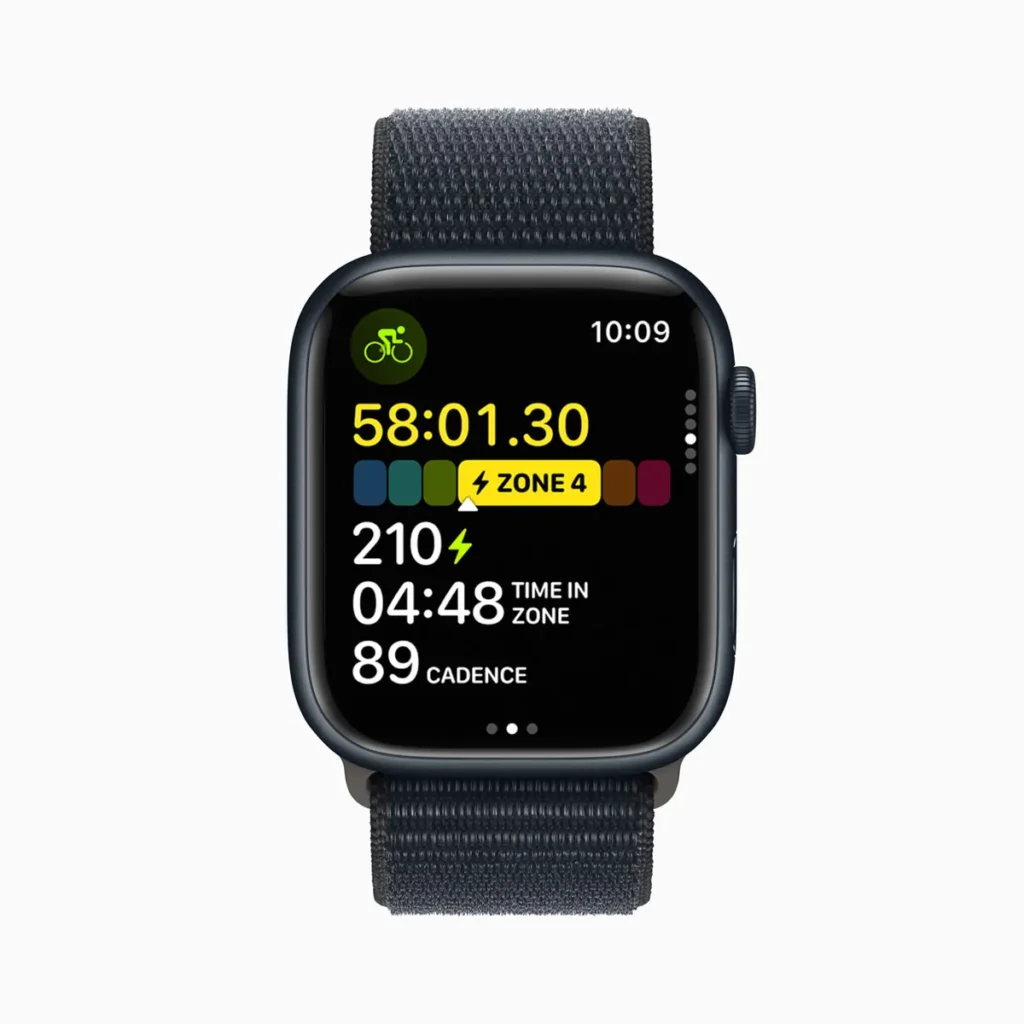
Apple Watch Series 9 — A versatile all-around smartwatch with robust health, fitness, and sleep tracking plus seamless iPhone integration.
Read Full Review →
Most Accurate Heart Rate Monitor
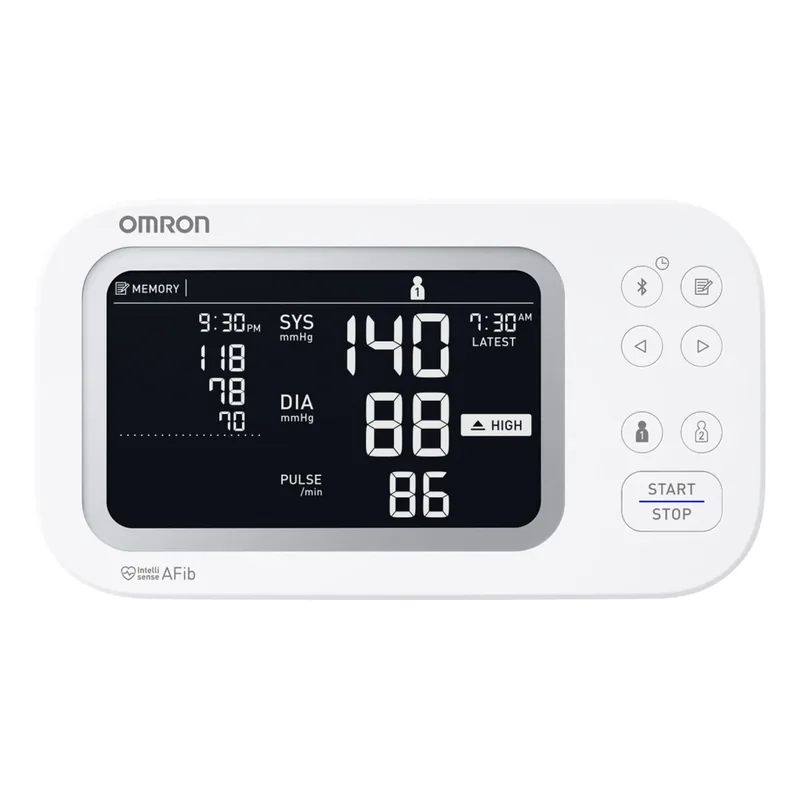
Omron Platinum Heart Monitor — A clinically validated chest-strap device that delivers highly precise real-time heart rate and ECG-level data for workouts and health monitoring.
Read Full Review →
Best Sleep Tracker
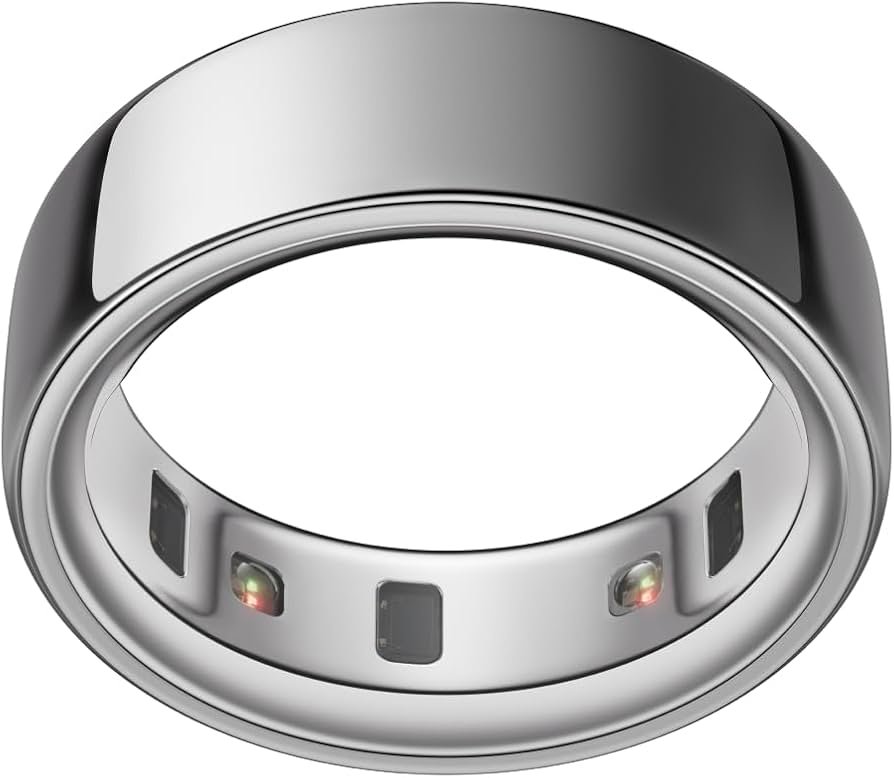
Oura Ring 4 — A discreet smart ring that consistently ranks among the most accurate consumer wearables for sleep stages, HRV, and overnight recovery insights.
Read Full Review →
Best Health Monitoring Devices by Category
Heart & Cardio
Track your heart rate, blood pressure, and ECG data
.
Fitness & Activity
Measure workouts, steps, and caloric expenditure.
Sleep & Recovery
Understand sleep stages and objective recovery quality.
Body Composition
Monitor weight, body fat percentage, and muscle mass.
Stress & Wellness
Track physiological stress levels and mental health indicators.
Respiratory & Oxygen
Monitor blood oxygen levels and respiratory patterns.
Metabolic Health & Glucose
Monitor blood sugar levels and track metabolic biomarkers.
Device Type Navigator
Top-Rated Smartwatches & Medical Wearables: Compare by Type
Popular Device Comparisons
Not sure which device fits your needs? These head-to-head comparisons show accuracy differences, price trade-offs, and which device wins for specific health goals.
Heart & Cardiovascular Monitoring
Fitness & Activity Tracking
-
Fitness Trackers vs Smartwatches
-
Running Watches vs Multisport Watches
-
Budget vs Premium Fitness Trackers
-
Wrist-Based vs Chest Strap Heart Rate
-
Brand Ecosystem Comparisons
Sleep & Recovery
-
Wearables vs Non-Wearables
-
Smart Rings vs Smartwatches for Sleep
-
Under-Mattress vs Bedside Monitors
-
CPAP vs BiPAP Machines
-
Consumer vs Medical-Grade Devices
Body Composition & Weight Management
-
BIA vs Segmental
-
Consumer vs Medical
Metabolic Health & Glucose Monitoring
-
CGM vs Meters
-
Brand Comparisons
Respiratory & Oxygen Monitoring
-
Fingertip vs Wearable Oximeters
-
CPAP vs BiPAP
Stress & Wellness Tracking
-
Stress-Focused vs General Trackers
-
HRV Methods Compared
Latest Health Tech Blogs
-
Don’t Miss the Film Festival: Top 3 movies to watch in July
Lorem ipsum dolor sit amet, consectetur adipisicing elit, sed do eiusmod tempor incididunt ut labore et dolore magna aliqua. Ut enim ad minim veniam, quis nostrud exercitation ullamco laboris nisi ut aliquip ex ea commodo consequat. Duis aute irure dolor in reprehenderit in voluptate velit esse cillum dolore eu fugiat nulla pariatur. Excepteur sint occaecat…
-
Fawn Sebastian talking about the Art of Color Correction, Part One
Lorem ipsum dolor sit amet, consectetur adipisicing elit, sed do eiusmod tempor incididunt ut labore et dolore magna aliqua. Ut enim ad minim veniam, quis nostrud exercitation ullamco laboris nisi ut aliquip ex ea commodo consequat. Duis aute irure dolor in reprehenderit in voluptate velit esse cillum dolore eu fugiat nulla pariatur. Excepteur sint occaecat…
Medical Disclaimer & Trust Signals
Medical Disclaimer
⚠️ IMPORTANT: This site provides educational information about health monitoring devices. It is not a substitute for professional medical advice, diagnosis, or treatment. Always consult a healthcare provider before making medical decisions based on wearable data. We are not medical professionals; see our About page for further clarification on our scope.
Last Updated: January 29, 2026
Our Authority & Expertise
Medical Reviewer: Dr. Rishav Das, M.B.B.S. — Wellness Device Data Analyst
Scope:
Dr. Das translates clinical validation research on consumer wellness devices. He explains what devices measure, how accurately, and what published studies show about reliability.
Why We’re Different:
Unlike typical tech blogs that rely on manufacturer specs or affiliate commissions, we’re led by a physician with specialized training in health data analysis. Our reviews combine medical expertise with rigorous hands-on testing—so you get accurate, unbiased guidance you can trust.
What We Provide:
Unlike typical tech blogs that rely on manufacturer specs or affiliate commissions, we’re led by a physician with specialized training in health data analysis. Our reviews combine medical expertise with rigorous hands-on testing—so you get accurate, unbiased guidance you can trust.
· Device measurement accuracy analysis
· Clinical validity translation
· Real-world performance testing
· Boundary awareness (what devices cannot do)
What We Do NOT Provide:
· Medical diagnosis or disease interpretation
· Clinical treatment recommendations
· Medical device regulation or FDA classification
· Substitution for healthcare provider evaluation
For complete credentials, testing methodology, and conflict of interest disclosures, visit our About page.
Trust Signals
Content Freshness: Updated January 29, 2026 | Next Review: April 29, 2026