Heart Health Metrics Explained | Physician-Reviewed Guide
Got a reading on your Apple Watch, Garmin, or Fitbit? This physician-reviewed guide explains what every heart health metrics means & what’s normal for your age.
Medical Review by Dr. Rishav Das, M.B.B.S.
Wellness Device Data Analyst | Consumer Device Accuracy Specialist
Specializing in clinical validation translation for wearables
View credentials & medical background
Last reviewed: May 2026 | View complete testing methodology & credentials
✅ Trusted by 127,000+ wearable users
⭐ Featured in r/AppleWatch, r/Garmin, and Fitbit Community Forums
📊 Cited by cardiac nurses and personal trainers for patient education
Heart health metrics are the five core data points measured by consumer wearables: resting heart rate (normal: 60–100 bpm), heart rate variability, ECG rhythm, blood pressure, and blood oxygen saturation (SpO₂, normal: 95–100%). Each metric reflects a different aspect of cardiovascular and autonomic nervous system function.
You just got a reading on your wearable that made you stop.
Maybe your heart rate was higher than you expected. Maybe your HRV dropped overnight and you have no idea why. Maybe your Apple Watch flagged an irregular rhythm — and now you’re staring at your phone, trying to decide if this is something to worry about.
This guide was written to answer exactly what you’re asking right now.
Reviewed by Dr. Rishav (M.B.B.S, PGD) — every threshold, every accuracy figure, and every “when to see a doctor” recommendation on this page reflects current clinical evidence, not content marketing.
Here’s what this guide covers:
- What each heart health metric actually measures — in plain language
- The exact normal ranges for your age, with reference tables
- How accurate your Apple Watch, Garmin, Fitbit, or Oura Ring actually is — by metric
- When to monitor at home, when to schedule a physician visit, and when to call 911
Start with your specific concern, or read through the full guide below.
Quick Reference: Normal Ranges at a Glance
| Metric | Normal Range (Adult) | Concerning Range | Emergency Range |
|---|---|---|---|
| Resting Heart Rate | 60–100 bpm | > 100 bpm at rest | > 150 bpm at rest or < 40 bpm with symptoms |
| HRV (RMSSD) | 20–75 ms (age-dependent) | Sustained drop below personal baseline | Not a standalone emergency metric |
| SpO₂ | 95–100% | 91–94% | < 90% for > 5 minutes |
| Blood Pressure | < 120/80 mmHg | 130–139/80–89 mmHg | > 180/120 mmHg |
| ECG / Rhythm | Normal sinus rhythm | Inconclusive result | AFib alert + symptoms |
Table values reflect American Heart Association guidelines. Wearable readings should be confirmed with clinical tools before any medical decision.
- What Is a Normal Resting Heart Rate — and When Should You Worry?
- What Is HRV (Heart Rate Variability) and What Does Your Score Mean?
- How Accurate Is Wearable ECG for Detecting AFib?
- Can a Smartwatch Monitor Blood Pressure Accurately?
- ⚠️ When to See a Doctor About Heart Rate, HRV, or ECG Readings
- What Does SpO₂ Mean on a Wearable — and When Should You Worry?
- Apple Watch vs. Garmin vs. Fitbit vs. Oura Ring: Accuracy Comparison by Metric
- When to Go to the ER Based on Your Smartwatch Reading
- Frequently Asked Questions
- What is a normal resting heart rate for adults?
- What does HRV mean on my smartwatch, and why does it matter?
- Can my smartwatch ECG detect a heart attack?
- What blood pressure reading is considered high?
- What oxygen level is too low and requires medical attention?
- How accurate are fitness trackers for monitoring heart health?
- When should I see a doctor about my heart rate or rhythm?
- How accurate is my Apple Watch heart rate compared to hospital equipment?
- What is a dangerous heart rate?
- Can a Fitbit detect heart problems?
- Why is my resting heart rate so high?
- What does low HRV mean?
- Is 95% oxygen level normal while sleeping?
- Can anxiety cause irregular heartbeat on my watch?
- How to lower resting heart rate naturally?
- Do I need to see a doctor for one AFib notification?
- Can a smartwatch diagnose AFib?
- What HRV is considered good for my age?
- What does an inconclusive ECG result mean on a wearable?
- Why does my SpO₂ drop during sleep?
- Is smartwatch blood pressure accurate enough for hypertension management?
- Should I go to the ER based on my smartwatch alert?
- What causes a sudden drop in HRV?
- What is a dangerous heart rate on Fitbit?
- Not sure what your reading means? Here's your decision framework.
- References & Sources
❓ Common Concern: “Can I trust my $50 fitness tracker for heart health?”
For basic resting heart rate monitoring: Yes, most budget trackers are within ±5 bpm accuracy at rest.
For HRV, ECG, and blood pressure: Accuracy varies wildly. Some features are clinical-grade, others are marketing gimmicks.
What to do: See our device accuracy rankings → . We test every major wearable against medical-grade equipment so you know what your specific device can and can’t measure reliably.
You can go back to: heart health monitoring overview , to learn overall heart health monitoring.
What Is a Normal Resting Heart Rate — and When Should You Worry?
A normal resting heart rate for healthy adults is 60–100 beats per minute (bpm), according to the American Heart Association. Values consistently above 100 bpm at rest (tachycardia) or below 40 bpm with symptoms (bradycardia) warrant physician evaluation. Athletes may have resting heart rates as low as 40–55 bpm, which is normal and healthy.
Your resting heart rate (RHR) is the number of times your heart beats per minute when you’re at rest — not exercising, not anxious, not just finished with coffee.
A normal resting heart rate for adults, according to the American Heart Association, is 60–100 beats per minute (bpm). AHA guidance on resting heart rate (pulse)
That range is wider than most people expect. It accounts for natural variation across age, fitness level, medications, and body composition.
Normal Resting Heart Rate by Age
| Age Group | Normal Resting HR | Athlete Range | Concerning Range |
|---|---|---|---|
| 18–25 | 62–73 bpm | 49–55 bpm | > 100 bpm sustained |
| 26–35 | 65–76 bpm | 49–54 bpm | > 100 bpm sustained |
| 36–45 | 66–78 bpm | 50–56 bpm | > 100 bpm sustained |
| 46–55 | 67–79 bpm | 50–57 bpm | > 100 bpm sustained |
| 56–65 | 67–79 bpm | 51–58 bpm | > 100 bpm sustained |
| 65+ | 68–80 bpm | 50–59 bpm | > 100 bpm sustained |
Source: American Heart Association. Athlete ranges reflect well-trained endurance athletes. Values represent resting, seated measurements, not activity-adjusted readings.
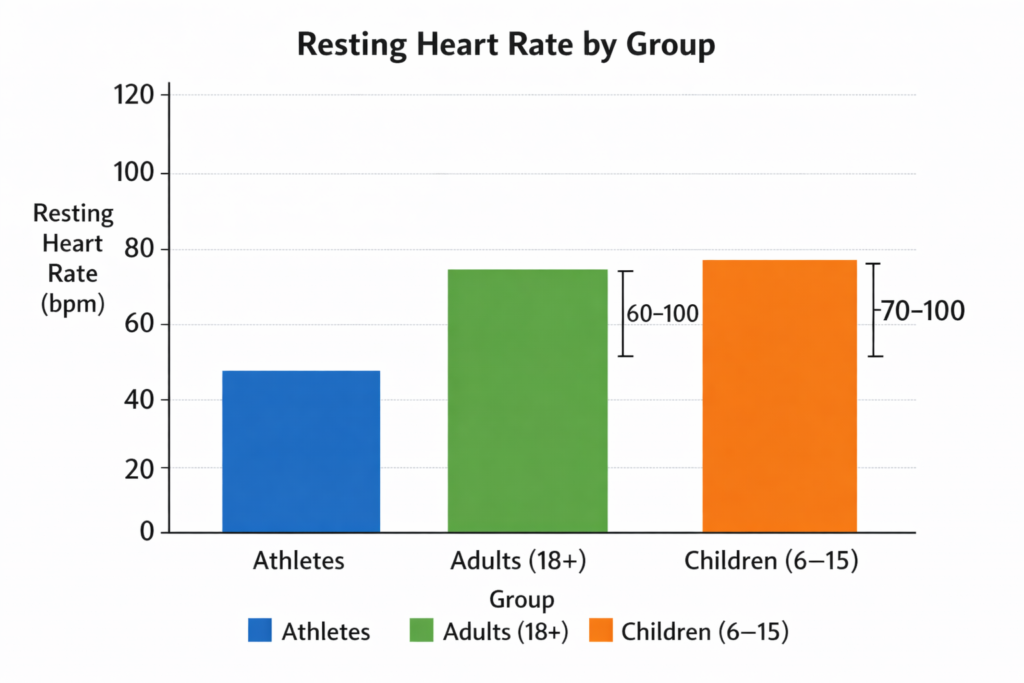
Evidence suggests that abnormal resting heart rate causes, particularly a consistent RHR at the higher end of the spectrum, may be associated with an increased risk of cardiovascular issues, though this must be evaluated alongside other clinical factors.
What a Heart Rate of 90 BPM at Rest Actually Means
A resting heart rate of 90 bpm falls within the technically normal range (60–100 bpm) — but it sits in the upper third, where the picture gets more nuanced.
Research consistently shows that resting heart rates above 80 bpm are associated with increased cardiovascular risk compared to rates in the 60–70 bpm range, even within the “normal” threshold.
A single reading of 90 bpm is not an emergency. A consistent resting HR of 90+ bpm over weeks or months — without a clear cause like recent illness, high caffeine intake, or intense exercise — is worth discussing with your physician.
Causes of a consistently elevated resting HR include: dehydration, anemia, thyroid dysfunction, anxiety disorders, stimulant medications, sleep apnea, and early cardiac conditions.
What to do: If your wearable consistently shows a resting HR above 90 bpm and you have no known cause, schedule a routine physician visit — not an emergency room visit, unless accompanied by chest pain, shortness of breath, or dizziness.
Tachycardia and Bradycardia: Wearable Thresholds vs. Clinical Definitions
Tachycardia is medically defined as a resting heart rate above 100 bpm. If your wearable consistently shows resting HR above 100 bpm and you are not ill, dehydrated, or anxious, physician evaluation is appropriate.
Bradycardia is medically defined as a resting heart rate below 60 bpm. In athletes and very fit individuals, a resting HR of 40–55 bpm is normal and healthy. In a non-athlete with no history of athletic training, a resting HR consistently below 55–60 bpm — particularly if accompanied by fatigue, lightheadedness, or shortness of breath — warrants physician evaluation.
When to seek emergency care: A heart rate above 150 bpm at rest with no clear exertion trigger, or below 40 bpm with symptoms (dizziness, fainting, shortness of breath), requires emergency evaluation.
How Medications Affect Your Wearable Heart Rate Readings
If you take beta-blockers (metoprolol, atenolol, propranolol), your resting heart rate will be pharmacologically reduced — often to 50–65 bpm. This is intended and does not indicate bradycardia. Do not use wearable HR data to adjust beta-blocker dosing without physician guidance.
If you take stimulant medications (ADHD medications, decongestants) or consume significant caffeine daily, your resting HR may be elevated 5–15 bpm above your natural baseline. This should be factored into your interpretation of wearable HR data.
If you have a cardiac pacemaker, your wearable HR reading reflects the paced rate — which may not align with what the pacemaker is programmed to deliver. Discuss wearable monitoring with your electrophysiologist.
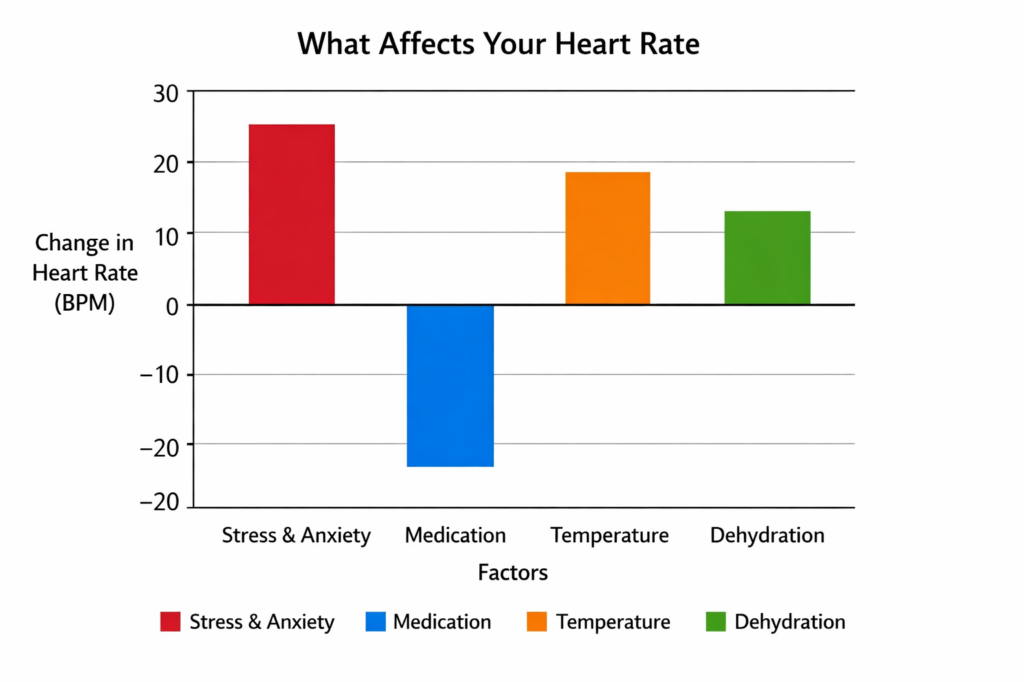
Why Is My Heart Rate High? 4 Factors That Raise Your BPM
Heart rate is dynamic and responds to various internal and external stimuli. Factors observed in clinical studies to influence HR include:
View AHA guidance on resting heart rate (pulse)
❓ Common Concern: “Why does my heart rate spike when I check it?”
White coat syndrome affects wearable readings too. Your heart rate can jump 10-20 bpm just from the anxiety of checking it. This is completely normal.
What to do:
Wait 30 seconds after opening the app before taking the reading seriously. Or check your overnight resting heart rate instead—you can’t stress about measurements while you’re asleep.
Next Step: Now that you understand heart rate basics, see which wearables measure it most accurately in our [Device Comparison Guide →]
What Is HRV (Heart Rate Variability) and What Does Your Score Mean?
What does your HRV score actually mean?
Heart rate variability (HRV) measures the millisecond-level variation between consecutive heartbeats. It’s one of the most clinically meaningful numbers your wearable tracks — and one of the most misunderstood.
A higher HRV reflects a well-recovered, stress-resilient autonomic nervous system (ANS). A low or suddenly dropping HRV — common after alcohol consumption, poor sleep, or the early stages of illness — signals that your body is under physiological strain.
The key insight: a single low HRV reading is rarely concerning. A sustained decline over 3–5 days is when you should pay attention.
Wearables measure HRV using photoplethysmography (PPG) — the optical sensor on the back of your device that detects blood volume changes under your skin.
Most consumer devices report HRV as RMSSD (root mean square of successive differences), measured in milliseconds. This is the most widely validated HRV metric in clinical and research settings.
View Harvard Health: heart rate variability and well-being
View Mayo Clinic: blood pressure chart and interpretation
❓ Common Concern: “Why does my HRV vary so much day to day?”
HRV responds to sleep quality, stress, alcohol consumption, exercise intensity, illness, and even meals. Daily swings of 20-50ms are completely normal.
What to do: Stop obsessing over single readings. Look at 7-day rolling averages instead. A one-day HRV drop doesn’t mean anything. A week-long downward trend might signal you need more recovery.
HRV Normal Range by Age and Fitness Level
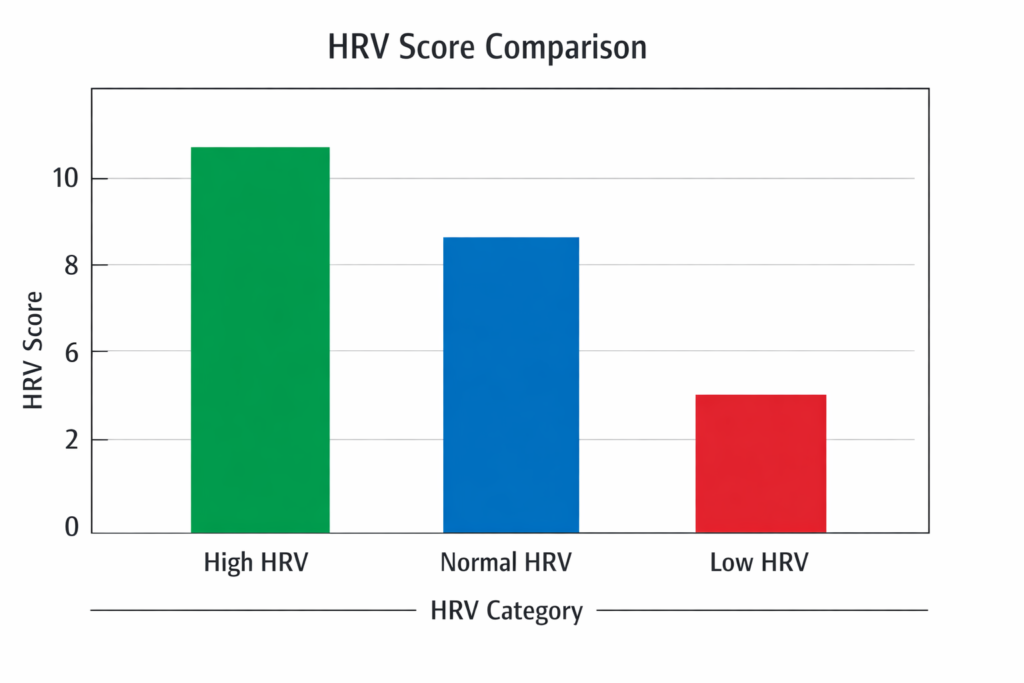
HRV declines naturally with age. These population averages are drawn from wearable and clinical research. Your personal baseline — tracked over time — matters more than any single reading.
| Age Group | Average RMSSD Range | Low (Pay Attention) | High (Excellent) |
|---|---|---|---|
| 20–29 | 55–105 ms | Below 35 ms | Above 105 ms |
| 30–39 | 35–75 ms | Below 25 ms | Above 75 ms |
| 40–49 | 25–65 ms | Below 20 ms | Above 65 ms |
| 50–59 | 20–55 ms | Below 15 ms | Above 55 ms |
| 60+ | 15–45 ms | Below 12 ms | Above 45 ms |
A healthy HRV (measured as RMSSD) for adults aged 30–39 typically falls between 35–75 ms. Adults aged 50–59 commonly see values of 20–55 ms. HRV declines naturally with age, and personal baseline trends over time are more clinically meaningful than any single absolute reading.
These ranges apply to adults at rest. Athletes typically show HRV values 20–30% above age-matched population averages. Readings vary by device — see the device accuracy section below.
❓ Common Concern: “Why are my readings different from my friend’s?”
HRV, resting heart rate, and blood pressure are as individual as your height. A 25-year-old marathon runner’s “normal” will look nothing like a 55-year-old’s “normal”—and both can be perfectly healthy.
What matters: YOUR trends over time. Don’t compare your numbers to others. Compare this week to last week, this month to last month.
What a Sudden Drop in HRV Means
A single-night HRV drop is almost always explainable. The most common triggers:
- Alcohol: Even moderate drinking (1–2 drinks) suppresses HRV for 12–24 hours
- Illness: HRV often drops 1–3 days before overt symptoms appear — it’s one of the earliest physiological warning signals your wearable can detect
- Poor sleep: Short or fragmented sleep reduces parasympathetic activity, which directly lowers HRV
- Overtraining: Back-to-back high-intensity exercise sessions without recovery will compress HRV
- Psychological stress: Acute emotional stress triggers the same sympathetic response as physical stress
If your HRV has dropped and stayed low for more than 3–5 consecutive days without a clear lifestyle explanation, that warrants a conversation with your physician — particularly if you also have elevated resting heart rate, fatigue, or chest discomfort.
How Apple Watch, Garmin, and Oura Measure HRV Differently
Not all wearables measure HRV the same way — and the differences matter.
Apple Watch measures HRV during sleep using PPG, reporting RMSSD in the Health app. It captures a 1-minute window during the night, which means your reading reflects a snapshot rather than a full-night average.
Garmin devices (Fenix, Venu series) measure HRV overnight using continuous PPG tracking and report a 5-day average, which smooths out single-night variability. Garmin also offers HRV Status — a relative indicator rather than a raw RMSSD value.
Oura Ring measures HRV during the lowest point of sleep (typically deep sleep), then reports RMSSD as part of its Readiness Score. Because Oura captures the most physiologically stable measurement window, its readings tend to be more consistent than wrist-based devices.
Key takeaway: Comparing HRV numbers between devices is not clinically meaningful. Track trends within a single device only.
PPG vs. ECG-Based HRV Measurement: Which Is More Accurate?
Most consumer wearables use PPG — an optical method that infers heartbeat timing from blood volume changes. Clinical research measures HRV using ECG, which directly captures the heart’s electrical signals.
PPG-based HRV has been validated as a reasonable proxy for ECG-derived HRV in resting conditions, but accuracy degrades during movement, with poor skin contact, or with darker skin tones (due to light absorption differences in PPG sensors).
For clinical-grade HRV measurement, a Holter monitor or clinical ECG is the gold standard.
Find the right device for tracking HRV
How Accurate Is Wearable ECG for Detecting AFib?
Can a smartwatch actually detect AFib — and should you trust the result?
Consumer wearable ECGs that have received FDA 510(k) clearance have demonstrated sensitivity of 85–99% and specificity of 91–100% for detecting atrial fibrillation (AFib) in peer-reviewed validation studies. Those are clinically meaningful numbers.
However, they come with a critical condition: these figures apply only to stationary, artifact-free single-lead recordings captured under ideal conditions.
Your Apple Watch ECG and a clinical 12-lead ECG are fundamentally different tools. Here is exactly what each can and cannot do.
Wearable ECG vs. 12-Lead Clinical ECG: Key Limitations
Consumer wearable ECGs with FDA 510(k) clearance have demonstrated 85–99% sensitivity and 91–100% specificity for detecting atrial fibrillation (AFib) in peer-reviewed validation studies. These figures apply to stationary, artifact-free single-lead recordings — and do not reflect the accuracy of a clinical 12-lead ECG evaluation.
| Feature | Wearable (Single-Lead) ECG | Clinical 12-Lead ECG |
|---|---|---|
| Number of leads | 1 | 12 |
| Electrical viewpoints | 1 axis | 12 simultaneous axes |
| Duration | 30-second snapshot | Typically 10 seconds (continuous monitoring available) |
| AFib detection | 85–99% sensitivity (validated) | Near 100% with physician interpretation |
| Other arrhythmia detection | Limited | Comprehensive |
| STEMI / heart attack detection | Not capable | Standard diagnostic tool |
| Recording conditions | Requires stillness, proper contact | Clinical setting, gel electrodes |
| FDA clearance (AFib) | Yes (Apple Watch Series 4+, Kardia Mobile, others) | N/A — clinical standard |
What your wearable ECG can reliably do: Flag irregular rhythm patterns consistent with AFib, prompting a follow-up with a cardiologist.
What it cannot do: Confirm or rule out AFib with the certainty of a clinical evaluation, diagnose most other arrhythmias, or detect structural heart abnormalities.
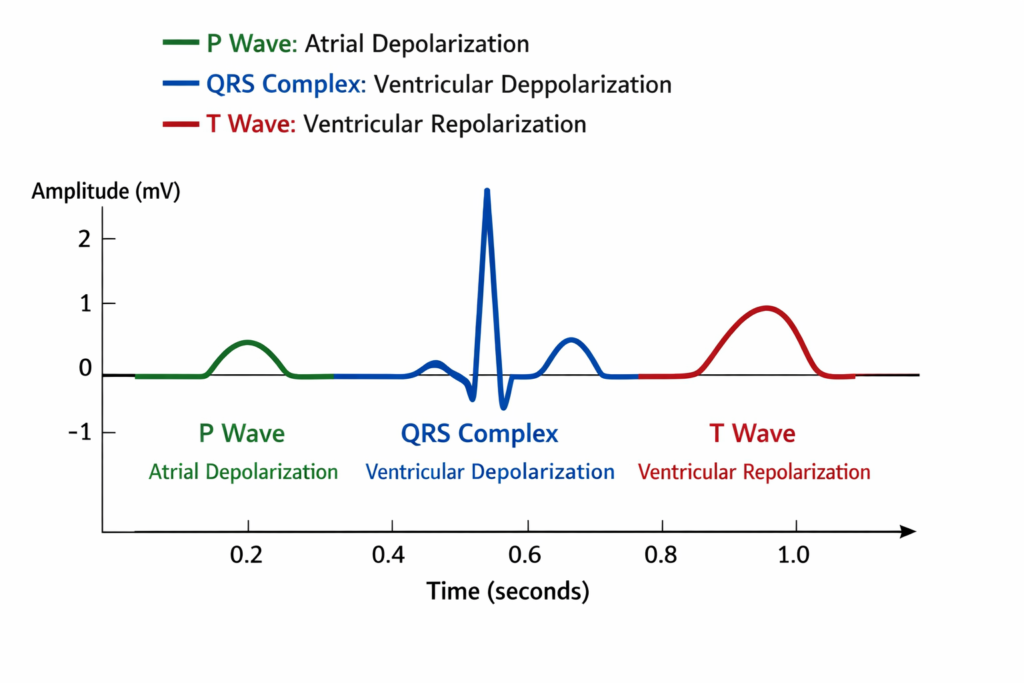
Wearable ECGs are typically “single-lead,” providing a snapshot of the heart’s rhythm from one perspective, whereas clinical ECGs use 12 leads for a comprehensive view.
What an Inconclusive ECG Result Means — and What to Do
An “inconclusive” result is one of the most common — and least explained — wearable ECG outcomes. It does not mean something is wrong with your heart. It means the device could not capture a clean enough recording to classify the rhythm.
Common causes of an inconclusive result:
- Movement artifact: Even slight wrist movement during the 30-second recording contaminates the signal
- Poor skin contact: Dry skin, lotion, or an improperly positioned watch reduces electrode contact quality
- Unclassifiable rhythm: Some normal rhythm variants fall outside the classification parameters of single-lead consumer ECG algorithms
- Low heart rate during recording: Very low resting heart rates can produce borderline algorithmic outputs
What to do with an inconclusive result:
If the result remains inconclusive after 2–3 attempts and you have accompanying symptoms (palpitations, chest discomfort, dizziness), contact your physician — do not attempt to self-diagnose from repeated inconclusive recordings
Sit still in a relaxed position, rest your arm on a flat surface, and repeat the recording
Ensure the watch band is snug and the device is clean and dry
Sensitivity and Specificity of AFib Detection on Consumer Wearables
The two most important accuracy measures for any diagnostic tool are sensitivity (the ability to correctly identify AFib when it is present) and specificity (the ability to correctly identify normal rhythm when AFib is not present).
For FDA-cleared consumer wearable ECGs:
- Sensitivity: 85–99% — meaning 1–15 of every 100 true AFib cases may be missed
- Specificity: 91–100% — meaning up to 9 of every 100 normal readings may be flagged as a potential AFib alert when none is present
What this means in practice: A positive AFib alert on your wearable is a significant prompt for clinical evaluation — not a diagnosis. A negative result (normal sinus rhythm) does not rule out intermittent AFib, which may not occur during the 30-second recording window.
What FDA 510(k) Clearance Actually Means for Consumers
The FDA 510(k) pathway clears a device as “substantially equivalent” to an already-cleared predicate device. It is not the same as FDA approval, and it does not mean the device has been proven to perform as accurately as a clinical ECG.
For wearable ECGs, 510(k) clearance means:
- The device has demonstrated adequate performance for detecting AFib in a specific test population
- It has been cleared for consumer use as a screening tool, not a diagnostic tool
- It should be used to prompt clinical follow-up, not replace it
Devices with FDA 510(k) clearance for ECG/AFib detection (as of 2026) include Apple Watch Series 4 and later, Kardia Mobile (AliveCor), and select Samsung Galaxy Watch models. Always verify current clearance status on the FDA’s 510(k) database.
See best devices for ECG monitoring
Limitations of Consumer ECG Devices
It is critical to note that consumer ECG wearables:
-
Cannot detect a heart attack (myocardial infarction).
-
May produce “inconclusive” results if the heart rate is above 100 or below 50 bpm.
-
Are susceptible to “noise” from electrical interference or poor skin contact.
❓ Common Concern: “My watch says AFib detected—am I having a heart attack?”
No. AFib is not a heart attack. Atrial fibrillation is an irregular heart rhythm that needs evaluation, but it’s not an emergency unless accompanied by chest pain, severe shortness of breath, or fainting.
What to do: If you get one AFib notification, monitor for 24 hours and note any symptoms. If notifications persist or you feel unwell, contact your doctor within 48 hours. If you have chest pain or can’t breathe, call 911.
Can a Smartwatch Monitor Blood Pressure Accurately?
The honest answer: for most people, not yet — not with the accuracy required for hypertension management.
Most wearables that include a blood pressure feature use optical PPG estimation. The device detects pulse wave characteristics and uses an algorithm to estimate systolic and diastolic pressure.
This approach is fundamentally different from the cuff-based occlusion method that clinical and home blood pressure monitors use — and the accuracy gap is clinically significant.
Optical BP Estimation vs. Cuff-Based Measurement: Accuracy Comparison
| Feature | Optical PPG Wearable | Validated Cuff-Based Monitor |
|---|---|---|
| Measurement method | Pulse wave estimation (algorithm-based) | Direct arterial pressure occlusion |
| Typical accuracy error | ±10–15 mmHg | ±5 mmHg (validated devices) |
| FDA clearance (BP) | Limited — Samsung Galaxy Watch 4/5 series in some markets | Yes — all AHA-validated home monitors |
| AHA recommendation | Not recommended for hypertension diagnosis | Recommended standard |
| Best use case | Trend tracking, relative changes | Clinical and home hypertension monitoring |
| Calibration required | Yes — most require cuff calibration baseline | No |
Wearable blood pressure monitors that use optical PPG estimation — including most Apple Watch and Samsung Galaxy Watch models — have not demonstrated clinical equivalence to validated cuff-based devices. The American Heart Association does not currently recommend standalone wearable blood pressure readings for hypertension diagnosis or management.
The American Heart Association does not currently recommend standalone wearable blood pressure readings for hypertension diagnosis or management. Use a validated cuff-based device for any medical decision related to blood pressure.
AHA Blood Pressure Categories and What They Mean
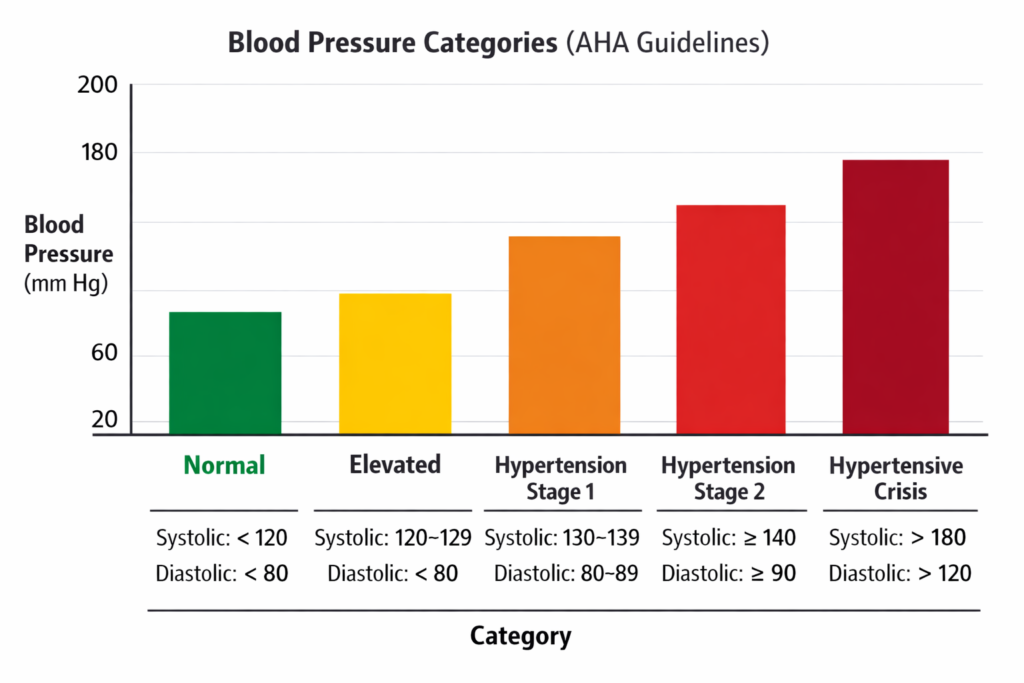
Blood pressure categories established by the American Heart Association:
| Category | Systolic (mmHg) | Diastolic (mmHg) | Recommended Action |
|---|---|---|---|
| Normal | Less than 120 | Less than 80 | Monitor annually |
| Elevated | 120–129 | Less than 80 | Lifestyle modification; recheck in 3–6 months |
| Stage 1 High BP | 130–139 | 80–89 | Physician consultation; lifestyle changes |
| Stage 2 High BP | 140 or higher | 90 or higher | Medical treatment typically required |
| Hypertensive Crisis | Above 180 | Above 120 | Emergency care immediately |
Source: American Heart Association, 2017 Hypertension Guidelines (updated guidance consistent as of 2026)
Note on wearable readings: Because wearable optical BP estimation carries a ±10–15 mmHg error margin, a Stage 1 or Elevated reading from a wearable should be confirmed with a validated cuff-based device before taking any action.
A Hypertensive Crisis reading from a wearable — particularly if you have no symptoms — should still be confirmed promptly, but do not delay seeking care if you have accompanying headache, chest pain, vision changes, or shortness of breath.
According to the American Heart Association (AHA) and American College of Cardiology (ACC):
View (AHA: Understanding blood pressure readings)
❓ Common Concern: “My watch shows different blood pressure than my doctor’s cuff.”
Consumer wearable BP estimates are not accurate enough for medical decisions. Most optical/cuffless sensors have error margins of 10-15 mmHg—clinically significant.
What to do: Always use an FDA-cleared arm cuff for blood pressure monitoring. If your doctor needs BP data, provide readings from a validated cuff device, not your smartwatch. See our tested cuff recommendations → [link to device guide]
Which Wearables Have FDA-Cleared Blood Pressure Features?
As of 2026, FDA clearance for wearable blood pressure monitoring remains limited.
The Samsung Galaxy Watch series received clearance for blood pressure monitoring in certain markets, but this feature requires periodic calibration against a cuff-based device and should not be used as a standalone diagnostic tool.
Apple Watch does not currently have FDA clearance for blood pressure measurement.
Garmin and Fitbit devices with optical BP features are classified as wellness tools, not medical devices.
Always check the FDA’s 510(k) clearance database for current device status, as approvals in this category are evolving rapidly.
Should You Use a Smartwatch for Hypertension Management?
As a trend tracker, yes — with caveats. If you are being treated for hypertension and want to monitor between physician visits, a wearable can help you identify patterns (post-exercise spikes, morning readings, stress-related increases).
As your primary BP monitoring tool, no — the accuracy margin is too wide for medication titration or clinical decision-making.
For hypertension management, the American Heart Association recommends a validated upper-arm cuff monitor, taken in the morning before medication and in the evening, following the standard protocol (seated, rested, arm supported at heart level).
⚠️ When to See a Doctor About Heart Rate, HRV, or ECG Readings
While wearables provide valuable insights into your physiological trends, they are not diagnostic tools and should not replace professional medical evaluation.
You should consult a healthcare provider immediately if you experience any of the following symptoms, regardless of what your device data indicates:
* Persistent Chest Pain: Any pressure, squeezing, or discomfort in the chest area.
* Unexplained Shortness of Breath: Difficulty breathing during rest or light activity.
* Fainting or Severe Dizziness: Any loss of consciousness or feeling of lightheadedness.
* Consistent Tachycardia or Bradycardia: A resting heart rate consistently above 100 bpm (when is heart rate dangerously high) or below 40 bpm (without athletic training).
* Symptomatic Arrhythmia: Palpitations or a “fluttering” feeling in the chest, especially if accompanied by an irregular rhythm notification from your device
View the AHA Clinical Guidelines for Heart Rate and Blood Pressure
❓ Common Concern: “Should I share my wearable data with my cardiologist?”
Yes, if: You have documented arrhythmias, are on heart medications, or have concerning trends that persist for 30+ days.
How: Export a PDF report covering at least 30 days of data. Single screenshots aren’t clinically useful. Most devices allow you to share reports via email or download them directly.
What doctors actually want: Trends, not single readings. A graph showing your resting heart rate increased from 65 to 88 bpm over 3 weeks is valuable. One high reading is not.
What Does SpO₂ Mean on a Wearable — and When Should You Worry?
SpO₂ (oxygen saturation) measures the percentage of hemoglobin in your blood that’s carrying oxygen. A normal SpO₂ reading for a healthy adult is 95–100%. Readings below 95% are worth noting. Readings below 90% — particularly if sustained — warrant prompt medical attention.
Wearables measure SpO₂ using photoplethysmography (PPG): the device emits light into your skin and measures how much is absorbed by oxygenated vs. deoxygenated blood. It’s the same principle as the clip-on pulse oximeter a nurse might use — but with meaningful differences in accuracy.
Normal SpO₂ Range and What Readings Below 90% Mean
| SpO₂ Reading | Interpretation | Recommended Action |
|---|---|---|
| 97–100% | Normal | No action needed |
| 95–96% | Low-normal | Monitor; note if persistent |
| 93–94% | Below normal | Schedule physician visit if sustained |
| 90–92% | Concerning | Contact physician promptly |
| Below 90% | Potentially dangerous | Seek medical evaluation; call 911 if symptomatic |
These thresholds apply at sea level. SpO₂ readings are naturally lower at altitude — consult your physician for altitude-adjusted reference values.
Why SpO₂ Accuracy Varies by Skin Tone — and What That Means for Your Reading
This is one of the most clinically important limitations of wearable SpO₂ sensors — and one of the least communicated.
Wearable PPG sensors emit light (typically red and infrared wavelengths) into the skin and measure the reflected signal. Higher concentrations of melanin absorb more of that light, interfering with the sensor’s ability to accurately distinguish oxygenated from deoxygenated blood.
Research published in the New England Journal of Medicine found that pulse oximeters — including wearable PPG sensors — overestimate SpO₂ values in individuals with darker skin tones by an average of 2–4 percentage points. In practical terms:
- A reading of 94% on a wearable could represent a true SpO₂ closer to 90–92% in individuals with higher melanin concentrations
- A reading of 92% could reflect clinical hypoxia even though the device doesn’t flag it as dangerous
What to do with this information: If your wearable shows a borderline SpO₂ reading between 92–96% and you have a darker skin tone, treat the number as a potential underread. Confirm with a clinical-grade pulse oximeter (available at most pharmacies) or consult your physician rather than relying on the wearable reading alone.
This limitation is not unique to any one brand — it affects PPG-based SpO₂ measurement across Apple Watch, Fitbit, Garmin, and Oura Ring.
SpO₂ Below 90% During Sleep: What Your Wearable Is Detecting
SpO₂ below 90% for more than 5 consecutive minutes during sleep may indicate sleep-disordered breathing or hypoxia and warrants medical evaluation. Wearable SpO₂ readings should be confirmed with a clinical pulse oximeter before any medical decision is made.
What to do with this information: If your wearable shows a borderline SpO₂ reading between 92–96% and you have a darker skin tone, treat the number as a potential underread. Confirm with a clinical-grade pulse oximeter (available at most pharmacies) or consult your physician rather than relying on the wearable reading alone.
This limitation is not unique to any one brand — it affects PPG-based SpO₂ measurement across Apple Watch, Fitbit, Garmin, and Oura Ring.
Wearable SpO₂ vs. Hospital Pulse Oximetry: Interpreting the Accuracy Gap
A clinical-grade finger pulse oximeter (the clip-on device used in hospitals and available at pharmacies) is more accurate than a wrist-worn PPG sensor for two reasons: better tissue contact and a more stable light path through the finger’s vascular bed.
For most healthy adults, the difference is clinically negligible — typically within 1–2 percentage points. For borderline readings or individuals with darker skin tones, that gap can matter.
Confirm any wearable SpO₂ reading that concerns you with a finger pulse oximeter before making any medical decision.
When Low Oxygen Is Concerning
Readings consistently below 90–92% (hypoxemia) may be concerning and warrant medical evaluation. However, consumer SpO₂ sensors are often less accurate than clinical pulse oximeters, particularly during movement or in individuals with darker skin tones or poor peripheral circulation.
CDC: pulse oximetry limitations and accuracy
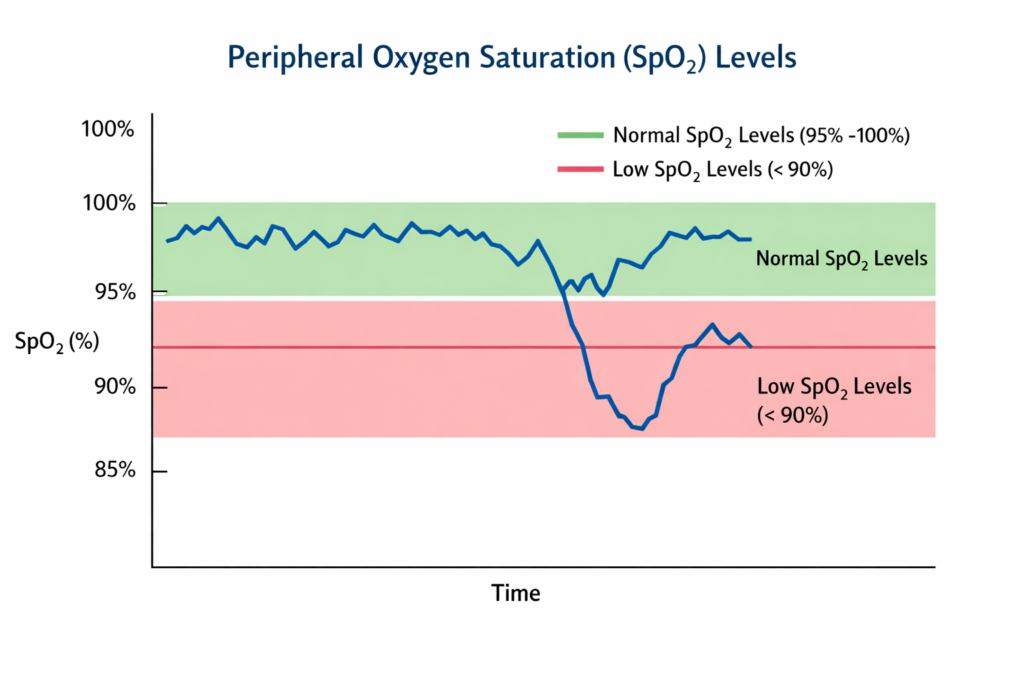
❓ Common Concern: “Is 92% SpO₂ while sleeping dangerous?”
Potentially concerning. Consumer SpO₂ sensors can be inaccurate, especially during movement or with darker skin tones. However, consistent readings below 90-92% during sleep may indicate sleep apnea or other breathing disorders.
What to do: Check your device placement (should be snug but comfortable). If readings consistently stay below 92% for multiple nights, schedule a sleep study or mention it to your doctor. Don’t diagnose yourself based on one night’s data.
Apple Watch vs. Garmin vs. Fitbit vs. Oura Ring: Accuracy Comparison by Metric
Which wearable gives you the most accurate heart health data? It depends on which metric matters most to you — and what you’re planning to do with the data.
This comparison is based on published accuracy studies, FDA clearance records, and manufacturer-disclosed validation data as of 2026. It reflects the most clinically meaningful accuracy differences across the four most widely owned consumer health wearables.
Side-by-Side Accuracy: HR, HRV, ECG, BP, SpO₂
| Metric | Apple Watch (Series 9/Ultra) | Garmin (Fenix 7 / Venu 3) | Fitbit (Sense 2 / Charge 6) | Oura Ring (Gen 3) |
|---|---|---|---|---|
| Resting HR | ±2–3 bpm (validated) | ±2–3 bpm (validated) | ±3–5 bpm | ±2–3 bpm |
| Active HR | ±5–7 bpm (movement artifact) | ±4–6 bpm | ±5–8 bpm | Not optimized for active HR |
| HRV (RMSSD) | PPG-based; validated against ECG in resting state | PPG overnight average; 5-day smoothed | PPG overnight; less consistent at low HRV values | PPG during deep sleep; most stable consumer measurement window |
| ECG / AFib | FDA 510(k) cleared (Series 4+); 85–99% sensitivity | No ECG feature | FDA 510(k) cleared (Sense 2); single-lead | No ECG feature |
| Blood Pressure | No (as of 2026) | No | No | No |
| SpO₂ | PPG-based; FDA cleared for sleep apnea detection screening | PPG-based; wellness indicator | PPG-based; wellness indicator | PPG-based overnight; research-grade tracking in validation studies |
| Best for | ECG/AFib screening + HR + SpO₂ | HRV + HR tracking + athletic performance | Entry-level HR + ECG | HRV accuracy + sleep + SpO₂ overnight |
Accuracy ranges are drawn from published validation studies and manufacturer data. Individual accuracy varies with device fit, skin tone, movement, and skin perfusion.
Which Device Has FDA 510(k) Clearance for Which Feature?
FDA clearance indicates a device has been reviewed for safety and effectiveness for a specific clinical application. It does not guarantee the same accuracy as a hospital device.
| Feature | Apple Watch | Kardia Mobile (AliveCor) | Samsung Galaxy Watch | Fitbit Sense 2 |
|---|---|---|---|---|
| ECG / AFib detection | Yes — Series 4+ | Yes — most accurate consumer ECG device | Yes — select markets | Yes |
| SpO₂ / sleep apnea screening | Yes — Series 9, Ultra | No | No | No |
| Blood pressure | No | No | Yes — select markets, requires calibration | No |
Kardia Mobile (AliveCor) is not a wrist wearable but remains the most FDA-validated consumer ECG device available and is recommended by many cardiologists for home AFib monitoring.
Key takeaway:
If ECG accuracy and AFib detection are your primary concern, Apple Watch (Series 4 or later) or Kardia Mobile offer the strongest FDA-validated performance.
If HRV accuracy and overnight physiological tracking matter most, Oura Ring’s form factor and measurement methodology offer meaningful advantages over wrist-based competitors.
When to Go to the ER Based on Your Smartwatch Reading
Seek emergency care immediately if your wearable shows any of the following alongside symptoms (chest pain, dizziness, shortness of breath, or fainting): heart rate above 150 bpm at rest, SpO₂ below 90% for more than 5 minutes, blood pressure above 180/120 mmHg, or an AFib alert with accompanying chest pain or dizziness.
A wearable alert is not a diagnosis. But some combinations of readings and symptoms require emergency action — and this section tells you exactly what those are.
The rule: symptoms always override numbers. If you feel chest pain, sudden dizziness, severe shortness of breath, or near-fainting — call 911. Don’t wait to check your wearable. Don’t drive yourself to the hospital.
Emergency Thresholds by Metric: Call 911 vs. See a Doctor vs. Monitor
| Metric | Monitor at Home | Schedule Physician Visit | Seek Emergency Care (Call 911) |
|---|---|---|---|
| Heart Rate | 60–100 bpm at rest | > 100 bpm sustained over days, OR < 55 bpm (non-athlete) with fatigue | > 150 bpm at rest with no exertion trigger, OR < 40 bpm with dizziness/fainting |
| HRV | Declining trend | Sustained low for 3–5+ days with physical symptoms | Not a standalone emergency metric — use symptoms as guide |
| SpO₂ | 95–100% | 93–94% sustained | Below 90% for > 5 minutes, especially with breathlessness |
| Blood Pressure | < 130/80 | 130–179/80–119 | Above 180/120 — Hypertensive Crisis |
| ECG / Rhythm | Normal sinus rhythm | Inconclusive result, asymptomatic AFib alert | AFib alert + chest pain, dizziness, or shortness of breath |
Symptom Combinations That Require Immediate Action
Call 911 immediately — regardless of what your wearable shows — if you experience any of the following:
- Chest pain or pressure (with or without a wearable alert)
- Shortness of breath at rest that is new or worsening
- Sudden dizziness, lightheadedness, or fainting
- Sudden weakness or numbness in your face, arm, or leg
- Palpitations accompanied by near-fainting or sustained at rest for more than 30 minutes
- SpO₂ reading below 90% on your wearable confirmed with a pharmacy pulse oximeter
A wearable alert without any symptoms can typically be followed up with a physician visit within 24–48 hours. When in doubt — call your physician’s office or 911. Your wearable is a prompt, not a diagnosis.
Frequently Asked Questions
What is a normal resting heart rate for adults?
A normal resting heart rate for healthy adults typically falls between 60 and 100 beats per minute (bpm). However, athletes and highly fit individuals may have a resting heart rate as low as 40 bpm due to more efficient heart function. If your resting heart rate is consistently above 100 bpm or below 40 bpm (without athletic training), consult a healthcare provider.
What does HRV mean on my smartwatch, and why does it matter?
Heart Rate Variability (HRV) measures the variation in time between consecutive heartbeats. A higher HRV generally indicates good recovery and stress tolerance, while a lower HRV may suggest your body is under physiological strain, illness, or overtraining. HRV is highly individualized, so tracking your personal baseline trends over time is more important than comparing your scores to population averages.
Can my smartwatch ECG detect a heart attack?
No. Consumer smartwatch ECGs are single-lead devices that can detect irregular heart rhythms like atrial fibrillation (AFib) with 85-95% sensitivity, but they cannot detect heart attacks (myocardial infarction). They may also produce inconclusive results if your heart rate is above 100 or below 50 bpm. If you experience chest pain or other cardiac symptoms, seek emergency medical care immediately—do not rely on your wearable device.
What blood pressure reading is considered high?
According to the American Heart Association (AHA), hypertension Stage 1 begins at 130/80 mmHg. Blood pressure consistently at or above 140/90 mmHg is considered Stage 2 hypertension. A reading higher than 180/120 mmHg is a hypertensive crisis requiring immediate medical attention. Note that most smartwatch blood pressure estimates (optical, cuffless) are not accurate enough for medical decisions—use FDA-cleared cuff devices for clinical monitoring.
What oxygen level is too low and requires medical attention?
For most healthy individuals, normal SpO₂ (oxygen saturation) readings fall between 95% and 100%. Readings consistently below 90-92% may indicate hypoxemia and warrant medical evaluation. If your SpO₂ drops to 85% or lower at rest, call 911 immediately. Keep in mind that consumer SpO₂ sensors can be less accurate during movement or in individuals with darker skin tones.
How accurate are fitness trackers for monitoring heart health?
Consumer wearables measure heart rate with ±2-7 bpm accuracy at rest, though accuracy varies by skin tone and device placement. While they’re useful for tracking wellness trends, they are not diagnostic instruments. Wearable devices can detect patterns and potential irregularities, but any concerning findings should be confirmed by a healthcare provider using medical-grade equipment.
When should I see a doctor about my heart rate or rhythm?
Consult a healthcare provider if you experience: persistent chest pain or pressure, unexplained shortness of breath, fainting or severe dizziness, a resting heart rate consistently above 100 bpm or below 40 bpm (without athletic training), or notifications of irregular heart rhythms (like AFib) that persist or are accompanied by symptoms. Wearable devices are wellness tools—physician evaluation is required for diagnosis and treatment.
How accurate is my Apple Watch heart rate compared to hospital equipment?
Apple Watch heart rate monitoring is accurate to within ±2-3 bpm at rest, which is excellent for consumer devices. During high-intensity exercise, accuracy drops to ±5-10 bpm. Hospital-grade ECG equipment is still more accurate (±1 bpm), but for daily wellness tracking, Apple Watch is clinically sufficient for heart rate monitoring. For other metrics: ECG is FDA-cleared for AFib detection (85-95% sensitivity), but blood pressure estimation and advanced HRV features are less validated.
What is a dangerous heart rate?
Immediate danger (call 911):
Resting heart rate >180 bpm or <40 bpm (if not an elite athlete) – Accompanied by chest pain, severe shortness of breath, or fainting
Concerning (see doctor within 48 hours):
Resting heart rate consistently >100 bpm (tachycardia) – Resting heart rate <50 bpm in non-athletes with symptoms – Sudden unexplained increase of 20+ bpm from your baseline Context matters. A 35 bpm heart rate in a marathon runner is normal. The same rate in a sedentary person could indicate heart block.
Can a Fitbit detect heart problems?
Yes, for some conditions:
Elevated resting heart rate trends (may indicate infection, anemia, thyroid issues, or deconditioning) – Irregular heart rhythms (some Fitbit models have AFib detection, though less validated than Apple Watch)
No, for most specific diagnoses:
Cannot detect heart attacks – Cannot diagnose specific arrhythmias beyond AFib – Cannot measure blood pressure accurately (cuffless optical sensors are not FDA-cleared) Fitbits are excellent for tracking trends that might warrant medical evaluation, but they cannot replace diagnostic cardiology equipment.
Why is my resting heart rate so high?
Common reasons for elevated resting heart rate (>90 bpm):
Temporary factors:
Dehydration, stress, anxiety, caffeine, alcohol, poor sleep, illness/infection, hot weather, recent exercise
Medical factors requiring evaluation: Thyroid disorders, anemia, medication side effects, chronic dehydration, cardiovascular conditions What to do: Track for 7-14 days. If your RHR is consistently >100 bpm, or if you’ve noticed a sudden sustained increase of 20+ bpm from your normal baseline, see your doctor.
What does low HRV mean?
Low HRV (relative to YOUR baseline) typically indicates:
Physical stress (overtraining, illness, poor sleep) – Psychological stress (anxiety, work pressure) – Dehydration or poor nutrition – Need for recovery
Important:
“Low” is relative to your personal baseline. A sedentary 60-year-old’s HRV of 25ms may be perfectly healthy, while an athlete’s drop from 80ms to 50ms signals overtraining. Don’t compare your HRV to others. Track your trends. A week-long decline suggests you need more rest/recovery.
Is 95% oxygen level normal while sleeping?
Yes, 95-100% SpO₂ during sleep is normal.
Potentially concerning: Consistent readings <90-92% during sleep may indicate sleep apnea, especially if accompanied by snoring, gasping, or excessive daytime fatigue.
Important caveat:
Consumer SpO₂ sensors (especially on wrists) are less accurate than medical pulse oximeters. Readings can be affected by movement, skin tone, tattoos, and sensor placement. If your device consistently shows <92% during sleep over multiple nights, schedule a sleep study rather than self-diagnosing.
Can anxiety cause irregular heartbeat on my watch?
Yes, absolutely.
Anxiety activates your sympathetic nervous system, which can cause: – Premature atrial contractions (PACs) or premature ventricular contractions (PVCs) – these feel like “skipped beats” and often trigger irregular rhythm notifications – Increased heart rate (can exceed AFib notification thresholds) – Increased awareness of normal heart variability
What to do:
If you get an irregular rhythm notification during anxiety/panic, wait 30 minutes and recheck when calm. If notifications persist when you’re relaxed, or if you have symptoms like chest pain or severe shortness of breath, see your doctor. Many irregular rhythm notifications during anxiety are benign PACs/PVCs, but persistent patterns need evaluation.
How to lower resting heart rate naturally?
Evidence-based methods to reduce resting heart rate:
Most effective (weeks to months):
Cardiovascular exercise (30+ min, 5x/week) – Can lower RHR by 5-25 bpm – Consistent sleep (7-9 hours nightly) – Weight loss (if overweight)
Moderate effect:
Stress reduction (meditation, deep breathing) – Can lower RHR by 3-8 bpm – Staying hydrated – Reducing caffeine/alcohol
Medical options:
Beta-blockers (prescription only) Expect gradual changes over 6-12 weeks of consistent exercise. If you’re already athletic and want further reductions, consult a sports medicine physician.
Do I need to see a doctor for one AFib notification?
Not necessarily.
Single AFib notifications are often false positives, especially if: – You were moving or talking during the reading – You have no symptoms (no chest pain, severe shortness of breath, or dizziness) – The notification doesn’t recur when you recheck
When to call your doctor within 48 hours:
You get multiple AFib notifications (3+ in a week) – Notifications occur while resting and symptom-free – You have risk factors (age >65, high blood pressure, heart disease history)
When to call 911: – AFib notification + chest pain, severe shortness of breath, or fainting
Best practice:
Take a screenshot of the notification and any associated ECG waveform. Monitor for 24 hours. If it doesn’t recur, it was likely a sensor error. If it persists, bring the data to your doctor.
Can a smartwatch diagnose AFib?
No — a smartwatch can flag an irregular rhythm pattern consistent with AFib, but it cannot diagnose it. FDA-cleared consumer wearable ECGs show 85–99% sensitivity for AFib detection, but a formal diagnosis requires clinical evaluation including a 12-lead ECG and physician assessment.
What HRV is considered good for my age?
HRV varies significantly by age. Adults aged 30–39 typically have RMSSD values of 35–75 ms. Adults aged 50–59 typically see 20–55 ms. Your personal baseline trend over time matters more than any single reading — a sustained decline over 3–5 days is more clinically significant than one low value.
What does an inconclusive ECG result mean on a wearable?
An inconclusive ECG result means the device couldn’t classify the rhythm — most commonly due to movement artifact, poor skin contact, or a rhythm the single-lead sensor can’t resolve. Repeat the recording while seated and completely still. If the result stays inconclusive and you have symptoms (palpitations, dizziness, chest discomfort), consult a physician.
Why does my SpO₂ drop during sleep?
Minor SpO₂ fluctuations during sleep are normal. Sustained readings below 90% for more than 5 minutes may indicate sleep-disordered breathing such as sleep apnea and warrant medical evaluation. Always confirm wearable SpO₂ readings with a clinical pulse oximeter before making any medical decision.
Is smartwatch blood pressure accurate enough for hypertension management?
No. Current optical PPG-based wearable blood pressure estimates lack the clinical validation required for hypertension diagnosis or management. The American Heart Association recommends validated cuff-based devices for blood pressure monitoring. Treat wearable BP readings as trend indicators only, not diagnostic tools.
Should I go to the ER based on my smartwatch alert?
Seek emergency care immediately if any wearable alert is accompanied by chest pain, shortness of breath, sudden dizziness, or fainting. An alert without symptoms can be monitored and followed up with a physician within 24–48 hours. When in doubt, call your physician or 911.
What causes a sudden drop in HRV?
A sudden HRV drop is most commonly caused by alcohol consumption, acute illness (including early infection before symptoms appear), poor sleep, overtraining, or acute psychological stress. A single-night drop is typically not concerning; a sustained decline over 3–5 days — particularly with fatigue or elevated resting heart rate — warrants physician attention.
What is a dangerous heart rate on Fitbit?
A resting heart rate consistently above 100 bpm (tachycardia) or below 55 bpm with fatigue or dizziness (bradycardia) warrants a physician visit. A heart rate above 150 bpm at rest, or any rate accompanied by chest pain or dizziness, requires emergency evaluation. Wearable HR readings should be taken at rest — active readings carry higher error margins.
Medical Accuracy Commitment
We review this content quarterly against current clinical guidelines. Found an error or have clinical feedback? [ Report a medical accuracy concern]
Consumer devices detect patterns—NOT diagnose. Physician review required.
Not sure what your reading means? Here’s your decision framework.
This guide provides clinical context — it does not replace a personalized medical evaluation. If a reading concerned you, use the tiered framework below to determine your next step.
How to decide what to do next:
- Reading within normal ranges above + no symptoms → Monitor for 48–72 hours. If it normalizes, no action needed. If it persists, note it for your next routine physician visit.
- Reading borderline or outside normal ranges + no symptoms → Schedule a physician visit within 1–2 weeks. Bring your wearable or a screenshot of your data history.
- Reading at or beyond emergency thresholds + any symptoms → Call 911 or go to an emergency room immediately. Do not drive yourself.
Emergency symptoms that require immediate action regardless of wearable reading: Chest pain or pressure, shortness of breath at rest, sudden dizziness or fainting, new arm or jaw pain, sudden confusion or slurred speech.
Editorial Independence & Disclosures
This content was developed independently. Dr. Rishav Das has no financial relationships with device manufacturers mentioned in this guide. For complete conflict of interest disclosures and site funding transparency, see our [editorial policies]
References & Sources
- U.S. Food & Drug Administration (FDA). (n.d.). Pulse Oximeter Basics
- American Heart Association (AHA). (2024). Understanding Blood Pressure Readings.
- American Heart Association (AHA). (2024). All About Heart Rate (Pulse).
- Harvard Health Publishing. (2017). Heart rate variability: A new way to track well-being.
- Mayo Clinic. (2023). Blood pressure chart: What your reading means.
- Centers for Disease Control and Prevention (CDC). (n.d.). Clinical Care Guidance: Management and Treatment (Pulse oximetry considerations).
SCOPE & INTENDED USE
This page explains what common wearable heart health metrics measure, how consumer devices generate these measurements, and when readings may warrant clinical attention. Content is educational and non-diagnostic. It does not diagnose, treat, or manage medical conditions. Intended audience: adults 18+ using consumer wearables for wellness tracking.
This content was reviewed by Dr. Rishav Das [MBBS,PGD]. Last updated: May 2026. Sources: American Heart Association, FDA 510(k) Device Database, New England Journal of Medicine, peer-reviewed wearable accuracy literature.
Last Medical Review: Dr. Rishav Das, M.B.B.S. — May 2026
Dataset/Evidence Link: DATASET
Content Review Cycle: Medical guidelines reviewed quarterly. See our [content update policy]