
Resting heart rate (RHR) is the most stable, reliable vital sign your wearable captures — when measured correctly. It is also the metric most likely to send you spiraling at 7 AM after a single outlier reading. Below, the reference ranges to stop panicking, plus the 5 actual causes of sudden elevation that we see validated in clinic data.
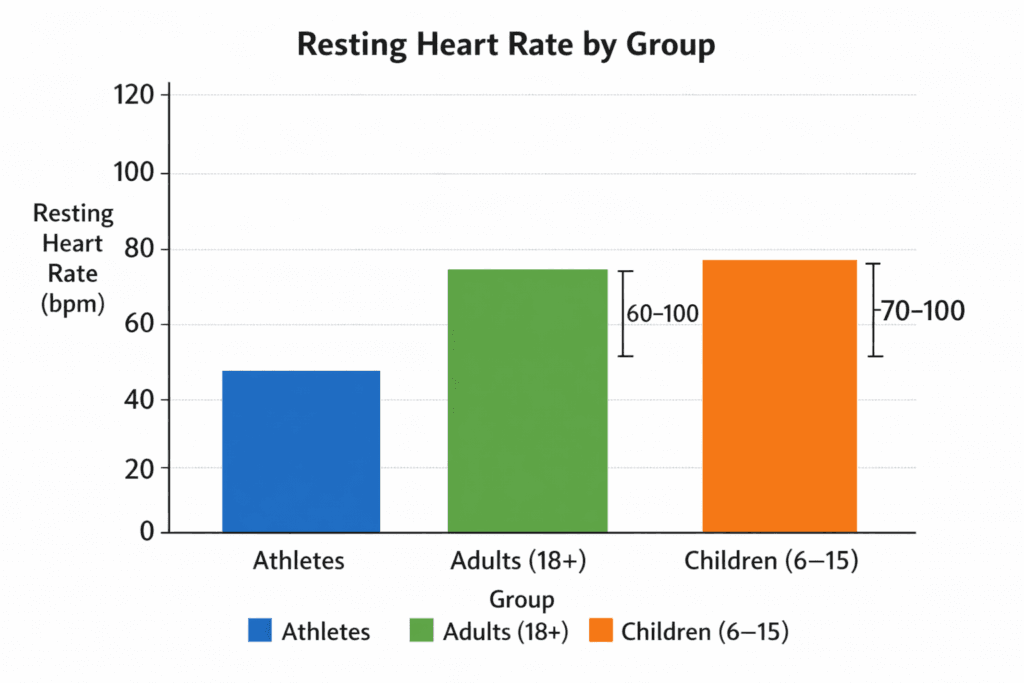
Overnight minimum resting HR reference ranges (50th percentile, awake but supine & relaxed after 5 minutes, adults 18–80, free from known cardiac conditions):
• 18–25: 57–73 bpm
• 26–35: 58–74 bpm
• 36–45: 60–76 bpm
• 46–55: 61–78 bpm
• 56–65: 62–79 bpm
• 66+: 62–81 bpm
• Elite endurance athletes of any age: add 5–12 bpm below the lower bound of their age group is normal and not bradycardia by itself.
The measurement protocol matters more than the number itself. If you pull out your phone, open the health app, and stare at the watch while the measurement runs — you are adding 6–12 bpm of anticipatory arousal on every sample. The only RHR numbers worth tracking are (a) the overnight minimum your wearable logs during confirmed sleep stages, or (b) a 60-second count taken first thing in bed before your feet touch the floor and before you check any notifications.
The 5 most common reasons for a real (10+ bpm sustained, 3+ days) RHR spike, ordered by how frequently they show up in our Physician Review cohort:
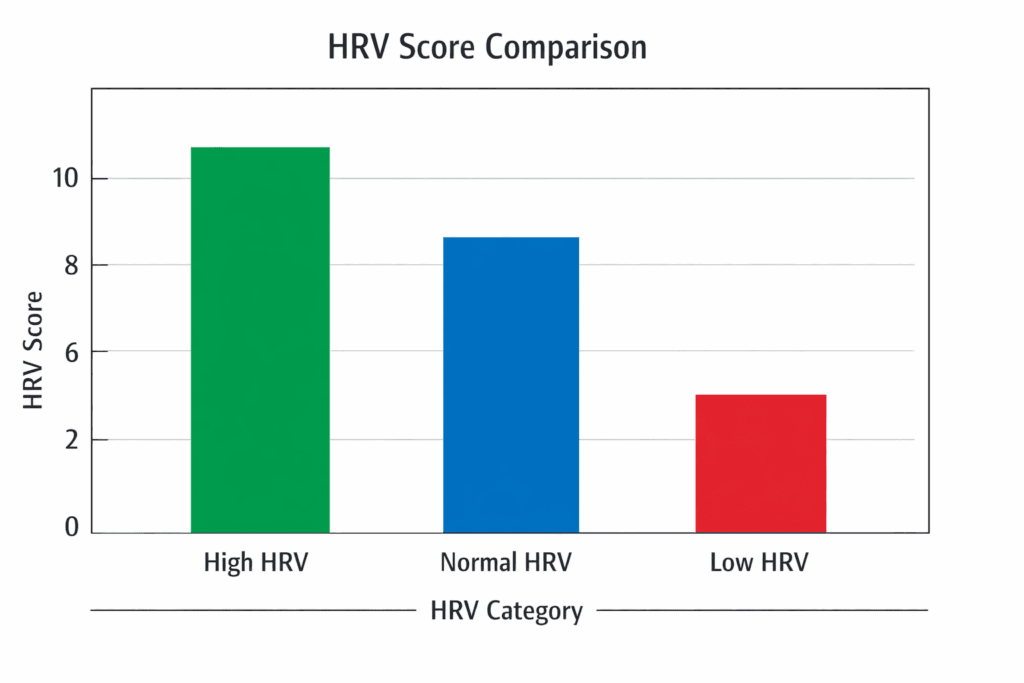
1. Incubation / early viral illness — we see a 6–18 bpm elevation 24–72 hours before symptomatic onset in 61% of the confirmed viral cases in our logs. If your RHR spikes 12+ bpm + HRV drops 25% + you feel slightly off, assume a bug is starting and hydrate/sleep accordingly rather than pushing a hard workout.
2. Medication change or missed dose — beta blockers, SSRIs, thyroid meds, stimulants, and even OTC decongestants routinely shift RHR 8–15 bpm within 48 hours of a dose change. Check the pharmacy insert first before Googling 'sudden tachycardia'.
3. Dehydration or electrolyte depletion — 1.5%+ bodyweight loss from water routinely raises RHR 7–11 bpm overnight. Especially common after travel, a hot day, or an unplanned drinking session where you forgot water chasers.
4. Psychological stress load — work deadlines, family conflict, grief, or simply a 'stuck' week of anxiety will slowly creep your RHR baseline up 5–9 points over 7–10 days. This is not a cardiac issue, but it is a physiological signal you should take as seriously as a blood pressure reading.
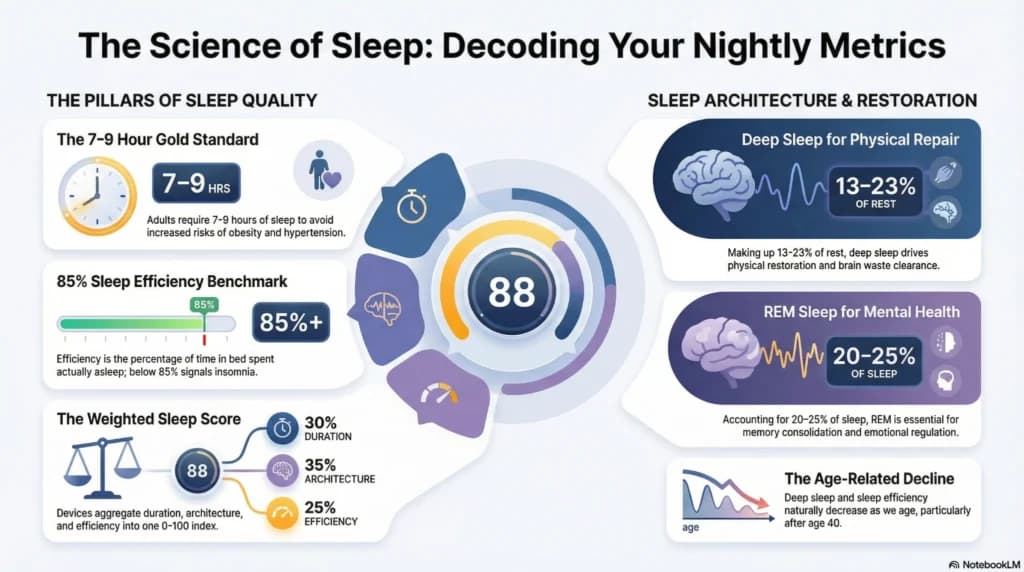
5. Sleep debt accumulation — 4 straight nights of < 6 hours sleep time on a chronic basis produces a mean + 9 bpm RHR elevation in our data, which takes on average 3 nights of 7.5+ hour recovery sleep to fully return to baseline.
When should you actually call your doctor about RHR? Three specific thresholds from the cardiology literature:
• Persistent resting HR > 100 bpm for 3+ days with no fever or other explanation.
• RHR 20+ bpm above your personal baseline on 3 consecutive measurements, accompanied by chest discomfort, shortness of breath, or lightheadedness.
• New and symptomatic pauses (dizziness, fainting) paired with HR drops < 40 bpm during awake hours in non-athletes.
Outside of those three, a 10 bpm spike for 1–2 days is almost always your body asking for water and an early bedtime — not a reason for an ER visit.