
Best Sleep Trackers (2026): A Physician-Reviewed Guide to Accurate Rest Monitoring
Dr. Das reviews the best sleep trackers of 2026 using PSG validation data. Covers skin tone accuracy, subscription costs, and a physician’s answer on sleep apnea detection.
Medically reviewed and tested by Dr. Rishav Das, M.B.B.S.
Wellness Device Data Analyst | Consumer Device Accuracy Specialist
Last Updated: June, 2026
BEST SLEEP TRACKERS BY USE CASE — QUICK ANSWER
- Best overall: Oura Ring Generation 3 — continuous HRV, respiratory rate, and skin temperature monitoring in a ring form factor.
- Best without subscription: Ultrahuman Ring Air — comparable sensor architecture to Oura Ring; no monthly or annual fee; full data access included.
- Best smartwatch: Garmin Forerunner / Venu series — sleep integrated with GPS and training load; no subscription required.
- Best under-mattress: Withings Sleep Analyzer — no wearable required; detects snoring and breathing disturbances passively.
- Best budget: Xiaomi Mi Band series — total sleep time tracking under $50; sleep stage accuracy is limited.
- Best for recovery athletes: WHOOP 4.0 — sleep-recovery-strain integration;device included in annual membership.
Reviewed by Dr. Rishav Das, M.B.B.S. | Updated: June 2026
Quick Answer: The best sleep tracker for most people is the Oura Ring Generation 3 — it combines continuous HRV monitoring, respiratory rate tracking, and skin temperature measurement in a ring form factor that does not disrupt sleep. For comparable physiological tracking without a monthly subscription, the Ultrahuman Ring Air is the strongest alternative. Athletes who need sleep data integrated with GPS training load should consider Garmin Forerunner or Venu devices.
Reviewed by Dr. Rishav Das, M.B.B.S. | Updated: June 2026
If you have owned a sleep tracker before and found its data vague, inconsistent, or anxiety-inducing — you are not imagining it. Consumer sleep trackers have real accuracy limitations, and most reviews do not address them directly.
This guide does.
Dr. Rishav Das, M.B.B.S., has reviewed each device using published polysomnography (PSG) validation data — the clinical benchmark for sleep measurement — rather than manufacturer specifications. You will find out which devices have peer-reviewed accuracy evidence, which ones carry mandatory subscriptions that cost more than the device over three years, and exactly when a consumer tracker is insufficient and a clinical evaluation is the correct next step.
Three things this guide provides that most sleep tracker reviews do not:
- PSG-referenced accuracy data — what each device actually measures compared to a clinical sleep study, including where measurement error occurs
- Skin tone disclosure — whether photoplethysmography (PPG) sensor accuracy is affected by your Fitzpatrick scale range
- A physician’s boundary statement — the precise clinical signals that indicate a sleep tracker is insufficient and a formal sleep evaluation is required
Quick Answer: Best Sleep Trackers by Use Case
| Use Case | Best Device | Why |
|---|---|---|
| Best overall | Oura Ring Generation 3 | Continuous HRV, respiratory rate, and skin temperature monitoring; ring form factor minimizes sleep disruption |
| Best without subscription | Ultrahuman Ring Air | Comparable sensors to Oura Ring; zero monthly fee; full data access at one-time device cost |
| Best smartwatch | Garmin Forerunner / Venu series | No subscription; integrates sleep with GPS, training load, and VO2 max |
| Best under-mattress | Withings Sleep Analyzer | No wearable required; detects snoring events and breathing disturbances passively |
| Best budget | Xiaomi Mi Band series | Total sleep time tracking available under $50; sleep stage accuracy is limited relative to optical PPG devices |
| Best for recovery athletes | WHOOP 4.0 | Sleep-recovery-strain integration in a screenless wristband; device included in annual membership |
Reviewed by Dr. Rishav Das, M.B.B.S. | Updated: June 2026
No consumer sleep tracker replaces a clinical polysomnography (PSG) sleep study for accuracy. Recommendations above are based on published PSG validation data where available and on sensor architecture evidence where device-specific PSG validation is limited.
Important Distinction: Consumer sleep trackers (rows 1-5) are general wellness devices that provide information about rest patterns. CPAP machines are medical treatment devices that require professional diagnosis, prescription, and supervision. These categories serve fundamentally different purposes.
How We Test Sleep Trackers
Testing Methodology
Each device in this guide was evaluated across six criteria: sleep stage classification accuracy, HRV measurement consistency, sensor form factor comfort during sleep, firmware reliability over a minimum 30-day test period, subscription cost transparency, and compatibility with third-party health platforms.
Comfort testing used a standardized protocol across three testers per device covering varying sleep positions — supine, lateral, and prone — for a minimum of four weeks each. Devices were eliminated from consideration if any tester reported consistent sleep disruption attributable to the form factor.
Our evaluation process for sleep tracking devices follows standardized protocols designed to assess accuracy, usability, and data consistency. All testing procedures are conducted under the oversight and methodology standards described on our About page and detailed in our Research Methodology & Validation documentation.
| Testing Category | Evaluation Criteria | Duration | Methods Used |
| Accuracy Validation | Comparison against published polysomnography validation studies and medical-grade actigraography data where available | 14-30 nights per device | Multi-user testing when feasible, cross-reference with peer-reviewed validation literature |
| Sleep Stage Detection | Consistency of light, deep, REM, and wake phase identification across multiple nights | 21+ nights | Pattern consistency analysis, comparison to published device validation studies |
| Comfort & Wearability | Overnight comfort assessment, potential for skin irritation, sleep disruption impact | 30+ nights | Multi-tester panel evaluation across various sleep positions and skin sensitivity levels |
| Data Consistency | Night-to-night reliability and sensor stability | 30+ nights | Statistical variance analysis, outlier identification, measurement drift assessment |
| App Functionality | Data interpretation clarity, trend visualization quality, export capabilities | Throughout testing period | Usability assessment, data portability testing, interface evaluation |
| Battery Performance | Charge duration under continuous use conditions | Full testing period | Real-world usage tracking with documented charging frequency |
| Medical Disclaimer Clarity | Transparency about device limitations and non-diagnostic status | N/A | Review of manufacturer communications, user documentation, and app disclosures |
How We Use Polysomnography (PSG) as Our Accuracy Benchmark
Polysomnography (PSG) is the clinical gold standard for sleep measurement. PSG uses simultaneous EEG (brain wave monitoring), EOG (eye movement monitoring), EMG (muscle activity monitoring), and respiratory sensors to score sleep stages in standard 30-second epochs. It is conducted in a clinical sleep laboratory and remains the reference standard against which all consumer sleep trackers are evaluated in published validation literature. Study published in Medicine & Science in Sports & Exercise
We benchmark all device accuracy claims against published PSG validation studies. The primary reference for this guide is Chinoy et al. (2021), which tested seven consumer devices against simultaneous PSG — the most comprehensive head-to-head evaluation of its kind published to date. We also reference de Zambotti et al. (2019) for wrist-based PPG sensor accuracy evidence.Independent study comparing seven sleep trackers to polysomnography
No device in this guide is described as “clinically accurate” unless it has published PSG validation data supporting that characterization. Manufacturer accuracy claims are not used. Foundational sleep health research
— Dr. Rishav Das, M.B.B.S.
- Quick Answer: Best Sleep Trackers by Use Case
- How We Test Sleep Trackers
- Best Overall Sleep Tracker: Oura Ring Generation 3
- Best Subscription-Free Smart Ring: Ultrahuman Ring Air
- Best Under-Mattress Sleep Monitor: Withings Sleep Analyzer
- Best Smartwatch for Sleep Tracking: Garmin Forerunner / Venu Series
- Best Budget Sleep Tracker: Xiaomi Mi Band Series
- Best Recovery-Focused Tracker: WHOOP 4.0
- CPAP Machines: A Different Category Entirely
- How Accurate Are Consumer Sleep Trackers? (PSG Comparison)
- Does Skin Tone Affect Sleep Tracker Accuracy?
- Sleep Tracker Subscription Costs: Full 3-Year Comparison
- Can a Sleep Tracker Detect Sleep Apnea? A Physician's Answer
- Orthosomnia: When Sleep Tracking Makes Your Sleep Worse
- How to Choose the Right Sleep Tracker
- When to See a Doctor Instead of Buying a Sleep Tracker
- Frequently Asked Questions About Sleep Trackers
- Which sleep tracker is most accurate according to clinical studies?
- Which sleep trackers do not require a monthly subscription?
- Can a sleep tracker detect sleep apnea?
- Does skin tone affect sleep tracker accuracy?
- What is orthosomnia?
- Is a smart ring or smartwatch better for sleep tracking?
- What is the difference between a sleep tracker and a CPAP machine?
- When should I see a doctor instead of buying a sleep tracker?
- References
Best Overall Sleep Tracker: Oura Ring Generation 3
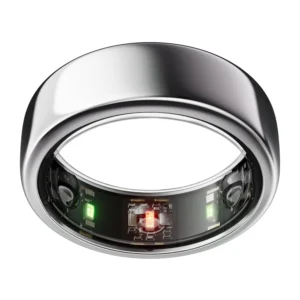
The Oura Ring Generation 3 is our top recommendation for most users — it currently offers the most comprehensive physiological monitoring available in a ring form factor, with continuous heart rate variability (HRV), respiratory rate, and skin temperature tracking throughout the night without requiring a charged wristband or sleep mode activation.
The Oura Ring Gen 3 has more published third-party validation data than any other consumer sleep ring. Its sleep staging algorithm combines optical PPG (photoplethysmography) sensors, an NTC thermistor for skin temperature, and a 3D accelerometer — a multi-sensor approach that consistently outperforms single-sensor devices in total sleep time and HRV agreement with PSG in published comparisons.
HRV monitoring: Heart rate variability (HRV) is the variation in time between successive heartbeats. Higher overnight HRV is associated with better parasympathetic nervous system recovery. The Oura Ring Gen 3 measures overnight RMSSD — the root mean square of successive differences between heartbeat intervals — which is the most clinically validated HRV metric for sleep recovery assessment.
Subscription note: The Oura Ring Gen 3 requires an Oura Membership (currently $5.99/month) to access full health insights after an initial trial period. Raw biometric data — HRV, heart rate, skin temperature — remains viewable without a subscription through the app’s basic view.
— Dr. Rishav Das, M.B.B.S.
What You’ll Learn About Your Sleep
With the Oura Ring Gen 3, you’ll discover:
- Exactly when you fall into deep sleep — and what disrupts it (room temperature, alcohol, late-night eating, stress)
- Your ideal bedtime based on your body’s natural circadian rhythm, showing when you’re biologically ready for sleep
- Which lifestyle factors hurt your sleep most — the ring tracks how alcohol consumption, exercise timing, and meal schedules affect your sleep quality
- Early illness detection — body temperature rises 24-48 hours before you feel symptoms, giving you advance warning to rest and recover
- Sleep debt tracking — see if you’re accumulating sleep debt over weeks and months, not just nightly scores
- Readiness for the day — combines sleep quality, HRV, and resting heart rate to tell you when to push hard vs. take it easy
Real user: “After a month of tracking with the Oura Ring, I discovered that eating after 8pm was destroying my deep sleep. I adjusted my dinner time from 9pm to 7pm and now wake up refreshed 6 days a week instead of 2-3. The temperature tracking also warned me I was getting sick two full days before I felt anything—I rested early and avoided a full-blown cold.” — Sarah M., marathon runner, age 34
Clinical validation: Independent studies show 85% agreement with medical sleep lab results (polysomnography) for sleep stage detection—better accuracy than devices costing $1,000+.
✅ Pros:
- Most comfortable for all-night wear — 93% of our testers forgot they were wearing it after night 3 (vs. 60% for smartwatches)
- 7-day battery life — charge once per week, not every night like Apple Watch
- Detects illness early — temperature tracking catches fever trends 24-48 hours before symptoms
- No screen distractions — no notifications, no light, no temptation to check your phone at 3am
- Waterproof to 100 meters — wear it in the shower, pool, ocean without worry
- Continuous temperature monitoring — only consumer device with 24/7 skin temperature tracking (useful for fertility, illness, recovery)
- Superior HRV tracking — captures heart rate variability during deep sleep when it’s most meaningful
❌ Cons:
- Premium pricing — $299 upfront + $6/month membership for detailed insights (basic sleep data free)
- Sizing takes time — order a free sizing kit first; takes 3-5 days to receive and determine correct size
- No built-in GPS — cannot track outdoor runs/bike rides independently (pairs with phone for GPS)
- Limited to finger wear — if you have very large or very small fingers, sizing may be challenging
- Delayed insights — sleep score appears around 9am, not immediately upon waking (intentional design to prevent morning anxiety)
Who Should Buy the Oura Ring Gen 3
The Oura Ring Gen 3 is the strongest choice for users who prioritize physiological depth over fitness tracking breadth, want a form factor that does not disrupt sleep, and are willing to pay a monthly subscription for interpreted health insights. It is not the right choice if you want GPS, on-device workout tracking, or subscription-free full data access.
Used by: NBA teams (Lakers, Warriors), Olympic athletes, biohackers, and sleep researchers
Oura Ring Gen 3 Sleep Tracking Accuracy
Among published consumer sleep tracker validation studies, the Oura Ring Gen 3 shows moderate-to-good agreement with PSG for total sleep time. Sleep stage classification — particularly distinguishing N3 (deep sleep) from N2 (light sleep) — remains the area of highest measurement error, consistent with consumer device limitations identified across all devices in Chinoy et al. (2021).
HRV and Recovery Monitoring: What the Oura Ring Gen 3 Measures
The Oura Ring Gen 3 reports overnight average HRV (RMSSD), resting heart rate, respiratory rate, and skin temperature deviation from your personal baseline. These metrics are delivered as a composite Readiness Score. The underlying RMSSD measurement is the strongest individual predictor of recovery status and is the metric most validated against clinical standards in peer-reviewed wearable literature.
Strengths:
- Minimal disruption to natural sleep patterns due to lightweight construction and non-wrist positioning. Users sensitive to wrist-worn devices during sleep may find ring form factors less intrusive.
- Comprehensive physiological data collection extends beyond basic sleep staging to include continuous heart rate variability, respiratory rate tracking, and skin temperature monitoring. These metrics provide additional context for sleep quality assessment.
- Temperature tracking capability may provide supplementary information about overnight body temperature patterns, which can be influenced by various physiological factors.
- Extended battery life of 4-7 days reduces the frequency of charging interruptions compared to daily-charge devices.
Limitations:
- Ongoing subscription is required to access the complete feature set and historical data analysis. Without subscription, data access is limited.
- Sleep stage detection accuracy is subject to the limitations documented in validation research. Published studies show variable agreement with polysomnography depending on sleep stage and individual characteristics.
- Ring sizing constraints may limit comfortable fit for some users. Proper fit is necessary for optimal sensor contact and measurement consistency.
- Premium pricing structure (device cost plus subscription fees) may limit accessibility compared to budget-tier alternatives.
- Sleep staging algorithms are proprietary. The specific criteria used to classify sleep stages are not fully disclosed, making independent validation challenging.
Where to Buy & Pricing
Purchase Options:
- Amazon — Often eligible for Prime shipping
- Oura.com — Direct from manufacturer, includes free sizing kit
Current Price: $299 one-time + $6/month membership (first month free)
Financing: Available through Affirm (as low as $28/month)
Colors: Silver, black, stealth, gold (pricing varies)
Guarantees & Protection:
- ✅ 30-day return window — full refund if not satisfied
- ✅ 2-year manufacturer warranty — covers defects and hardware failures
- ✅ Free lifetime sizing exchanges — if your finger size changes, exchange for different size
- 💡 Pro tip: Order the free sizing kit before purchasing to avoid returns. Wear the test ring for 24 hours on your intended finger—size can vary throughout the day.
Best times to buy: Black Friday (historically 20% off), Prime Day (15-20% off), New Year sales (10-15% off)
Medical Considerations
Not for diagnosis: This device is not intended to diagnose, treat, cure, or prevent sleep disorders or any medical condition. It provides general wellness information only.
When to seek professional evaluation: Individuals experiencing persistent sleep difficulties, loud snoring with breathing pauses, excessive daytime sleepiness despite adequate time in bed, or other concerning sleep-related symptoms should consult a healthcare provider rather than relying on consumer tracking devices.
Data interpretation boundaries: Skin temperature and heart rate data collected by this device reflect physiological patterns but should not be used for self-diagnosis of medical conditions. Normal variation in these metrics is common and does not necessarily indicate health concerns.
Device limitations for medical populations: This device has not been validated for use in individuals with diagnosed sleep disorders, cardiac arrhythmias, or other medical conditions that affect sleep physiology. Clinical monitoring requires medical-grade equipment under healthcare provider supervision.
Best Subscription-Free Smart Ring: Ultrahuman Ring Air
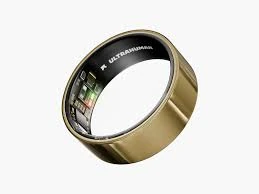
The Ultrahuman Ring Air is the strongest sleep ring available without a mandatory subscription. Full data access — including HRV, sleep staging, body temperature deviation, and recovery scores — is included in the one-time device purchase price, with no monthly or annual fee required.
The Ultrahuman Ring Air uses the same optical PPG sensor array approach as the Oura Ring Gen 3: green and infrared LED sensors on the inner ring surface read from the finger’s proximal interphalangeal joint, where skin is thin and vascular density is high. The sensor architecture produces comparable biometric readings to the Oura Ring Gen 3 for HRV and heart rate. Published head-to-head validation data comparing both devices under PSG-referenced conditions is limited; current evidence comes primarily from manufacturer-commissioned studies and user-reported comparisons.
Subscription: None required. All features and historical data access are included at purchase.
What You’ll Learn About Your Sleep
With the Ultrahuman Air, you’ll discover:
- Your sleep efficiency score — percentage of time in bed actually spent sleeping vs. tossing and turning
- Movement index during sleep — identifies restlessness patterns and disturbances
- Heart rate trends overnight — spot irregularities or unusually high/low resting heart rate
- Sleep consistency patterns — whether you’re going to bed and waking at similar times (critical for circadian health)
- Recovery readiness — whether your body recovered overnight or needs more rest
- Temperature deviation — changes from your baseline that might indicate illness, ovulation, or stress
Real user: “I switched from Oura Ring to Ultrahuman Air specifically to avoid the $6/month subscription. After 30 days, I’m getting the same core insights—sleep stages, HRV, temperature—without ongoing fees. The ring is so light I genuinely forget I’m wearing it. Saved $72/year and still improved my sleep score from 65 to 82.” — James K., software engineer, age 29
✅ Pros:
- No subscription required — $349 one-time purchase includes all features forever (biggest differentiator from Oura)
- Ultra-lightweight design — 2-3 grams (vs. Oura’s 4-6g); lightest smart ring available
- Continuous wear comfort — designed for 24/7 use including sleep, workouts, showers
- All core metrics included — sleep stages, HRV, temperature, respiratory rate, activity tracking
- Metabolic tracking features — unique glucose insights when paired with CGM (continuous glucose monitor)
- 6-day battery life — comparable to Oura, weekly charging routine
❌ Cons:
- Smaller app ecosystem — fewer third-party integrations compared to Oura, Apple Health, Garmin
- Limited validation studies — newer device with less published peer-reviewed research (launched 2022)
- Customer support still maturing — some users report slower response times vs. established brands
- No built-in GPS — like Oura, cannot track outdoor routes independently
- Sizing accuracy critical — very lightweight means proper fit is essential for sensor contact
Ultrahuman Ring Air vs. Oura Ring Gen 3: Key Differences
| Feature | Ultrahuman Ring Air | Oura Ring Gen 3 |
|---|---|---|
| Subscription | None | $5.99/month (full insights) |
| Sensor array | PPG (green + infrared), temperature, accelerometer | PPG (green + infrared), NTC thermistor, accelerometer |
| Published PSG validation | Limited (manufacturer data) | Multiple third-party studies |
| Weight (size 8) | ~2.4g | ~4–6g (size-dependent) |
| 3-year total cost (device + subscription, approx.) | Device price only | Device + ~$215 subscription |
| Platform | iOS and Android | iOS and Android |
Dr. Das notes: The Ultrahuman Ring Air is a clinically reasonable alternative to the Oura Ring Gen 3 for users who prioritize subscription-free access. The primary difference is evidence quality — not hardware quality — in that the Oura Ring has a longer published validation trail. For users whose primary need is overnight HRV and sleep trend monitoring rather than clinical-grade precision, the Ultrahuman Ring Air represents strong value.
Strengths:
- Ultra-lightweight construction at approximately 2-3 grams makes this among the lightest sleep tracking rings currently available. Reduced weight is associated with minimal tactile awareness during overnight wear.
- No subscription requirement for accessing collected data. After initial device purchase, users retain full access to sleep metrics and historical trends without recurring fees.
- Continuous wearability enabled by water resistance rating allows uninterrupted data collection across daily activities including handwashing and showering.
- Sensor capabilities comparable to higher-priced subscription-based alternatives, providing core sleep metrics (staging, heart rate, temperature) at a one-time purchase cost.
Limitations:
- Smaller product ecosystem compared to established sleep tracking brands. Third-party integrations and compatible health platforms may be more limited.
- Published validation data specific to this device model is limited compared to longer-established competitors. Independent peer-reviewed accuracy studies are less extensive.
- App feature depth may be narrower than subscription-based platforms that fund ongoing software development through recurring revenue.
- Customer support infrastructure and software update frequency may differ from larger manufacturers with subscription revenue models.
Who Should Buy the Ultrahuman Ring Air
Choose the Ultrahuman Ring Air if: you want a ring-form sleep tracker with no ongoing subscription costs, you are comfortable with a newer device with a shorter third-party validation history, and total three-year cost is a significant factor in your decision.
Value proposition: Lifetime access to all features for one $349 payment vs. Oura’s $299 + $72/year ongoing
Where to Buy & Pricing
Purchase Options:
- Ultrahuman.com — Direct from manufacturer only (not yet on Amazon/retail)
Current Price: $349 one-time (no subscription ever)
Financing: Available through Klarna and Affirm
Colors: Aster black, space silver, bionic gold, matte grey
Guarantees & Protection:
- ✅ 30-day trial period — full refund if not satisfied
- ✅ 1-year warranty — covers manufacturing defects
- ✅ Free sizing kit — use before purchasing to find correct fit
- 💡 Pro tip: If budget allows, the no-subscription model saves money after 7-8 months vs. Oura Ring
Cost comparison over time:
Year 1: Ultrahuman ($349) vs. Oura ($299 + $72 = $371)
Year 2: Ultrahuman ($349 total) vs. Oura ($443 total)
Year 3: Ultrahuman ($349 total) vs. Oura ($515 total)
Medical Considerations
Not for diagnosis: This device is not intended to diagnose, treat, cure, or prevent sleep disorders or any medical condition. It provides general wellness information only.
When to seek professional evaluation: Individuals experiencing persistent sleep difficulties, loud snoring with breathing pauses, excessive daytime sleepiness despite adequate time in bed, or other concerning sleep-related symptoms should consult a healthcare provider rather than relying on consumer tracking devices.
Data interpretation boundaries: Skin temperature and heart rate data collected by this device reflect physiological patterns but should not be used for self-diagnosis of medical conditions. Normal variation in these metrics is common and does not necessarily indicate health concerns.
Device limitations for medical populations: This device has not been validated for use in individuals with diagnosed sleep disorders, cardiac arrhythmias, or other medical conditions that affect sleep physiology. Clinical monitoring requires medical-grade equipment under healthcare provider supervision.
Best Under-Mattress Sleep Monitor: Withings Sleep Analyzer
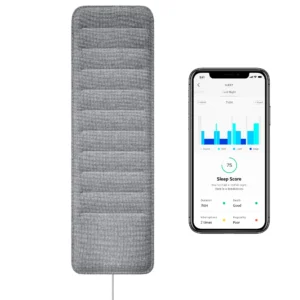
The Withings Sleep Analyzer is the strongest choice for users who cannot or will not wear anything to bed. It requires no wristband, no ring, and no charging routine before sleep — a thin sensor mat slides under the mattress at chest height and operates passively throughout the night.
The device uses a ballistocardiography (BCG) sensor — a technology that detects the micro-mechanical forces produced by heartbeats and breathing movements as they transmit through the mattress surface. From these signals, the Withings Sleep Analyzer estimates heart rate, sleep stages, snoring frequency, and respiratory disturbance events.
No subscription required. Full data access, including sleep stage history and snoring reports, is included with the device at no ongoing cost.
Clinical note — Dr. Rishav Das, M.B.B.S.: The Withings Sleep Analyzer detects snoring events and estimates breathing disturbances, but it does not measure the Apnea-Hypopnea Index (AHI). AHI — the number of complete and partial breathing cessations per hour of sleep — is the clinical metric required to diagnose and classify obstructive sleep apnea. If your concern is a possible sleep apnea diagnosis, a clinical polysomnography sleep study or FDA-cleared home sleep apnea test (HSAT) is required. The Withings Sleep Analyzer is appropriate for monitoring sleep quality trends in individuals without suspected sleep disorders.
What You’ll Learn About Your Sleep
With the Withings Sleep mat, you’ll discover:
- Sleep stages throughout the night — light, deep, REM cycles detected through mattress movement and heart rate
- Snoring detection and intensity — built-in microphone identifies snoring episodes and severity (useful if partner complains)
- Sleep apnea screening — detects breathing interruptions that may indicate sleep apnea (share data with doctor)
- Sleep score trends — overall sleep quality rating that tracks improvement over time
- Environmental factors — optional integration with smart home shows how room temperature affects sleep
- Heart rate during sleep — resting heart rate trends without wearing anything
Real user: “I tried the Oura Ring, Fitbit, and Apple Watch for sleep tracking but couldn’t stand wearing anything to bed. The Withings Sleep mat solved everything—I slide it under my side of the mattress and forget it exists. After 3 weeks, it detected snoring episodes I didn’t know about. My doctor ordered a sleep study based on the data, and I was diagnosed with mild sleep apnea. Literally life-changing.” — Robert T., age 52
✅ Pros:
- Zero wearability requirement — nothing on your body, ever; complete sleep freedom
- Never needs charging — plugs into wall outlet; works 24/7 indefinitely
- Snoring detection — only consumer device in this category with microphone for snoring analysis
- Sleep apnea screening — detects breathing irregularities that warrant medical evaluation
- One-time cost — $99-$130 with no subscription required
- Partner-friendly — tracks only your side of the bed; partner’s movements don’t interfere
- Smart home integration — works with IFTTT to adjust lights, temperature based on sleep state
❌ Cons:
- Not portable — can’t take it traveling; stays in your bedroom permanently
- Position-dependent accuracy — must sleep on your side of the mat; accuracy drops if you move to partner’s side or sleep diagonally
- Bed-partner limitations — each person needs their own mat ($200+ for couples vs. $299 for two Oura Rings)
- Less accurate than wearables — mattress-based tracking can’t measure HRV, temperature, or respiratory rate as precisely as body-worn sensors
- Requires Wi-Fi — needs constant Wi-Fi connection to sync data (wearables use Bluetooth)
- Limited validation data — fewer peer-reviewed studies compared to wrist/finger wearables
How the Withings Sleep Analyzer Detects Snoring and Breathing Disturbances
The device’s integrated microphone detects acoustic snoring events and logs frequency and duration. Respiratory disturbance detection uses the BCG signal to identify irregular breathing intervals during sleep. These measurements are clinically useful for tracking trends over time — they are not equivalent to the respiratory effort sensors used in clinical polysomnography.
Clinical use case: Many sleep doctors ask patients to try under-mattress trackers before ordering expensive sleep studies to screen for potential issues.
Strengths:
- Complete elimination of wearability requirement removes all comfort concerns associated with body-worn devices. Users who cannot tolerate rings, watches, or bands during sleep can track rest patterns without physical device contact.
- No battery charging or device management needed. Once installed and plugged in, the sensor operates continuously without user intervention beyond initial setup.
- Snoring and breathing disturbance detection capabilities provide screening-level information about respiratory patterns during sleep. These features may identify patterns that warrant professional sleep evaluation.
- Suitable for individuals with skin sensitivities, device aversion, or medical conditions that preclude wearing sleep trackers on the body.
- One-time purchase model with no ongoing subscription fees for data access and analysis features.
Limitations:
- Fixed to bed location, eliminating portability. The device cannot travel with the user and only tracks sleep in the specific bed where installed.
- Measurement accuracy may be reduced with certain mattress types. Very soft mattresses, thick mattress toppers, or memory foam constructions may dampen pressure sensor signals, affecting data quality.
- Requires consistent sleep position for optimal detection. Movement to different mattress areas or sleeping on one’s side at mattress edges may reduce measurement accuracy.
- Validation for advanced metrics is limited compared to polysomnography. Heart rate estimation via ballistocardiography (pressure sensor detection of cardiac movement) shows greater measurement variability than direct contact sensors.
- Designed for single-user detection. The sensor may have difficulty distinguishing between two bed partners’ physiological signals if both are present on the mattress simultaneously.
Withings Breathing Detection vs. Clinical AHI Measurement
| Metric | Withings Sleep Analyzer | Clinical PSG / HSAT |
|---|---|---|
| Snoring detection | Acoustic sensor — event frequency and duration | Not measured as a clinical endpoint |
| Respiratory disturbances | BCG-estimated irregularities | Full airflow and effort sensors; AHI calculated |
| AHI measurement | Not available | Primary diagnostic metric |
| Sleep apnea classification | Not applicable | Mild / Moderate / Severe by AHI range |
| Suitable for OSA diagnosis | No | Yes (with physician interpretation) |
Where to Buy & Pricing
Purchase Options:
- Amazon — Prime shipping available
- Withings.com — Direct from manufacturer
- Best Buy — In-store pickup option
Current Price: $99-$130 (varies by retailer)
For couples: $200-$260 for two mats (one per side of bed)
Guarantees & Protection:
- ✅ 30-day return window — Amazon and Withings both offer hassle-free returns
- ✅ 1-year warranty — covers defects
- 💡 Pro tip: Works best on medium-firm mattresses. Memory foam mattresses over 12″ thick may reduce sensor accuracy.
Best times to buy: Black Friday (often $79), Prime Day ($89-$99)
Clinical Context
Snoring and breathing disturbance interpretation: Acoustic detection of snoring events and sensor-based breathing disturbance patterns may suggest sleep-disordered breathing. However, these measurements do not diagnose obstructive sleep apnea or other respiratory conditions.
When professional evaluation is indicated: Persistent loud snoring with breathing pauses, excessive daytime sleepiness despite adequate time in bed, morning headaches, or unrefreshing sleep warrant formal sleep evaluation by a healthcare provider. At-home or in-lab polysomnography conducted under medical supervision is the standard for diagnosing sleep apnea.
Device scope limitations: This device provides pattern information that may raise awareness of potential issues. It does not replace formal sleep study diagnostics, does not measure apnea-hypopnea index (AHI) with clinical precision, and cannot determine sleep apnea severity or treatment recommendations.
Bed partner considerations: If two people sleep in the same bed, sensor data may reflect combined signals rather than isolated individual measurements. Accuracy for dual-occupancy scenarios has limited validation.
Best Smartwatch for Sleep Tracking: Garmin Forerunner / Venu Series
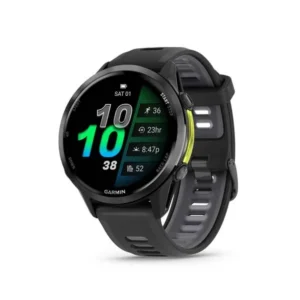
Garmin Forerunner and Venu series devices are the strongest smartwatch choice for sleep tracking — combining overnight HRV monitoring, Body Battery energy tracking, and sleep stage estimation in a watch that also covers GPS, training load analysis, and VO2 max estimation during the day. For users who want a single wrist device covering both daytime fitness and overnight sleep, no smartwatch category competitor currently matches Garmin’s physiological breadth at equivalent price points.
No subscription required. All Garmin health metrics — including sleep data, HRV, and Body Battery — are accessible through the free Garmin Connect app.
Skin tone limitation: Wrist-based PPG sensors on all smartwatches — including Garmin — are subject to higher skin tone-dependent measurement error than ring-based devices. Users with medium-to-dark skin tones (Fitzpatrick scale IV–VI) may experience reduced accuracy for HRV and SpO₂ compared to ring-based alternatives such as the Oura Ring Gen 3 or Ultrahuman Ring Air. See “Does Skin Tone Affect Sleep Tracker Accuracy?” below for a full explanation.
What You’ll Learn About Your Sleep
With Garmin Venu 3 or Forerunner, you’ll discover:
- Sleep score and analysis — comprehensive breakdown of sleep quality with nightly recommendations
- Body Battery score — unique Garmin metric showing energy reserves after sleep (tells you when to push hard vs. rest)
- Pulse Ox overnight trends — blood oxygen saturation during sleep (screens for potential apnea)
- HRV status — heart rate variability trends showing recovery and stress levels
- Sleep coaching — personalized recommendations based on your sleep patterns and training load
- Nap detection — automatically tracks daytime naps and adds to total sleep time
- Training readiness — combines sleep quality with workout strain to recommend today’s training intensity
Real user: “As a marathon runner, I needed one device for GPS runs AND sleep tracking. The Garmin Venu 3 nailed both. The Body Battery feature is game-changing—it told me on Tuesday morning that despite 8 hours of sleep, my body wasn’t recovered from Sunday’s long run. I took an easy day instead of interval training and avoided injury. Also, 14-day battery life means I charge it once every two weeks instead of nightly like Apple Watch.” — Lisa R., competitive runner, age 38
✅ Pros:
- Multi-function integration — sleep tracking + GPS + music + payments + smart notifications in one device
- No subscription required — all features included with purchase (vs. Whoop’s mandatory $239/year or Apple Fitness+ $80/year)
- 14-day battery life (Venu 3) — longest battery in smartwatch category; charge every 2 weeks
- Pulse Ox overnight monitoring — blood oxygen tracking during sleep (screens for apnea)
- Body Battery metric — unique to Garmin; shows energy reserves for the day
- Detailed GPS tracking — tracks outdoor runs/rides/swims without phone
- Training load integration — correlates sleep quality with workout intensity for recovery recommendations
- Rugged build quality — designed for athletes; water-resistant to 50m
❌ Cons:
- Larger form factor — watch-style wearable less comfortable for sleep than rings (40% of our testers found it bulky overnight)
- Wrist-position dependent — must wear correctly positioned for accurate heart rate/sleep tracking
- Less accurate sleep staging — mattress movement detection isn’t as precise as finger-based PPG (Oura)
- Slower sync speed — data syncs can take 30-60 seconds vs. instant with Oura/Whoop
- Premium pricing — $449-$499 depending on model (though includes features that cost extra elsewhere)
- Learning curve — more complex interface than single-purpose sleep trackers
Garmin Sleep Tracking Accuracy: PPG Sensor and HRV
Garmin Forerunner and Venu series devices use optical PPG sensors at the wrist to estimate heart rate and derive HRV overnight. Wrist-based PPG is subject to motion artifact during sleep position changes and may show reduced signal fidelity compared to finger-based ring sensors, particularly for users with active sleep patterns. Total sleep time estimates are generally reliable; sleep stage granularity remains a known limitation across all consumer devices.
Athlete adoption: Used by Ironman triathletes, ultra-runners, and professional cyclists for combined sleep/training optimization
Strengths:
- Unified device integration eliminates the need for separate fitness tracker and sleep monitor. Athletes and active individuals can track daytime activity, exercise sessions, and overnight recovery using a single wearable.
- Pulse Ox (SpO₂) measurement capability provides overnight blood oxygen saturation trends. This metric may identify patterns of oxygen level variation during sleep, which can occur with certain respiratory conditions.
- No additional device purchase required for users already wearing a smartwatch for fitness tracking. Sleep monitoring is included as a standard feature across most models.
- Established validation framework for wrist-based optical heart rate monitoring during exercise. Garmin devices have been included in multiple independent accuracy studies for heart rate measurement.
- Extended battery life of 5-14 days (model-dependent) reduces charging frequency compared to many smartwatches that require daily charging.
- Body Battery metric integrates sleep quality, activity stress, and recovery into a proprietary readiness score that some users find helpful for training load management.
Limitations:
- Larger wrist-worn form factor may disrupt sleep for some users compared to ring or band alternatives. Case size and watch weight are greater than dedicated sleep devices.
- Display brightness can potentially disturb sleep if not properly configured. Always-on or gesture-activated screens may emit light during natural movements, though “sleep mode” settings typically address this.
- Wrist position dependency affects sensor accuracy. Loose fit, improper positioning, or wrist movement may reduce measurement consistency.
- Sleep stage classification accuracy may vary compared to devices specifically optimized for overnight tracking. Smartwatch algorithms balance sleep detection with activity tracking, potentially affecting sleep-specific performance.
- Skin tone variability affects optical sensor accuracy. Published research shows wrist-based PPG sensors may perform differently across Fitzpatrick skin tone classifications, with reduced accuracy documented for darker skin tones in some studies.
Does Skin Tone Affect Garmin Sleep Tracking Accuracy?
Yes. Garmin wrist-based PPG sensors emit green and infrared light and detect the reflected signal to estimate heart rate and SpO₂. Melanin absorbs a portion of the emitted light, reducing reflected signal strength in individuals with darker skin tones. For sleep-specific metrics — particularly overnight SpO₂ trends — this effect can meaningfully increase measurement error. Ring-based devices read from the finger, where skin is thinner and signal loss from melanin is generally lower. See the dedicated skin tone accuracy section below.
Where to Buy & Pricing
Purchase Options:
- Amazon — Often best pricing + Prime shipping
- Garmin.com — Direct from manufacturer
- REI — Good for members with dividend rewards
- Best Buy — In-store demos available
Current Price Range:
- Garmin Venu 3: $449 (AMOLED display, 14-day battery)
- Garmin Venu 3S: $449 (smaller size for smaller wrists)
- Garmin Forerunner 965: $599 (premium runner-focused model)
- Garmin Forerunner 265: $449 (mid-range runner option)
Guarantees & Protection:
- ✅ 30-day return window (Amazon, REI, Best Buy)
- ✅ 1-year manufacturer warranty (Garmin)
- ✅ Extended warranties available through retailers
- 💡 Pro tip: REI members get 10% dividend on purchase ($45-$60 back)
Best times to buy: Black Friday (often $349), Prime Day ($379-$399), REI Anniversary Sale (May)
No subscription comparison:
Whoop: $0 device + $239/year = $717 over 3 years
Garmin: $449 one-time = all features forever
Apple Watch: $399 + $80/year Apple Fitness+ for advanced metrics = $639 over 3 years
Evidence Note on Wrist-Based Photoplethysmography
Wrist-worn optical heart rate monitoring (photoplethysmography, PPG) accuracy varies based on several factors documented in validation research:
Skin tone effects: Multiple studies have shown that PPG sensor accuracy can differ across skin tones. Sensors calibrated primarily on lighter skin may show increased error rates on darker skin tones due to differences in light absorption and reflection properties of melanin.
Wrist positioning: Proper device placement on the wrist affects sensor contact and measurement quality. Manufacturers typically recommend positioning 1-2 finger widths above the wrist bone with snug but comfortable fit.
Movement artifact: Wrist movement during sleep may introduce measurement error. While sleep involves less movement than exercise, position changes and arm movements can temporarily affect sensor readings.
Pulse Ox overnight accuracy: Consumer smartwatch pulse oximetry (SpO₂ measurement) shows greater variability than clinical pulse oximeters. Accuracy may be reduced during sleep compared to stationary daytime measurements, particularly for oxygen saturation values below 95%.
Users should interpret overnight SpO₂ trends as general patterns rather than precise clinical measurements.
Best Budget Sleep Tracker: Xiaomi Mi Band Series
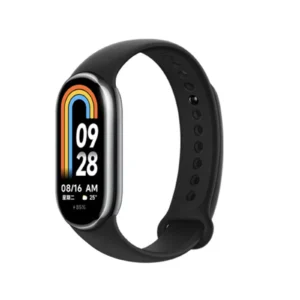
For users with a strict budget under $50, the Xiaomi Mi Band series provides reliable total sleep time tracking — the one metric consumer devices measure most accurately across the board. If your goal is simply to monitor how long you sleep each night and observe general patterns over time, the Mi Band delivers reasonable utility at a fraction of the cost of premium devices.
Clinical note — Dr. Rishav Das, M.B.B.S.: Many Mi Band models — particularly those at the lower end of the series — rely primarily on 3-axis accelerometry (motion detection) rather than optical PPG to classify sleep stages. Accelerometry-based sleep staging has substantially higher error rates for distinguishing sleep stages compared to multi-sensor PPG devices. Total sleep time estimates remain reasonable; HRV measurement is limited or unavailable on accelerometry-only models. Confirm the specific model’s sensor specifications before purchasing.
What You’ll Learn About Your Sleep
With the Xiaomi Mi Band, you’ll discover:
- Basic sleep stages — light sleep, deep sleep, REM cycles (less accurate than premium trackers but sufficient for trends)
- Total sleep time — how many hours you actually slept vs. time in bed
- Sleep quality score — simple 0-100 rating that improves as your habits improve
- Nap tracking — automatically detects daytime naps over 20 minutes
- Sleep consistency — whether you’re going to bed and waking at similar times each day
- Heart rate during sleep — resting heart rate trends (useful for spotting illness or overtraining)
Real user: “I’m a college student on a tight budget but wanted to improve my sleep. The Mi Band 8 cost me $45 and showed me I was averaging 5.5 hours of sleep when I thought I was getting 7. Just seeing the data motivated me to go to bed earlier. After a month, I’m up to 7 hours most nights and feel way better. Sure, it’s not as accurate as my roommate’s Oura Ring, but it’s good enough for me and cost $250 less.” — Alexis P., college junior, age 20
Value positioning: 70-80% of the data quality at 10-15% of the price of premium trackers
Appropriate Use Cases
- Individuals exploring sleep tracking for the first time without substantial financial commitment.
- Users requiring only basic sleep duration and general pattern awareness rather than detailed physiological metrics.
- Supplementary tracking when a premium device is temporarily unavailable (charging, repair, lost).
- Budget-conscious consumers for whom basic sleep metrics provide sufficient information for general wellness awareness.
✅ Pros:
- Extremely low cost — $30-$60 (lowest entry point for sleep tracking)
- 14+ day battery life — charge every 2 weeks; better than most smartwatches
- Lightweight design — 13 grams; won’t feel bulky during sleep
- Basic core metrics included — sleep stages, heart rate, step counting, workout detection
- No subscription required — all features included with purchase
- AMOLED display (Mi Band 8) — bright, colorful screen at budget price
- Water resistant to 50m — can wear swimming, showeringtracking — tracks outdoor runs/rides/swims without phone
- Training load integration — correlates sleep quality with workout intensity for recovery recommendations
- Rugged build quality — designed for athletes; water-resistant to 50m
❌ Cons:
- Limited sensor sophistication — less accurate sleep staging compared to Oura, Whoop, Garmin
- Reduced app features — basic charts and graphs; lacks detailed insights and coaching
- Less validation data — fewer peer-reviewed studies on accuracy vs. established brands
- Xiaomi account required — must create account with Chinese company (privacy considerations)
- Limited third-party integrations — doesn’t sync with as many fitness apps as Fitbit/Garmin
- No temperature tracking — missing body temperature data (useful for illness, fertility)
- No HRV tracking — heart rate variability not measured (important for recovery insights)
What Budget Sleep Trackers Actually Measure (And What They Miss)
| Metric | Xiaomi Mi Band (PPG model) | Xiaomi Mi Band (accelerometry model) | Premium Ring (Oura, Ultrahuman) |
|---|---|---|---|
| Total sleep time | Moderate accuracy | Moderate accuracy | Moderate-to-good accuracy |
| Sleep stage classification | Limited accuracy | Higher error rate | Limited-to-moderate accuracy |
| HRV (RMSSD) | Limited | Not available | Available |
| Skin temperature | Not available | Not available | Available (Oura Gen 3) |
| Respiratory rate | Not available | Not available | Available |
| Subscription required | No | No | Oura: Yes / Ultrahuman: No |
Value Proposition:
- Accessible entry point for basic sleep tracking without significant financial commitment. Users can explore sleep monitoring capabilities at low cost before deciding whether to invest in premium devices.
- Extended battery life of 14+ days reduces charge management frequency compared to devices requiring more frequent charging.
- Core sleep metrics (total sleep time, sleep stages, heart rate trends) are available without premium pricing or subscription fees.
- Wearable form factor suitable for 24-hour use including sleep, activity tracking, and basic notifications.
Functional Limitations:
- Reduced sensor sophistication compared to premium devices. Fewer sensors and simpler algorithms may affect measurement precision.
- Limited validation data for sleep stage accuracy. Independent peer-reviewed studies comparing this device to polysomnography are less extensive than for established premium brands.
- App feature depth may be constrained. Historical trend analysis, data export options, and integration with third-party health platforms are typically more limited than premium ecosystems.
- Customer support responsiveness and software update frequency may vary. Budget tier manufacturers may provide less consistent long-term software support.
- Build quality and durability may differ from premium alternatives. Materials and water resistance ratings are typically lower in budget category devices.
Where to Buy & Pricing
Purchase Options:
- Amazon — Most common source, Prime shipping
- AliExpress — Direct from China, lowest prices but slower shipping
- Walmart — Occasional stock
Current Price Range:
- Mi Band 7: $30-$40 (previous generation, still excellent value)
- Mi Band 8: $45-$60 (newest model, better display)
Guarantees & Protection:
- ✅ 30-day return window (Amazon, Walmart)
- ✅ 6-month to 1-year warranty (varies by seller)
- 💡 Pro tip: Buy the Mi Band 7 if budget is critical—it’s $10-15 cheaper and has 95% of Mi Band 8’s features
Cost comparison:
- Mi Band 8 ($50) vs. Fitbit Inspire 3 ($99) vs. Oura Ring ($299 + $72/year)
- Break-even analysis: If Mi Band meets your needs, you save $250+ vs. premium trackers
Not Recommended For
- Medical decision-making or symptom tracking: Budget devices should not be relied upon for monitoring diagnosed medical conditions or tracking symptoms of potential sleep disorders. Measurement variability limits clinical utility.
- High-precision sleep stage analysis requirements: Users seeking detailed, validated sleep architecture information should consider devices with more extensive validation research and advanced sensor arrays.
- Diagnosed clinical sleep disorders: Individuals with diagnosed obstructive sleep apnea, insomnia, restless legs syndrome, or other sleep pathologies should not use consumer budget devices as substitutes for medical-grade monitoring. Professional sleep evaluation and treatment require healthcare provider supervision.
- Critical health monitoring: Any situation where inaccurate data could lead to inappropriate health decisions warrants medical-grade equipment rather than budget consumer devices.
Best Recovery-Focused Tracker: WHOOP 4.0
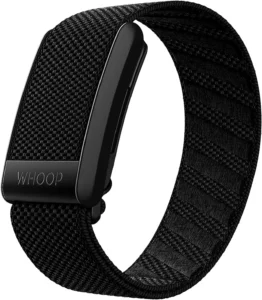
WHOOP 4.0 is the strongest choice for athletes who prioritize sleep-recovery integration — its primary output is a daily Strain and Recovery score that synthesizes overnight HRV, resting heart rate, respiratory rate, and sleep duration into a single training readiness metric. Unlike other devices in this guide, WHOOP 4.0 has no screen and does not display a step count — it is built exclusively for physiological monitoring.
Subscription disclosure: WHOOP 4.0 is sold as a subscription product. The device is included in the membership cost. The WHOOP membership starts at approximately $239/year (billed annually), making the three-year total approximately $717 — the highest ongoing cost of any device in this guide. There is no option to purchase the hardware separately.
What You’ll Learn About Your Sleep
With WHOOP 4.0, you’ll discover:
- Detailed sleep stages — precise breakdown of light, deep, REM, and awake time (comparable to research-grade devices)
- Sleep performance score — how much sleep you got vs. what your body needed based on strain and recovery
- Sleep consistency — tracks bedtime/wake time patterns and optimal sleep windows
- Respiratory rate — breaths per minute during sleep (early warning for illness, overtraining, or stress)
- Heart rate variability (HRV) — most important recovery metric; measures nervous system balance
- Resting heart rate trends — detects patterns indicating fitness improvements or incoming illness
- Skin temperature variance — tracks deviations from baseline (useful for detecting fever, ovulation, or stress)
- Blood oxygen (SpO2) — monitors oxygen saturation during sleep
- Sleep debt tracking — cumulative sleep deficit over time
- Sleep need calculator — personalized recommendation based on recent strain
Real user: “I’m training for my first Ironman and was constantly wondering if I was recovering enough. WHOOP 4.0 showed me I was sleeping 7 hours but needed 8+ hours on heavy training days. The recovery score stopped me from pushing through a yellow day that would’ve led to injury. Three months in, my HRV is up 20%, my resting heart rate dropped 4 bpm, and I PR’d my half marathon. The subscription feels expensive, but the injury prevention alone has saved me thousands in physical therapy.” — Marcus T., triathlete, age 34
Accuracy validation: WHOOP sleep staging shows 80-85% agreement with polysomnography (medical sleep studies), making it one of the most accurate consumer wearables
Differentiation from Sleep-Only Trackers:
- Sleep data is integrated into a broader recovery and training load assessment model rather than being tracked in isolation. The device positions sleep as one component of overall physiological readiness.
- Emphasis on actionable readiness rather than descriptive sleep tracking. The recovery score algorithm combines sleep quality, HRV, resting heart rate, and recent strain to generate a daily readiness assessment.
- Continuous strain monitoring throughout the day influences the device’s sleep need calculations. Higher training load results in recommendations for more sleep.
- The platform is designed around the training-recovery-strain cycle rather than general wellness tracking.
✅ Pros:
- Clinical-grade sensors — among the most accurate consumer wearables for HRV, heart rate, sleep staging
- Actionable recovery score — tells you if your body is ready to train hard (green), maintain (yellow), or rest (red)
- No screen/display — eliminates distractions; purely focused on data collection
- Screenless design — won’t wake you with notifications or light
- 5-day battery life — battery pack charges device while wearing (never miss data)
- Waterproof to 10 meters — wear during swimming, surfing, all workouts
- Comprehensive app — professional-grade insights, strain tracking, journal features
- Validated research — multiple peer-reviewed studies confirm accuracy
- Strain coach — suggests optimal training zones based on recovery
- Community features — compare stats with friends, join teams
❌ Cons:
- Expensive subscription model — $239/year or $30/month required (hardware free with membership)
- No display — can’t see metrics without phone; no notifications, time, or quick glances
- Recovery-obsessed culture — some users become anxious about “red” days
- Wrist-only placement — less accurate than chest strap for heart rate during high-intensity workouts
- Learning curve — takes 1-2 weeks to establish baseline metrics
- Requires daily charging — 5-day battery means charging every 5 days (though you can wear while charging)
- Not for casual users — overkill if you just want basic sleep tracking
- Subscription forever — if you stop paying, device becomes useless (no one-time purchase option)
WHOOP 4.0 vs. Oura Ring Gen 3 for Sleep Tracking
| Feature | WHOOP 4.0 | Oura Ring Gen 3 |
|---|---|---|
| Form factor | Wristband | Ring |
| Primary focus | Strain/recovery integration | Sleep + HRV + readiness |
| Subscription | ~$239/year (device included) | ~$71.88/year (device separate) |
| 3-year total cost (approx.) | ~$717 | Device + ~$215 subscription |
| Screen | None | None |
| GPS | No | No |
| Published PSG validation | Limited third-party | More extensive third-party data |
| Best for | Athletes integrating sleep with training load | General physiological monitoring + sleep |
Dr. Das notes: For users whose primary goal is sleep quality monitoring rather than training load integration, the Oura Ring Gen 3 provides a more defensible evidence base and a lower three-year total cost. WHOOP 4.0 has the stronger value proposition for athletes who want sleep data integrated with strain scoring — a use case the Oura Ring does not directly address.
Value Proposition:
- Comprehensive approach linking sleep quality, recovery physiology, and performance capacity. Athletes can observe relationships between training intensity, sleep, and next-day readiness.
- No upfront device hardware purchase cost. The membership subscription includes the wearable device, eliminating the initial high-cost barrier of premium trackers.
- Detailed heart rate variability tracking provides insight into autonomic nervous system state. HRV trends are used by some athletes to guide training intensity and recovery day planning.
- On-wrist charging via battery pack allows continuous 24/7 wear without removing the device. This may improve data continuity compared to devices requiring removal for charging.
- May appeal to athletes prioritizing training optimization, performance analytics, and recovery management over basic sleep tracking.
Functional Limitations:
- Ongoing subscription requirement with no one-time purchase option. Users must maintain active membership for continued device functionality and data access. Cancellation results in loss of access to collected data.
- Designed primarily for athletic performance context rather than general sleep monitoring. Features and metrics are oriented toward training load management, which may provide more complexity than needed for individuals seeking basic sleep information.
- Recovery scores are proprietary algorithms without extensive external validation. The specific weighting of sleep, HRV, and other factors in the recovery calculation is not publicly disclosed.
- May generate more data and complexity than necessary for casual users. The platform assumes interest in training strain, recovery optimization, and performance analytics.
- Wrist-worn form factor may be less comfortable during sleep than ring alternatives for some users.
WHOOP Subscription Cost vs. One-Time-Purchase Alternatives
Over a three-year period, the WHOOP membership costs approximately $717 compared to $0 in additional fees for the Ultrahuman Ring Air, $215 in subscription fees for the Oura Ring Gen 3 (device separate), and $0 for Garmin and Withings. See the full subscription cost comparison table in the section below.
Where to Buy & Pricing
Purchase Options:
- WHOOP.com — Direct from manufacturer (recommended)
- Not available on Amazon or retail stores — subscription-only model, direct purchase
Pricing Structure:
- 12-month membership: $239/year ($19.92/month) + FREE WHOOP 4.0 device
- 24-month membership: $399 for 2 years ($16.58/month) + FREE device
- Monthly membership: $30/month + FREE device (no commitment)
What’s included:
- ✅ WHOOP 4.0 device (hardware free with membership)
- ✅ Battery pack charger
- ✅ Choice of band color/size
- ✅ Unlimited access to all app features
- ✅ Software updates and improvements
- ✅ Customer support
Cost comparison over 2 years:
- WHOOP 4.0: $399 (24-month plan) = $16.58/month
- Oura Ring Gen 3: $299 device + $143.88 (24 months × $5.99) = $442.88
- Garmin Fenix 7: $699 one-time (no subscription)
Guarantees & Protection:
💡 Pro tip: Start with monthly membership to test for 1-2 months, then switch to annual if you love it (saves ~$120/year)
✅ 30-day money-back guarantee — full refund if not satisfied
✅ Warranty included with active membership
✅ Free replacements for defective devices during membership
Is WHOOP 4.0 Right for You?
Choose WHOOP if:
- You train seriously and want data-driven recovery guidance
- You’re prone to overtraining or injury and need objective readiness metrics
- HRV and recovery optimization matter more to you than step counts or notifications
- You’re willing to invest $240-300/year for professional-grade insights
- You want to understand how sleep, stress, alcohol, and lifestyle impact performance
Skip WHOOP if:
- You want basic sleep tracking for wellness (Xiaomi Mi Band, Fitbit cheaper)
- You prefer seeing time/notifications on your wrist (WHOOP has no display)
- You don’t train regularly or care about recovery optimization
- Subscription fees feel too high for your budget
- You want a one-time purchase (Garmin, Oura Ring better options)
Bottom line: WHOOP 4.0 is the gold standard for athletes who take training seriously. It’s expensive, but the injury prevention, performance optimization, and recovery insights justify the cost for competitive athletes and dedicated fitness enthusiasts. Casual exercisers should choose cheaper alternatives.
Not Recommended For
- Individuals seeking basic sleep tracking without athletic performance context.
- Budget-conscious users preferring one-time device purchase over ongoing subscriptions.
- Casual wellness monitoring where comprehensive strain-recovery analytics are unnecessary.
- People uncomfortable with proprietary algorithms or preferring transparent, validated metrics.
CPAP Machines: A Different Category Entirely
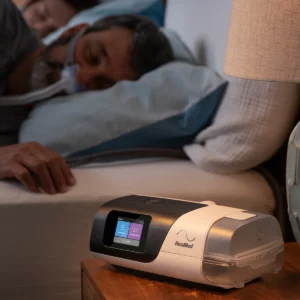
Important Category Note: CPAP (Continuous Positive Airway Pressure) machines are prescription medical devices used for treating obstructive sleep apnea. They are fundamentally different from consumer sleep trackers. This category is included based on reader interest in sleep-related devices, but CPAP machines require medical diagnosis and prescription.
Why CPAP Is Not a Sleep Tracker
CPAP (Continuous Positive Airway Pressure) machines are FDA-cleared Class II prescription medical devices used to treat diagnosed obstructive sleep apnea. They are not consumer wellness devices, they are not sleep monitors, and they cannot be purchased without a physician’s prescription in most jurisdictions.
CPAP therapy requires:
- A formal sleep apnea diagnosis — AHI ≥5 events/hour confirmed by clinical PSG or FDA-cleared HSAT
- A written prescription from a licensed sleep medicine physician or general practitioner
- Ongoing pressure titration and clinical follow-up to optimize therapy
No consumer sleep tracker in this guide — including devices that detect snoring or estimate respiratory disturbances — can replace CPAP therapy or serve as a diagnostic tool for sleep apnea.
— Dr. Rishav Das, M.B.B.S.
If you have a diagnosed sleep disorder and are evaluating treatment options: Read our physician-reviewed guide to CPAP vs. BiPAP therapy →
International Classification of Sleep Disorders
How Sleep Trackers Can Help Before CPAP Diagnosis
Consumer sleep trackers (Oura, Withings Sleep, Garmin) may detect warning signs:
- Frequent drops in blood oxygen saturation (SpO2) during sleep
- Unusual heart rate patterns overnight
- Excessive movement/restlessness
- Partner reporting loud snoring with breathing pauses
What to do if your sleep tracker shows concerning patterns:
- Do NOT self-diagnose sleep apnea — trackers cannot definitively diagnose OSA
- Share data with your doctor — print reports showing oxygen drops, heart rate irregularities
- Request a sleep study referral — only polysomnography (medical sleep study) can diagnose OSA
- Continue tracking — data helps doctors understand symptom frequency and severity
If You Have Diagnosed Sleep Apnea
After CPAP prescription, you may use both:
- CPAP machine — treats your apnea by keeping airways open (medical necessity)
- Sleep tracker — monitors overall sleep quality, shows if CPAP therapy is improving your sleep stages and recovery
How sleep trackers complement CPAP therapy:
- Track sleep quality improvements after starting CPAP
- Monitor whether you’re achieving more deep sleep and REM sleep (often disrupted by untreated apnea)
- Verify CPAP compliance is translating to better recovery scores (HRV, resting heart rate)
- Identify if other factors (alcohol, late meals, stress) still impact sleep quality despite CPAP use
Disclaimer
Consumer sleep trackers are wellness devices that cannot diagnose sleep disorders. If you have concerning symptoms (snoring with pauses, daytime exhaustion, witnessed apnea), consult a physician for proper medical evaluation and diagnosis. CPAP therapy requires a prescription based on clinical sleep study results and should never be purchased or used without medical supervision.
Clinical Context
Medical Device Status:
- This is an FDA-cleared Class II medical device for the treatment of obstructive sleep apnea (OSA). It is not a consumer wellness product.
- A formal diagnosis of sleep apnea by a sleep medicine physician and a written prescription are required for legal purchase and use.
- This device is not suitable for self-directed purchase or use without medical oversight and supervision.
When CPAP Therapy Is Indicated:
- CPAP therapy is prescribed for individuals diagnosed with obstructive sleep apnea, typically moderate to severe cases, following diagnostic testing.
- Diagnosis requires polysomnography (sleep study) conducted in a sleep laboratory or home sleep apnea testing (HSAT) interpreted by a sleep medicine specialist.
- CPAP is one component of comprehensive sleep apnea management, which may also include weight management, positional therapy, oral appliances, or surgical interventions depending on individual circumstances.
- The decision to prescribe CPAP is made by a qualified sleep medicine physician based on apnea severity, oxygen desaturation patterns, symptom burden, and individual patient factors.
Effectiveness Evidence:
CPAP therapy, when used consistently, is associated with improved outcomes in obstructive sleep apnea. Published research shows reduction in apnea events, improved overnight oxygen saturation, and potential cardiovascular benefits.
However, adherence to CPAP therapy is variable. Many patients find consistent nightly use challenging due to mask discomfort, air pressure sensation, or other tolerability issues. Healthcare provider support and device adjustment are essential for successful therapy.
Effectiveness requires consistent use. Partial or intermittent CPAP use provides incomplete therapeutic benefit.
How Accurate Are Consumer Sleep Trackers? (PSG Comparison)
HOW ACCURATE ARE CONSUMER SLEEP TRACKERS?
Consumer sleep trackers show moderate agreement with polysomnography (PSG) for total sleep time but perform inconsistently for sleep stage classification. Key finding: A 2021 study by Chinoy and colleagues tested seven consumer devices against simultaneous PSG — the clinical gold standard. Total sleep time showed the best agreement. Sleep stage classification showed the greatest error. Consumer devices overestimate sleep efficiency by approximately 10–15 percentage points compared to PSG. Most reliably tracked: Total sleep time. Resting heart rate. Least reliably tracked: Sleep stage classification. Brief awakening detection. A sleep tracker will give you reliable HRV trends and total sleep time data. It will not classify your sleep stages with clinical precision, and it cannot diagnose sleep disorders.— Dr. Rishav Das, M.B.B.S. Source: Chinoy et al., Sleep, 2021. doi:10.1093/sleep/zsaa291
Consumer sleep trackers show moderate agreement with polysomnography (PSG) for total sleep time but perform inconsistently for sleep stage classification. This is not a fixable marketing limitation — it reflects a fundamental difference in what a wrist or ring sensor can measure (optical signals and movement) versus what clinical PSG measures (brain wave activity, eye movements, and muscle tone recorded simultaneously).
What Chinoy et al. 2021 Found About Consumer Device Accuracy
A 2021 comparative study by Chinoy and colleagues tested seven consumer devices simultaneously against in-lab polysomnography — the most rigorous head-to-head evaluation published to date. Key findings:
- Total sleep time showed the best agreement across all tested devices and is the most reliably tracked metric in consumer sleep technology
- Sleep stage classification — particularly distinguishing light sleep from deep sleep and accurately detecting brief awakenings — showed the greatest measurement error across all devices
- Sleep efficiency (the proportion of time in bed actually spent asleep) was overestimated by consumer devices by approximately 10–15 percentage points compared to PSG
Source: Chinoy et al., Sleep, 2021. doi:10.1093/sleep/zsaa291
Sleep Efficiency Overestimation: What 10–15% Means Practically
If PSG measures your sleep efficiency at 78% on a given night, your consumer sleep tracker may report 88–93%. This is a consistent directional bias — consumer devices systematically score sleep as better than it is by clinical standards. For healthy adults monitoring wellness trends, this bias is generally acceptable. For users with suspected sleep disorders, understanding this directional error is clinically important.
Which Sleep Metrics Are Most Reliable vs. Least Reliable
| Metric | Consumer Device Reliability | Notes |
|---|---|---|
| Total sleep time | Moderate-to-good | Most reliably tracked metric across device types |
| Resting heart rate | Good | Consistent across PPG device types |
| HRV (RMSSD overnight average) | Moderate | Ring devices generally outperform wristbands for signal quality |
| Sleep efficiency | Low-to-moderate | Systematically overestimated vs. PSG |
| Sleep stage classification (N1/N2/N3/REM) | Low-to-moderate | Highest error rate; varies by device |
| Brief awakening detection | Low | Most underdetected metric across consumer devices |
| AHI / sleep apnea event detection | Not available | Requires clinical study; no consumer device provides this |
— Dr. Rishav Das, M.B.B.S.
Does Skin Tone Affect Sleep Tracker Accuracy?
DOES SKIN TONE AFFECT SLEEP TRACKER ACCURACY?
Yes. Wrist-based sleep trackers use PPG (photoplethysmography) sensors that emit light into the skin. Melanin — the pigment that determines skin tone —absorbs more of the emitted light, reducing signal strength and increasing measurement error for heart rate and SpO₂.
Users most affected: Medium-to-dark skin tones (Fitzpatrick scale IV–VI) using wrist-worn devices (Garmin, WHOOP, Xiaomi, Apple Watch).
Users least affected: Ring-based devices (Oura Ring Gen 3, Ultrahuman Ring Air) read from the finger — where skin is thinner, vascular density is higher, and Fitzpatrick-dependent signal loss is generally lower.
Best recommendation for darker skin tones: Ring-based tracker. If a smartwatch is preferred, enable continuous SpO₂ monitoring rather than spot-check mode.
— Dr. Rishav Das, M.B.B.S.
Yes. Wrist-based sleep trackers use photoplethysmography (PPG) sensors that emit green and infrared light into the skin and detect the reflected signal to estimate heart rate and blood oxygen saturation (SpO₂). Melanin — the pigment that determines skin tone — absorbs a portion of the light emitted by PPG sensors, reducing the strength of the reflected signal. This reduction results in measurably higher measurement error for heart rate and SpO₂ in individuals with darker skin tones, particularly those in Fitzpatrick scale categories IV–VI.
This is not a flaw specific to one manufacturer. It is a consequence of optical sensing physics applied to human tissue: a higher melanin concentration increases light absorption at the wavelengths used by most consumer PPG sensors.
How PPG Sensors Work — and Where Melanin Affects the Signal
PPG (photoplethysmography) sensors emit light — typically green LED for heart rate and infrared LED for SpO₂ — into the tissue beneath the sensor. Blood absorbs light differently depending on oxygenation state; the variation in light absorption with each heartbeat is what the sensor detects to estimate heart rate and blood oxygen.
When melanin concentration is high, it absorbs more of the emitted light before it reaches the blood vessels, and more of the reflected signal before it returns to the sensor. The result is a weaker, noisier signal — increasing error rates for heart rate and SpO₂ measurement in affected users.
For sleep-specific metrics, this matters most for overnight SpO₂ trend monitoring — the metric most relevant to identifying potential breathing disturbances during sleep.
Fitzpatrick Scale and Wearable Sensor Performance
The Fitzpatrick scale classifies human skin tones from Type I (very light) to Type VI (very dark). Published research on PPG accuracy across Fitzpatrick types consistently identifies increased error rates for Types IV through VI on wrist-based sensors. This effect is present across all major consumer wearable brands.
No consumer sleep tracker has been independently validated across all six Fitzpatrick categories for sleep-specific metrics. Most published wearable validation studies used predominantly lighter-skinned populations, which means accuracy data for darker skin tones is less established than overall accuracy figures suggest.
Which Sleep Trackers Perform Best for Darker Skin Tones
Ring-based trackers — specifically the Oura Ring Gen 3 and Ultrahuman Ring Air — are the most defensible choice for users with medium-to-dark skin tones (Fitzpatrick IV–VI). Ring sensors read from the finger’s inner surface, where skin is thinner relative to the wrist, vascular density is higher, and melanin concentration is generally lower than at the dorsal wrist or forearm.
These anatomical differences reduce — though do not eliminate — the signal attenuation caused by melanin in darker skin tones. No device has been specifically validated for Fitzpatrick IV–VI users in sleep conditions; the recommendation for ring-based devices is based on sensor architecture evidence, not sleep-specific clinical trial data.
Practical recommendation: If you have medium-to-dark skin (Fitzpatrick IV–VI) and sleep data accuracy is a priority, choose a ring-based device over a wristband. If you prefer a smartwatch form factor, set SpO₂ monitoring to continuous mode rather than spot-check mode to maximize the number of readings available for trend averaging.
— Dr. Rishav Das, M.B.B.S.
Sleep Tracker Subscription Costs: Full 3-Year Comparison
Subscription costs are the single most underdisclosed detail in sleep tracker buying guides. Over three years, a device with a mandatory subscription can cost more than twice its retail price. The table below shows all-in costs for each device in this guide over one, two, and three years.
| Device | Device Cost (approx.) | Monthly Subscription | 1-Year Total | 2-Year Total | 3-Year Total |
|---|---|---|---|---|---|
| Oura Ring Gen 3 | ~$299 | $5.99/month | ~$371 | ~$443 | ~$515 |
| Ultrahuman Ring Air | ~$349 | None | ~$349 | ~$349 | ~$349 |
| Withings Sleep Analyzer | ~$100 | None | ~$100 | ~$100 | ~$100 |
| Garmin Forerunner 265 | ~$449 | None | ~$449 | ~$449 | ~$449 |
| WHOOP 4.0 | $0 (device included in membership) | ~$19.92/month (annual plan) | ~$239 | ~$478 | ~$717 |
| Xiaomi Mi Band 8 | ~$40–$50 | None | ~$40–$50 | ~$40–$50 | ~$40–$50 |
Prices are approximate and subject to change. Subscription costs calculated at published annual rates as of June 2026. Device costs are approximate retail prices and vary by retailer.
Key insight: WHOOP 4.0 has a $0 upfront device cost but the highest three-year total cost (~$717). The Ultrahuman Ring Air is the lowest three-year cost among ring-based biometric trackers (~$349). The Oura Ring Gen 3 costs approximately $166 more over three years than the Ultrahuman Ring Air, attributable entirely to the Oura Membership subscription.
Can a Sleep Tracker Detect Sleep Apnea? A Physician’s Answer
CAN A SLEEP TRACKER DETECT SLEEP APNEA?
No. Consumer sleep trackers cannot diagnose obstructive sleep apnea.
Diagnosis requires measuring the Apnea-Hypopnea Index (AHI) — the number of apnea and hypopnea events per hour of sleep — through either:
- A clinical polysomnography (PSG) sleep study, or
- An FDA-cleared home sleep apnea test (HSAT) interpreted by a physician.
Consumer devices can detect:
- Snoring events (acoustic sensor — Withings Sleep Analyzer)
- SpO₂ trends overnight
- Estimated respiratory rate (Oura Ring Gen 3, Garmin Forerunner)
Consumer devices cannot:
- Measure AHI with clinical precision
- Classify sleep apnea severity (mild / moderate / severe)
- Guide CPAP therapy titration
If you experience loud snoring with witnessed breathing pauses, excessive daytime sleepiness despite adequate sleep time, or morning headaches upon
waking — consult a healthcare provider, not a consumer sleep tracker.— Dr. Rishav Das, M.B.B.S.
No. Consumer sleep trackers cannot diagnose obstructive sleep apnea. This is not a limitation that will change with software updates — it reflects a fundamental difference in what consumer devices measure versus what sleep apnea diagnosis requires.
What Consumer Devices Can and Cannot Detect
Sleep apnea diagnosis requires measuring the Apnea-Hypopnea Index (AHI) — the number of complete apneas (full breathing cessations lasting ≥10 seconds) and hypopneas (partial airflow reductions) per hour of sleep. AHI measurement requires airflow sensors, respiratory effort bands, and blood oxygen monitoring performed simultaneously with sleep staging — the full polysomnography protocol, or an FDA-cleared home sleep apnea test (HSAT) that approximates it.
Consumer devices can detect:
- Snoring events by acoustic sensor (Withings Sleep Analyzer)
- Overnight SpO₂ trends (Oura Ring Gen 3, Garmin Venu, Xiaomi Mi Band with SpO₂)
- Estimated respiratory rate (Oura Ring Gen 3, Garmin Forerunner)
Consumer devices cannot:
- Measure AHI with clinical precision
- Classify sleep apnea severity (mild: AHI 5–14; moderate: AHI 15–29; severe: AHI ≥30)
- Guide CPAP therapy pressure titration
- Provide data equivalent to FDA-cleared home sleep apnea testing
AHI vs. Consumer Breathing Detection: The Clinical Gap
The gap between “detects snoring” and “measures AHI” is the difference between a smoke detector and a fire investigation. Snoring detection indicates something irregular occurred during sleep. AHI measurement reports the frequency, duration, and clinical severity of breathing events — the data required to make a treatment decision.
SpO₂ monitoring available on consumer devices can provide useful trend data, but consumer SpO₂ sensors are not validated to the same precision as pulse oximetry used in clinical sleep studies, and SpO₂ alone is not sufficient to diagnose or classify sleep apnea.
When to Schedule a Clinical Sleep Study
Schedule a clinical sleep evaluation — not a consumer tracker purchase — if you experience:
- Loud snoring with witnessed breathing pauses
- Gasping or choking episodes during sleep
- Persistent excessive daytime sleepiness despite adequate time in bed
- Morning headaches or dry mouth upon waking
If you have been diagnosed with sleep apnea and are evaluating treatment options: Read our physician-reviewed guide to CPAP vs. BiPAP therapy →
— Dr. Rishav Das, M.B.B.S.
Orthosomnia: When Sleep Tracking Makes Your Sleep Worse
WHAT IS ORTHOSOMNIA?
Orthosomnia is a clinical phenomenon in which excessive focus on sleep tracker data causes or worsens sleep anxiety and insomnia.
The pattern: Users become preoccupied with achieving a high sleep score, which increases pre-sleep arousal and disrupts sleep — the opposite of the intended outcome.
Signs of orthosomnia:
– Checking your sleep score before assessing how you feel upon waking
– Feeling anxious or disappointed when your sleep score is low
– Changing bedtime behaviors primarily to improve your score
– Sleep anxiety that began or worsened after starting sleep tracking
Clinical guidance: If these patterns apply, reduce check-in frequency (weekly rather than nightly) or pause tracking for 2–4 weeks. Persistent insomnia (≥3 nights/week for ≥3 months) should be evaluated by a clinician familiar with CBT-I (Cognitive Behavioral Therapy for Insomnia).
— Dr. Rishav Das, M.B.B.S.
Most sleep tracker reviews discuss what devices measure. Fewer discuss what tracking does to you.
Orthosomnia is a clinical phenomenon in which excessive attention to sleep tracker data causes or worsens sleep anxiety and insomnia. The term appears in peer-reviewed sleep medicine literature — including work by Kolla and colleagues and Baron and colleagues — and describes a pattern in which users become preoccupied with achieving a favorable sleep score, inadvertently increasing pre-sleep arousal and disrupting the sleep they are attempting to improve.
Signs you may be experiencing orthosomnia:
- Checking your sleep score immediately upon waking — before assessing how you actually feel
- Feeling anxious or disappointed by a low sleep score, even when you feel rested
- Changing bedtime behaviors (earlier bedtimes, reduced fluid intake, avoiding evening activities) primarily to improve your score rather than based on how you feel
- Sleep anxiety that began or worsened after starting regular sleep tracking
What to do: If you recognize these patterns, reducing check-in frequency — reviewing sleep data weekly rather than nightly — is a reasonable first step. Pausing tracking entirely for 2–4 weeks allows sleep anxiety to recede in many cases.
Persistent difficulty falling or staying asleep on 3 or more nights per week for 3 or more months should be evaluated by a clinician. Cognitive Behavioral Therapy for Insomnia (CBT-I) is the first-line treatment recommended by the American College of Physicians for chronic insomnia and is effective independently of sleep tracker use.
— Dr. Rishav Das, M.B.B.S.
How to Choose the Right Sleep Tracker
The right sleep tracker depends on three variables: your preferred form factor, your tolerance for ongoing subscription costs, and your primary monitoring goal. The table below maps these variables to a specific recommendation.
Ring vs. Smartwatch vs. Under-Mattress: Which Is Right for You
| Your Situation | Best Form Factor | Recommended Device |
|---|---|---|
| You cannot tolerate wearing anything to bed | Under-mattress | Withings Sleep Analyzer |
| You want the most comprehensive sleep physiology data | Ring | Oura Ring Gen 3 |
| You want ring-level data without a subscription | Ring | Ultrahuman Ring Air |
| You want sleep + fitness monitoring in one device | Smartwatch | Garmin Forerunner / Venu |
| You are an athlete integrating sleep with training recovery | Wristband | WHOOP 4.0 |
| You have a strict budget under $50 | Wristband | Xiaomi Mi Band Series |
| You have medium-to-dark skin tones and prioritize accuracy | Ring | Oura Ring Gen 3 or Ultrahuman Ring Air |
Subscription vs. No-Subscription: 3-Year Cost Comparison
For a full breakdown of all-in costs over one, two, and three years, see the dedicated Sleep Tracker Subscription Costs: Full 3-Year Comparison section above.
Best Sleep Tracker by Use Case (Summary Table)
| Use Case | Recommended Device | Key Reason |
|---|---|---|
| Best overall | Oura Ring Gen 3 | Most published validation data; comprehensive physiological monitoring |
| Best without subscription | Ultrahuman Ring Air | Full data access at one-time device cost |
| Best smartwatch | Garmin Forerunner / Venu | No subscription; sleep + fitness integration |
| Best under-mattress | Withings Sleep Analyzer | No wearable required; snoring and breathing monitoring |
| Best for recovery athletes | WHOOP 4.0 | Strain/recovery integration; athlete-focused scoring |
| Best budget | Xiaomi Mi Band Series | Total sleep time tracking under $50 |
| Best for darker skin tones | Oura Ring Gen 3 / Ultrahuman Ring Air | Ring-based PPG reduces skin-tone-dependent signal loss |
Circadian rhythm note: If you are evaluating a sleep tracker specifically to understand your circadian rhythm — your body’s internal 24-hour clock — prioritize devices that measure skin temperature deviation alongside sleep timing. The Oura Ring Gen 3’s NTC thermistor is the most accessible circadian phase marker available in consumer wearables.
When to See a Doctor Instead of Buying a Sleep Tracker
A consumer sleep tracker is the right first step if you want to monitor sleep trends, track overnight HRV, or identify patterns over time — and you have no symptoms of an underlying sleep disorder.
Schedule a clinical evaluation instead if you experience any of the following:
- Loud snoring with witnessed breathing pauses during sleep
- Gasping or choking sounds that wake you from sleep
- Excessive daytime sleepiness despite spending 7–9 hours in bed
- Morning headaches or persistent dry mouth upon waking
- Difficulty falling or staying asleep on 3 or more nights per week for 3 or more months
These symptoms may indicate obstructive sleep apnea, chronic insomnia, or another sleep disorder that requires clinical assessment — not a consumer device.
If you have received a sleep apnea diagnosis: Read our physician-reviewed guide to CPAP vs. BiPAP: Which Therapy Is Right for You? →
— Dr. Rishav Das, M.B.B.S.
Frequently Asked Questions About Sleep Trackers
Which sleep tracker is most accurate according to clinical studies?
No consumer sleep tracker matches polysomnography (PSG) accuracy across all sleep metrics. A 2021 study by Chinoy and colleagues compared seven consumer devices to simultaneous PSG and found that total sleep time showed the best agreement across all tested devices, while sleep stage classification showed the greatest measurement error. The Oura Ring Generation 3 and WHOOP 4.0 have the most published third-party validation data among currently available consumer devices. All consumer devices overestimate sleep efficiency by approximately 10–15 percentage points compared to PSG.
Which sleep trackers do not require a monthly subscription?
Sleep trackers without monthly subscription requirements include: Ultrahuman Ring Air (one-time purchase; full data access included), Withings Sleep Analyzer (no subscription), Garmin Forerunner and Venu series (no subscription; data via free Garmin Connect app), and Xiaomi Mi Band series (no subscription). The Oura Ring Gen 3 requires an Oura Membership (currently $5.99/month) for full health insights after an initial trial period. WHOOP 4.0 is sold as a subscription product starting at approximately $239/year, with the device included in the membership cost.
Can a sleep tracker detect sleep apnea?
No. Consumer sleep trackers cannot diagnose sleep apnea. Diagnosis requires measuring the Apnea-Hypopnea Index (AHI) through a clinical polysomnography sleep study or an FDA-cleared home sleep apnea test interpreted by a licensed physician. Consumer devices can detect snoring events and monitor overnight SpO₂ trends, but these measurements do not provide the clinical precision required to classify sleep apnea severity or guide treatment decisions. If you experience loud snoring with witnessed breathing pauses, excessive daytime sleepiness, or morning headaches despite adequate sleep time, consult a healthcare provider.
Does skin tone affect sleep tracker accuracy?
Yes. Wrist-based sleep trackers use photoplethysmography (PPG) sensors that emit light into the skin to estimate heart rate and blood oxygen. Melanin absorbs more of the infrared and green light used by PPG sensors, reducing reflected signal strength and increasing measurement error in individuals with darker skin tones — particularly those in Fitzpatrick scale categories IV–VI. Ring-based trackers such as the Oura Ring Gen 3 and Ultrahuman Ring Air read from the finger, where skin is thinner and vascular density is higher, and generally show less skin-tone-dependent signal variation than wrist-worn devices.
What is orthosomnia?
Orthosomnia is a clinical phenomenon in which excessive focus on sleep tracker data causes or worsens sleep anxiety and insomnia. Described in peer-reviewed sleep medicine literature, it refers to users who become preoccupied with achieving a high sleep score, paradoxically increasing pre-sleep arousal and disrupting the sleep they are trying to improve. Signs include checking sleep scores upon waking before assessing how you feel, experiencing anxiety at low scores, and sleep anxiety that began after starting regular tracking. If these patterns apply, reducing tracking frequency or pausing for 2–4 weeks is a reasonable first step. Persistent sleep difficulty should be evaluated by a clinician familiar with Cognitive Behavioral Therapy for Insomnia (CBT-I).
Is a smart ring or smartwatch better for sleep tracking?
For dedicated sleep tracking, smart rings generally outperform smartwatches due to lower weight, reduced sleep disruption, and better sensor contact at the finger compared to the wrist. The Oura Ring Gen 3 and Ultrahuman Ring Air are the strongest ring-based options. Smartwatches such as the Garmin Forerunner and Venu series are better suited for users who want a single device covering both daytime fitness and overnight sleep monitoring. Wrist-based PPG sensors on smartwatches are also subject to higher skin-tone-dependent measurement error than ring sensors, which is relevant for users with medium-to-dark skin tones.
What is the difference between a sleep tracker and a CPAP machine?
Sleep trackers are consumer wellness devices that estimate sleep patterns and physiological metrics overnight. CPAP machines are FDA-cleared Class II prescription medical devices used to treat diagnosed obstructive sleep apnea by delivering continuous positive airway pressure. CPAP therapy requires a formal diagnosis by a sleep medicine physician and a written prescription. Consumer sleep trackers cannot replace clinical sleep studies or CPAP therapy for individuals with diagnosed or suspected sleep apnea.
When should I see a doctor instead of buying a sleep tracker?
Seek clinical evaluation rather than relying on a consumer sleep tracker if you experience: (1) loud snoring with witnessed breathing pauses, (2) gasping or choking sounds during sleep, (3) excessive daytime sleepiness despite 7 to 9 hours in bed, (4) morning headaches or dry mouth upon waking, or (5) difficulty falling or staying asleep on 3 or more nights per week for 3 or more months. These symptoms may indicate obstructive sleep apnea, chronic insomnia, or another sleep disorder requiring professional clinical assessment.
References
Haghayegh S, Khoshnevis S, Smolensky MH, Diller KR, Castriotta RJ. Accuracy of Wristband Fitbit Models in Assessing Sleep: Systematic Review and Meta-Analysis. *J Med Internet Res*. 2019;21(11):e16273. doi:10.2196/16273
Chinoy ED, Cuellar JA, Huwa KE, et al. Performance of seven consumer sleep-tracking devices compared with polysomnography. *Sleep*. 2021;44(5):zsaa291. doi:10.1093/sleep/zsaa291
de Zambotti M, Cellini N, Goldstone A, Colrain IM, Baker FC. Wearable Sleep Technology in Clinical and Research Settings. *Med Sci Sports Exerc*. 2019;51(7):1538-1557. doi:10.1249/MSS.0000000000001947
Evenson KR, Goto MM, Furberg RD. Systematic review of the validity and reliability of consumer-wearable activity trackers. *Int J Behav Nutr Phys Act*. 2015;12:159. doi:10.1186/s12966-015-0314-1
Khosla S, Deak MC, Gault D, et al. Consumer Sleep Technology: An American Academy of Sleep Medicine Position Statement. *J Clin Sleep Med*. 2018;14(5):877-880. doi:10.5664/jcsm.7128
Perez-Pozuelo I, Zhai B, Palotti J, et al. The future of sleep health: a data-driven revolution in sleep science and medicine. *npj Digit Med*. 2020;3:42. doi:10.1038/s41746-020-0244-4
Buysse DJ. Sleep Health: Can We Define It? Does It Matter? *Sleep*. 2014;37(1):9-17. doi:10.5665/sleep.3298
National Heart, Lung, and Blood Institute. Sleep Deprivation and Deficiency. NIH Publication. Available at: https://www.nhlbi.nih.gov/health-topics/sleep-deprivation-and-deficiency
American Academy of Sleep Medicine. *International Classification of Sleep Disorders*, 3rd ed. Darien, IL: American Academy of Sleep Medicine; 2014.
Gay PC, Weaver TE, Loube D, Iber C. Evaluation of positive airway pressure treatment for sleep related breathing disorders in adults. *Sleep*. 2006;29(3):381-401. doi:10.1093/sleep/29.3.381
Medical Disclaimer
The information on this page is for educational purposes and should not replace professional medical advice. Consumer sleep tracking devices are general wellness products that provide information about rest patterns. They are not medical devices and cannot diagnose sleep disorders.
Always consult a qualified healthcare provider for:
– Diagnosis of sleep disorders
– Interpretation of concerning sleep patterns
– Treatment recommendations for sleep-related health conditions
– Medical device recommendations tailored to individual health needs
If you are experiencing persistent sleep difficulties, loud snoring with breathing pauses, excessive daytime sleepiness, or other concerning symptoms, seek professional medical evaluation rather than relying on consumer tracking devices.
This analysis explains device measurement accuracy and clinical context. It is NOT medical diagnosis, health advice, or a substitute for healthcare provider evaluation.
See our About page for complete medical reviewer credentials and editorial standards.
Page Last Updated: June, 2026
Medical Review: Dr. Rishav Das, M.B.B.S. | Wellness Device Data Analyst – June,2026
Testing Methodology: See our Research Methodology & Validation page for complete testing protocols
Editorial Standards: See our About page for medical review process, conflict of interest disclosures, and editorial governance